

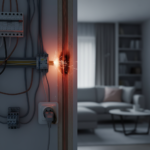
Electricity is something most homeowners rely on every day without thinking twice. From lighting and heating to charging phones and running appliances, modern homes depend heavily on safe and stable electrical systems. However, when electrical problems appear, many people ignore them until they turn into serious and expensive issues. In the United States, thousands of house fires and injuries occur every year due to electrical faults that could have been prevented.
Understanding the most dangerous electrical problems — and knowing when to act — can protect your home, your family, and your finances. Below are the most common electrical issues you should never ignore at home.
Old or Overloaded Electrical Panels
Modern homes use far more electricity than homes did 30 or 40 years ago. Older electrical panels may not be able to handle today’s demand.
Signs of panel problems include:
Breakers constantly tripping
Buzzing sounds
Rust or visible damage
Upgrading your electrical panel improves safety and supports modern appliances and smart home devices.
When to Call a Professional Electrician
Electrical work is not a DIY project. Attempting repairs without proper training can cause serious injury or damage. Always contact a licensed electrician if you notice recurring electrical problems.
Professional electricians can:
Diagnose hidden wiring issues
Ensure code compliance
Prevent fires and system failures
Final Thoughts
Electrical problems rarely fix themselves. Ignoring warning signs can turn minor issues into dangerous emergencies. Paying attention to these electrical problems — and acting early — protects your home, your loved ones, and your investment.
A safe electrical system provides peace of mind, reliability, and long-term savings. If something doesn’t seem right, trust your instincts and get professional help.
Frequent Circuit Breaker Trips
Circuit breakers are designed to protect your home by shutting off power when there is an overload or short circuit. If your breaker trips occasionally, it may not be a serious issue. But if it happens frequently, this is a strong warning sign.
Frequent tripping often means:
Your electrical system is overloaded
Faulty wiring is present
An appliance is drawing too much power
Ignoring this problem can lead to overheated wires and even electrical fires. A licensed electrician can determine whether you need new circuits, upgraded wiring, or safer electrical panels.
Flickering or Dimming Lights
Many homeowners assume flickering lights are harmless, but they are often a sign of deeper electrical problems. While a loose bulb can cause flickering, persistent dimming or flashing lights usually indicate wiring issues or overloaded circuits.
Common causes include:
Loose or damaged wiring
Poor electrical connections
Outdated electrical panels
If lights flicker when you use appliances like air conditioners or microwaves, your system may not be handling your home’s electrical demand properly.
Burning Smell or Warm Outlets
A burning smell near outlets, switches, or electrical panels should never be ignored. This smell often means wires are overheating inside the walls. In some cases, outlets may feel warm or hot to the touch.
This is extremely dangerous and could result in:
Melted wires
Electrical fires
Severe damage behind walls
If you notice burning odors or warm outlets, turn off the power immediately and contact an electrician as soon as possible.
Sparking Outlets or Switches
Sparks when plugging in or unplugging devices are a serious warning sign. Small sparks can sometimes occur, but frequent or large sparks are dangerous.
Possible causes include:
Loose wiring
Water damage
Old or worn-out outlets
Sparking can quickly lead to fires or electric shock. Replacing outlets and repairing wiring early can prevent major hazards.
Buzzing or Humming Sounds
Your electrical system should operate silently. If you hear buzzing, humming, or crackling sounds from outlets, switches, or breaker panels, something is wrong.
These sounds usually indicate:
Loose electrical connections
Faulty breakers
Failing wiring components
Loose connections create heat and increase fire risk. Professional inspection is necessary to identify and fix the source safely.
Outdated Electrical Wiring
Many older homes in the US still have outdated wiring systems that were not designed for modern electrical usage. Homes built decades ago may have aluminum wiring or insufficient grounding.
Outdated wiring can cause:
Power instability
Overheated circuits
Insurance problems
Upgrading your wiring improves safety, increases home value, and ensures your home meets modern electrical codes.
Overuse of Extension Cords
Using extension cords as permanent solutions is a common but dangerous habit. Extension cords are meant for temporary use only.
Risks include:
Overheating
Tripping hazards
Increased fire risk
If you rely on extension cords daily, it likely means your home lacks enough outlets. A qualified electrician can install additional outlets safely.
Electrical Shocks
Feeling a small shock when touching appliances, switches, or outlets is not normal. Even mild shocks indicate grounding problems or faulty wiring.
Electrical shocks can be caused by:
Improper grounding
Damaged cords
Moisture exposure
These issues pose serious risks, especially in kitchens, bathrooms, and outdoor areas.
High Energy Bills Without Explanation
Sudden increases in electricity bills without changes in usage can be a sign of electrical inefficiencies. Faulty wiring, damaged circuits, or outdated systems can waste energy.
An electrical inspection can:
Identify power leaks
Improve efficiency
Reduce monthly bills
Fixing electrical issues often saves money in the long run.
