Salt and Your Health: Benefits, Risks & How Much You Really Need
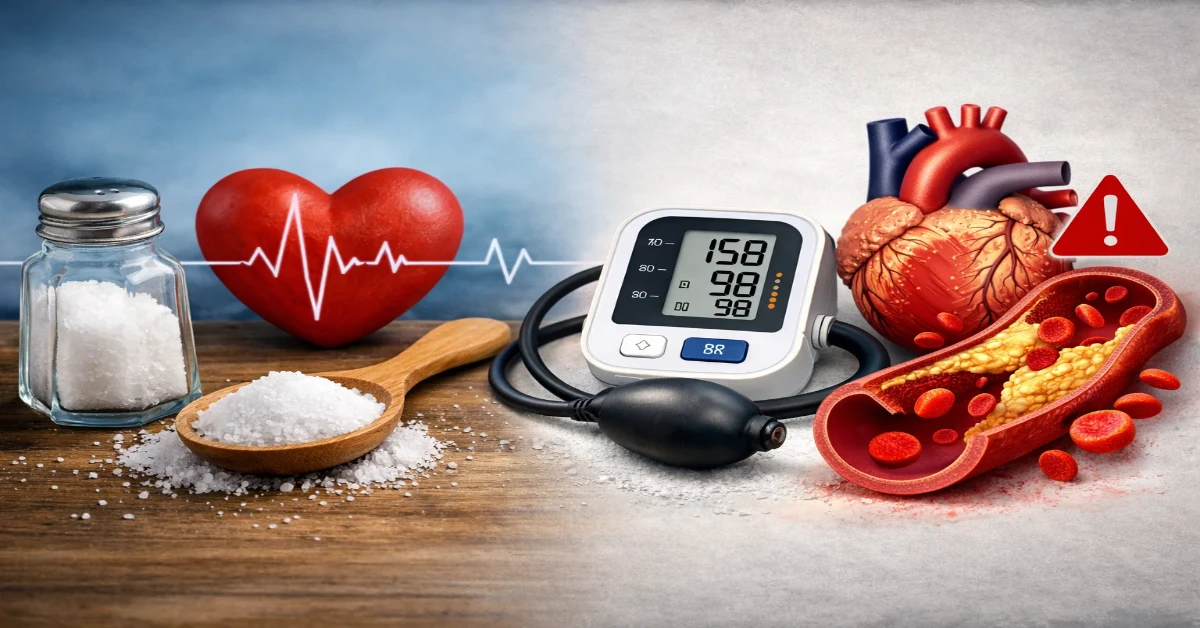
Salt is one of the most commonly used ingredients in the world. From enhancing flavor to preserving food, it plays a crucial role in our daily diets. However, the effects of salt on human health are more complex than most people realize. While the body needs a small amount of sodium to function properly, excessive intake can lead to serious health problems.
In this article, we’ll explore both the positive and negative impacts of salt, recommended intake levels, and practical ways to maintain a balanced diet.
What Is Salt and Why Does the Body Need It?
Salt, chemically known as sodium chloride (NaCl), is essential for maintaining fluid balance, nerve function, and muscle contractions. Sodium helps regulate blood pressure and supports the proper functioning of cells.
The human body requires only a small amount of sodium daily—about 1500 mg for most adults. However, many people consume far more than this amount, often without realizing it.
If you’re tracking your sodium intake and need to convert measurements between grams and milligrams, you can use this helpful tool:
👉 https://fast-convert.net/weight-converter
Health Benefits of Salt (When Consumed in Moderation)
Despite its negative reputation, salt does have important health benefits when consumed in appropriate amounts:
1. Maintains Fluid Balance
Sodium helps regulate the balance of fluids in the body, preventing dehydration or overhydration.
2. Supports Nerve Function
Nerve signals rely on sodium ions to transmit messages between the brain and body.
3. Muscle Function
Salt plays a role in muscle contraction, including the heartbeat.
Negative Effects of Excess Salt Consumption
While salt is essential, too much of it can be harmful. The modern diet, especially processed foods, contains high levels of sodium, leading to several health issues.
1. High Blood Pressure (Hypertension)
One of the most well-known risks is high blood pressure. Excess sodium causes the body to retain water, increasing the volume of blood and putting pressure on blood vessels.
2. Heart Disease and Stroke
Long-term high blood pressure increases the risk of heart disease and stroke, two of the leading causes of death worldwide.
3. Kidney Damage
The kidneys filter excess sodium from the body. Overconsumption puts stress on these organs and may lead to kidney disease over time.
4. Water Retention and Bloating
Eating too much salt can make you feel bloated due to fluid retention.
If you’re calculating daily intake or adjusting recipes, converting units accurately can help manage consumption:
👉 https://fast-convert.net/volume-converter
Hidden Sources of Salt in Your Diet
Many people think they only get salt from the salt shaker, but most sodium comes from processed foods, including:
- Packaged snacks (chips, crackers)
- Fast food meals
- Canned soups and vegetables
- Processed meats (sausages, deli meats)
- Sauces and dressings
Understanding food labels is essential. Sometimes sodium is listed in milligrams, grams, or percentages, so using conversion tools can be helpful:
👉 https://fast-convert.net/percentage-calculator
Recommended Daily Salt Intake
Health organizations such as the World Health Organization (WHO) recommend limiting salt intake to less than 5 grams per day (about one teaspoon).
However, studies show that many people consume double this amount daily.
To better visualize daily limits and compare values, tools like this can be useful:
👉 https://fast-convert.net/calculator
Tips to Reduce Salt Intake
Reducing salt doesn’t mean sacrificing flavor. Here are practical tips:
1. Cook at Home
Preparing meals yourself allows you to control how much salt you use.
2. Read Food Labels
Check sodium content before buying packaged foods.
3. Use Herbs and Spices
Replace salt with natural flavor enhancers like garlic, lemon, or herbs.
4. Limit Processed Foods
Fresh foods naturally contain less sodium.
5. Gradual Reduction
Your taste buds adjust over time, so reduce salt slowly.
Salt Sensitivity: Why It Affects People Differently
Not everyone reacts to salt the same way. Some individuals are more sensitive to sodium and experience higher increases in blood pressure. Factors include:
- Age
- Genetics
- Existing health conditions
- Lifestyle habits
Monitoring your intake and adjusting accordingly is essential for maintaining good health.
Is All Salt the Same?
You may have heard of different types of salt, such as:
- Table salt
- Sea salt
- Himalayan pink salt
While these vary slightly in mineral content, they all contain sodium and should be consumed in moderation. The body processes them similarly, so switching