How Hitting Your Child Damages Their Mental Health Forever”
Introduction
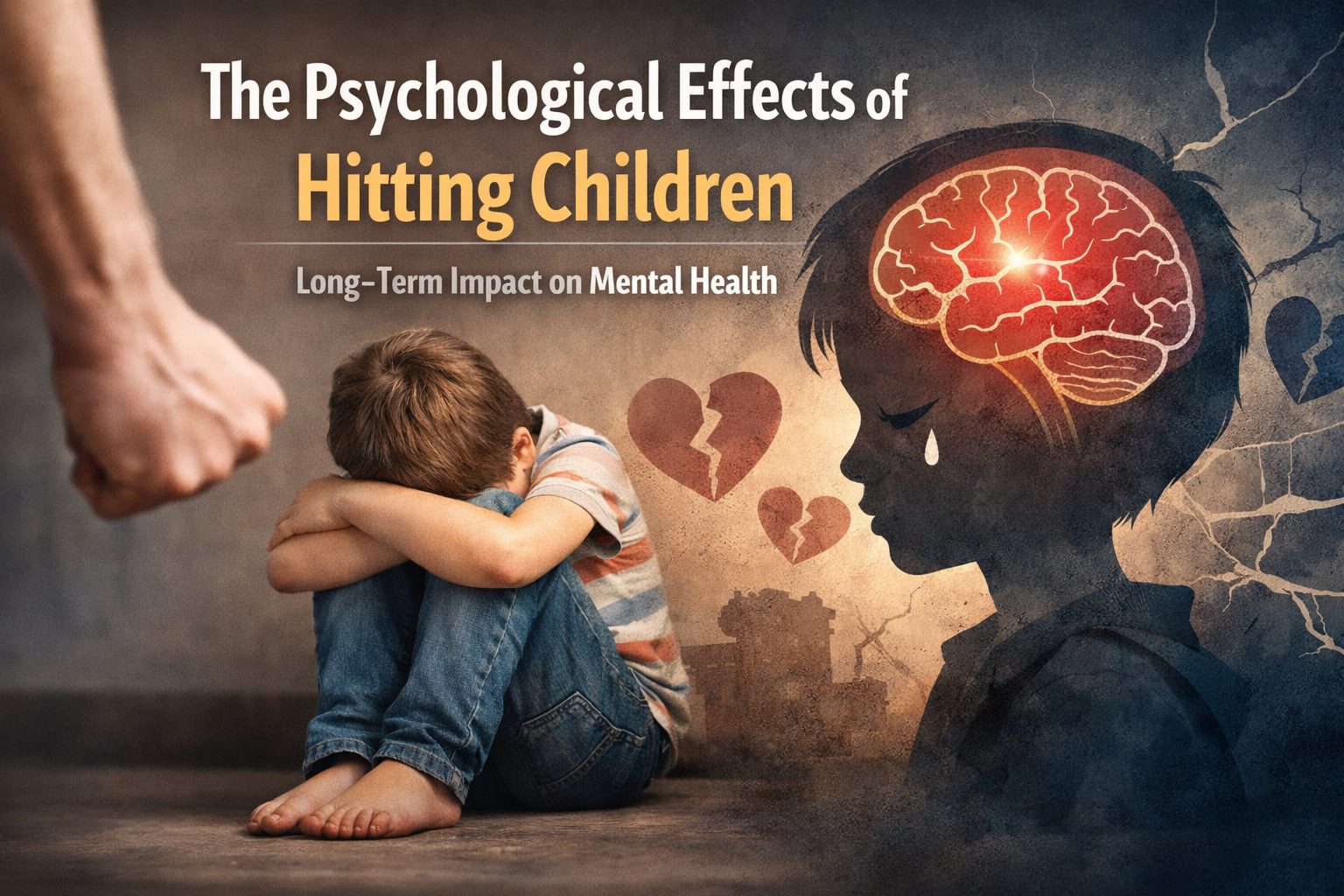
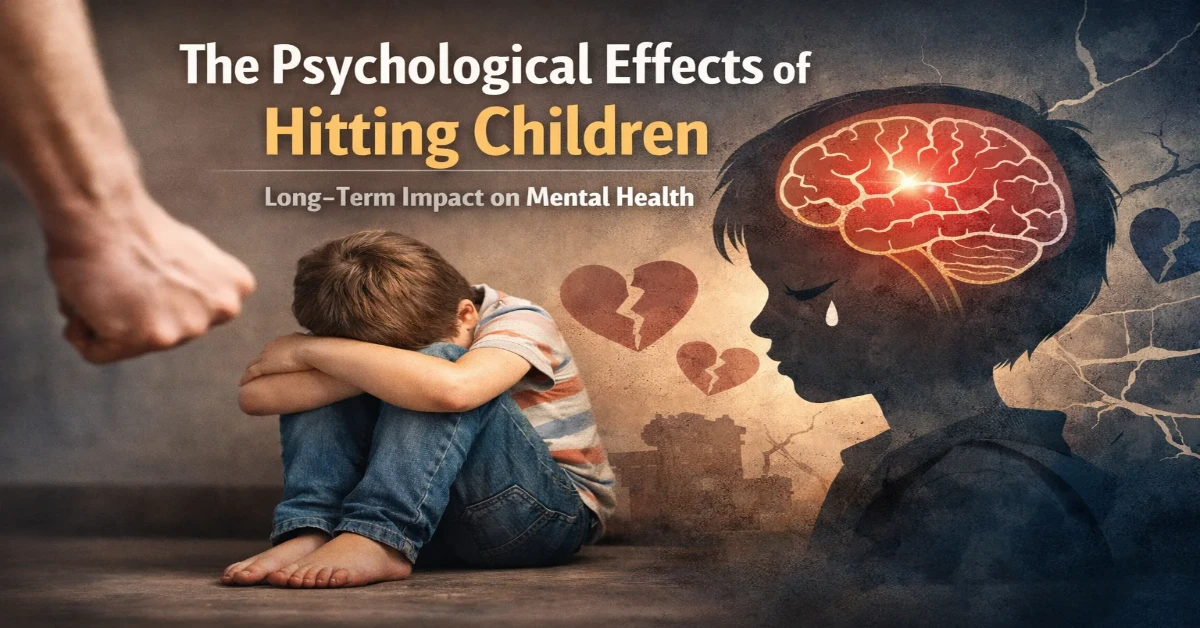
The way children are raised has a profound influence on their emotional and psychological development. One of the most debated parenting practices worldwide is physical punishment, particularly hitting children as a form of discipline. While some believe it is an effective way to correct behavior, modern research strongly suggests otherwise. The psychological effects of hitting children can be deep, long-lasting, and harmful to their mental well-being.
In this article, we will explore how physical punishment affects children’s mental health, behavior, and future relationships, while also highlighting healthier alternatives for discipline.
Understanding Physical Punishment
Physical punishment includes any form of hitting, spanking, or slapping intended to correct a child’s behavior. Although it may stop unwanted behavior temporarily, it does not address the root cause of the issue.
Parents often react impulsively, especially under stress. Managing time and stress effectively is essential in parenting. Tools like this helpful time management converter can assist parents in organizing daily routines better:
👉 https://fast-convert.net/converter/time
By improving time management, parents can reduce stress and respond more calmly to their children.
Emotional and Psychological Damage
1. Increased Anxiety and Depression
Children who are hit regularly are more likely to develop anxiety and depression. Physical punishment creates a sense of fear rather than understanding. Instead of learning why their behavior is wrong, children focus on avoiding pain.
Over time, this fear can turn into chronic stress, affecting brain development and emotional stability.
2. Low Self-Esteem
When a child is hit, they may begin to feel worthless or unloved. They often internalize the punishment, believing they are “bad” rather than understanding that their behavior was inappropriate.
This can lead to low self-confidence that continues into adulthood, affecting academic performance, career success, and relationships.
3. Aggressive Behavior
One of the most concerning outcomes is that children learn aggression as a way to solve problems. When parents use violence, children may imitate this behavior with others—siblings, classmates, or even later in life with their own families.
In simple terms, hitting teaches children that “violence is acceptable.”
Impact on Brain Development
Scientific studies have shown that repeated physical punishment can affect the developing brain. Areas responsible for emotional regulation, decision-making, and impulse control may be negatively impacted.
Stress hormones like cortisol increase when a child is exposed to fear or pain regularly. Over time, this can lead to:
- Poor emotional control
- Difficulty concentrating
- Increased risk of mental disorders
Understanding measurements and tracking development can be useful for parents. For example, tools like this age or time calculation converter can help monitor growth stages:
👉 https://fast-convert.net/converter/time
Damaged Parent-Child Relationship
Trust is the foundation of any healthy relationship. When a parent hits a child, that trust is weakened.
Children may begin to:
- Fear their parents instead of respecting them
- Avoid communication
- Hide mistakes instead of learning from them
This emotional distance can last for years, making it harder for families to maintain strong, supportive connections.
Long-Term Consequences in Adulthood
The psychological effects of hitting children don’t end in childhood. Many adults who experienced physical punishment report:
- Difficulty forming healthy relationships
- Higher levels of stress and anxiety
- Increased risk of substance abuse
- Struggles with anger management
Just like converting measurements accurately is important in daily life, understanding emotional impact requires awareness and precision. You can explore useful tools like this unit converter for daily needs here:
👉 https://fast-convert.net/converter
Why Parents Still Use Physical Punishment
Despite the evidence, some parents continue this practice due to:
- Cultural beliefs
- Lack of awareness
- Stress and frustration
- Being raised the same way
Parenting is challenging, and without proper guidance, many repeat patterns from their own childhood.
Healthier Alternatives to Discipline
The good news is that there are effective and positive ways to discipline children without causing harm:
1. Positive Reinforcement
Reward good behavior instead of focusing only on mistakes.
2. Clear Communication
Explain why certain behaviors are wrong in a calm and respectful way.
3. Time-Outs (Non-violent)
Allow children time to reflect on their actions without fear.
4. Setting Boundaries
Consistency helps children understand expectations and consequences.
5. Emotional Support
Help children express their feelings instead of suppressing them.
Conclusion
Hitting children may seem like a quick solution, but it carries serious psychological consequences that can last a lifetime. From anxiety and low self-esteem to damaged relationships and long-term mental health issues, the risks far outweigh any temporary benefits.
The psychological effects of hitting children highlight the importance of adopting healthier, more compassionate parenting techniques. By choosing understanding over punishment, parents can raise emotionally strong, confident, and resilient individuals.
Investing time in learning better parenting strategies and managing daily stress can make a significant difference—not just in a child’s life, but in the future of society as a whole.