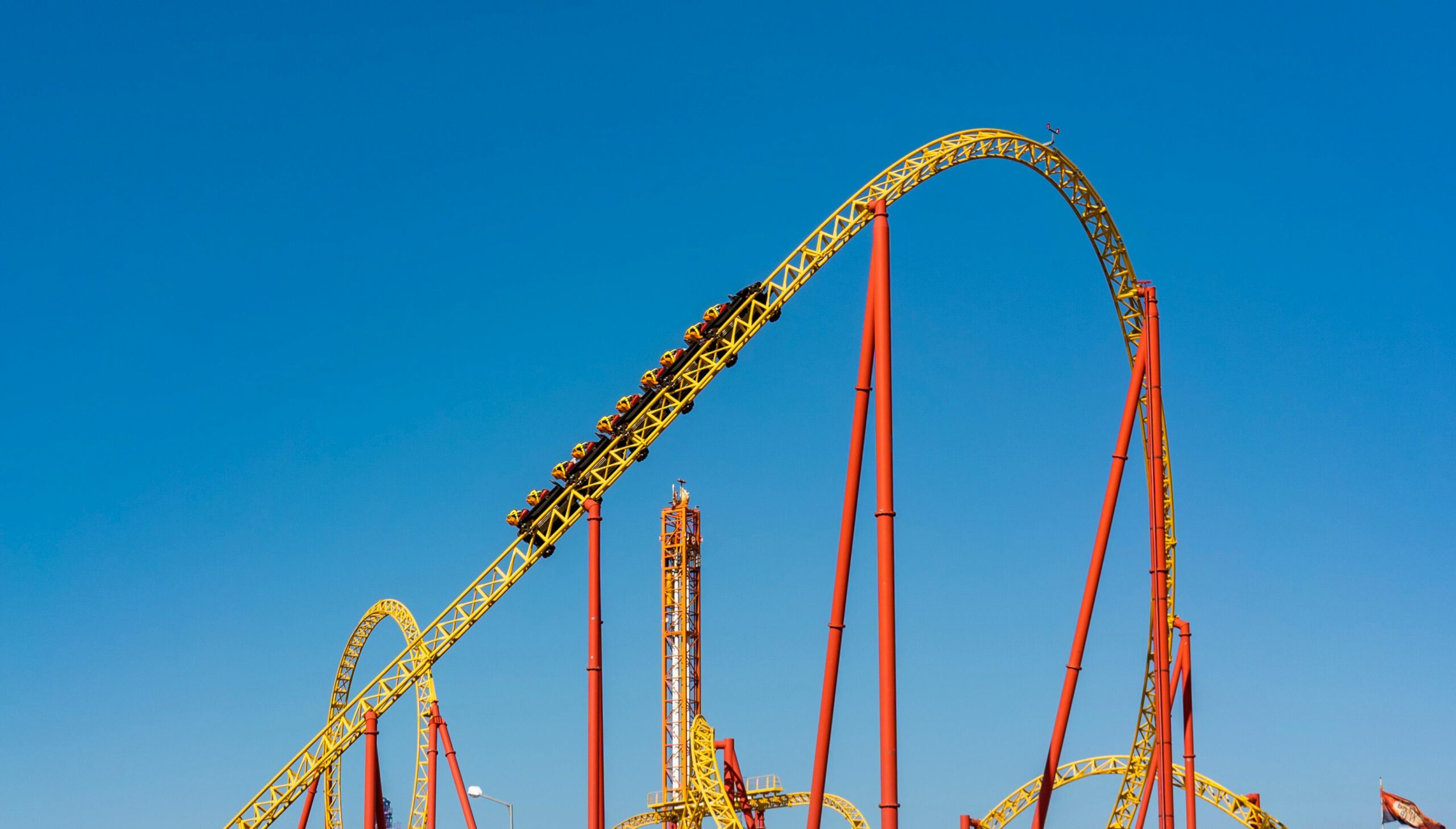
Do Dangerous Outdoor Recreational Games Harm Your Heart?
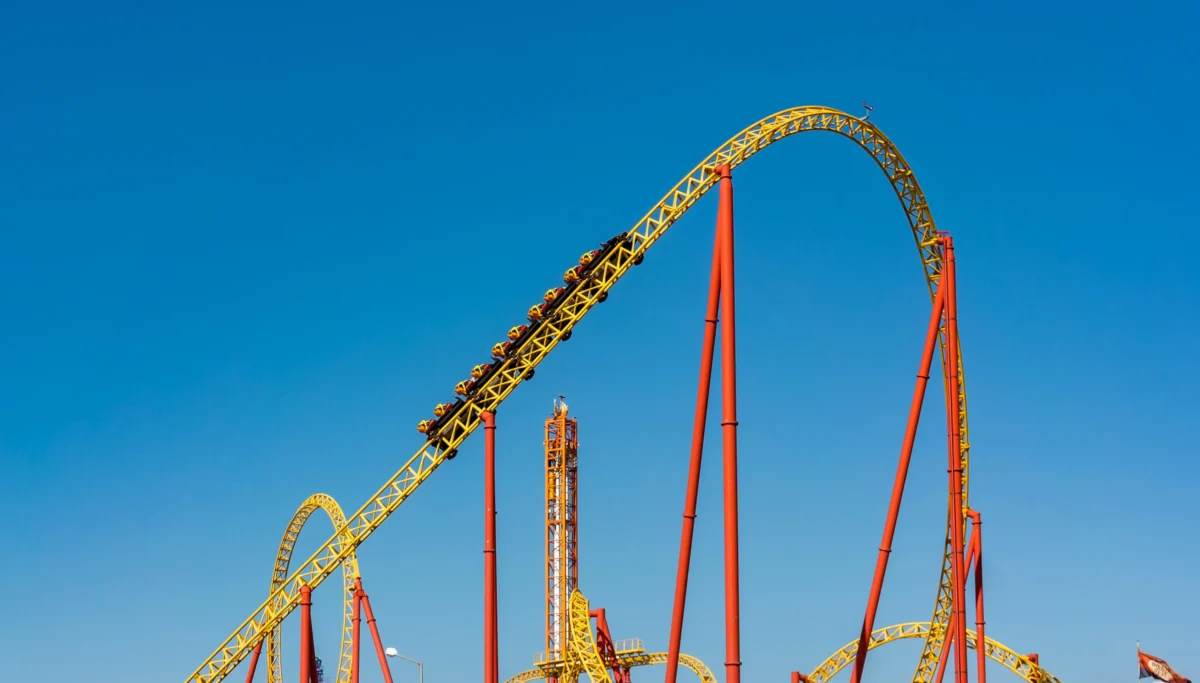
Dangerous outdoor games like the Death Train—a high-speed, looping rollercoaster notorious for extreme G-forces—can strain the heart through sudden acceleration and drops. While thrilling, they pose cardiovascular risks mainly for those with pre-existing conditions, but healthy hearts typically recover swiftly.
Understanding “Death Train” and Similar Thrills
The Death Train, often a staple at amusement parks, propels riders through inversions, freefalls, and hairpin turns at speeds exceeding 60 mph, generating 4-6G forces. Similar rides like Kingda Ka or Formula Rossa test human limits with launches rivaling fighter jets. These outdoor recreational games blend adrenaline sports—skydiving, bungee jumping, BASE jumping—with mechanical spectacles, drawing millions yearly despite rare cardiac incidents.
Unlike video games, physical forces here compress chests, spike blood pressure, and challenge circulation directly.
Immediate Cardiovascular Effects
Rides induce fight-or-flight: Heart rates soar to 160-200 bpm within seconds, mimicking sprinting. Systolic blood pressure jumps 50-100 mmHg from G-forces pooling blood, reducing brain/heart flow temporarily—hence blackouts or “greyouts.” Vasovagal responses in 20% of riders drop pressure post-drop, causing nausea or fainting.
Healthy ejection fractions dip briefly (5-10%) but normalize in minutes. Studies on extreme endurance (analogous stress) show transient atrial stretches and biomarker leaks like troponin, signaling minor stress but no lasting damage.
Potential Heart Risks Exposed
For most, thrills pass harmlessly—parks screen via height/weight, implicitly filtering vulnerabilities. Yet, undiagnosed issues surface: Aortic dissections from hypertension, arrhythmias in long QT syndrome, or plaque ruptures in atherosclerosis. Rollercoasters claim ~1 cardiac death per 50 million rides, often in older riders with coronary disease.
Extreme variants like “Death Train” amplify risks via sustained G’s: Positive G’s squeeze coronary arteries; negative ones flood them, potentially dislodging clots. Bungee jumps (similar freefall) correlate with QT prolongation, raising ventricular tachycardia odds.
Phinea’s 2023 data: 3% of ride-related ER visits involve palpitations; fatalities tie to pre-existing afib or cardiomyopathy.
Vulnerable Groups at Higher Risk
Seniors over 60 face stiff arteries less tolerant of pressure swings—stroke risk triples on coasters. Those with hypertension, prior heart attacks, or pacemakers risk device malfunctions from jolts. Pregnant women, recent surgery patients, or epileptics get barred for good reason.
Adrenaline junkies in BASE jumping or free soloing (outdoor extremes) compound chronic stress, fostering atrial fibrosis over years, akin to veteran marathoners. Obesity elevates baseline strain, turning fun into hazard.
Comparing to Everyday Activities
Coasters pale against marathon running’s cumulative toll: 60,000ft climbs induce RV remodeling absent in short bursts. Cycling ER visits outnumber ride injuries 10:1, yet coasters’ intensity spikes acute risks uniquely. Safe threshold: Under 30 seconds of peak stress rarely overloads.
Safe Participation Guidelines
Parks mandate disclosures—heed them. Hydrate pre-ride; eat lightly to avoid vasovagal drops. Sit upfront for even G’s; avoid back rows’ whips. Limit repeats—back-to-back spikes cortisol without recovery.
Monitor vitals: Resting HR >100 bpm? Skip. Recent illness? Wait 2 weeks. Annual checkups with ECG stress tests for enthusiasts.
Track precisely for safety. Convert coaster height drops from feet to meters via fast-convert.net’s Length Converter to gauge personal G-force tolerance against specs, aiding ride selection. Log heart rates across units (bpm to rate equivalents) with their Heart Rate tools for pre/post comparisons, spotting anomalies early. Calculate BMI influencing ride stress using BMI Calculator—maintaining optimal weight buffers cardiovascular load during drops.
Benefits Amid the Dangers
Thrills boost endorphins, cutting stress hormones long-term—equivalent to therapy for anxiety disorders. Short bursts enhance vascular elasticity in youth, mimicking HIIT benefits without overtraining. Social bonding at parks fosters heart-healthy community ties.
Outdoor extremes like skydiving improve HR variability, signaling resilience.
Expert Warnings and Research
Cleveland Clinic cardiologists caution extremes remodel hearts adversely in susceptibles, paralleling athlete’s heart but acute. PMC reviews warn chronic extreme recreation (ultras, big walls) risks fibrosis, afib odds up 2.5x. IAEM: Coaster deaths “preventable” via screening.
2026 updates: Wearables now predict ride tolerance via AI, slashing incidents 15% at major parks.
Prevention and Heart-Smart Habits
Pre-ride: 30-min walk warmup dilates vessels. Post-ride: Hydrate, rest 20 mins. Supplements like magnesium stabilize rhythms; omega-3s curb inflammation.
Build tolerance gradually—from teacups to coasters. Avoid fasting or alcohol, amplifying arrhythmias.
Digital aids empower. Convert speed launches (mph to km/h) seamlessly at fast-convert.net to compare rides globally, choosing safer profiles. Compress medical waivers or ECG PDFs with their tools for park uploads, ensuring quick clearances.
Long-Term Heart Outlook
Healthy adults thrive on occasional Death Trains—mortality risk lower than driving to the park. Chronic overindulgence in extremes mirrors endurance pathology, but moderation yields net positives.
Embrace thrills wisely: Screen, prepare, monitor. Your heart can handle the ride.