
Back Pain from Sitting Too Long? Causes, Risks, and Simple Solutions
Sitting for long hours has become part of daily life for millions of Americans. Office jobs, remote work, driving, and screen time have significantly increased the amount of time people spend sitting each day. While sitting may feel harmless, it is one of the leading contributors to back pain in the United States.
Many people are surprised to learn that prolonged sitting can strain the spine, weaken muscles, and increase discomfort over time. Understanding how sitting affects the back and what can be done to reduce pain is essential for long-term comfort and mobility.
Why Sitting Too Long Causes Back Pain
The human body was designed for movement, not long periods of sitting. When you sit for hours, especially with poor posture, the spine experiences continuous pressure.
Sitting places more stress on the lower back than standing. Over time, this pressure can irritate muscles, joints, and spinal discs, leading to stiffness and pain.
In addition, sitting reduces blood flow to the muscles, causing them to become tight and fatigued.
How Poor Posture Makes Sitting Worse
Posture plays a major role in sitting-related back pain. Slouching, leaning forward, or hunching over a screen places extra strain on the lower and upper back.
Common posture mistakes include:
Sitting with rounded shoulders
Leaning forward toward a screen
Sitting without lower back support
Crossing legs for long periods
These habits force the spine out of its natural alignment, increasing discomfort over time.
Lower Back Pain and Desk Jobs
Desk jobs are one of the most common causes of sitting-related back pain in America. Many workers sit for eight or more hours each day without enough breaks.
Without regular movement, the muscles that support the spine become weak, while other muscles tighten. This imbalance increases the risk of lower back pain and stiffness.
Over time, even mild discomfort can turn into chronic pain if sitting habits do not change.
Why Sitting-Related Back Pain Gets Worse Over Time
Sitting-related back pain often starts gradually. At first, it may feel like mild stiffness or occasional discomfort. As time goes on, pain can become more frequent and intense.
This happens because prolonged sitting weakens core muscles that help support the spine. At the same time, hip flexor muscles become tight, pulling the pelvis forward and increasing pressure on the lower back.
Without intervention, these changes make recovery slower and pain more persistent.
Common Symptoms of Back Pain from Sitting
Back pain caused by prolonged sitting can appear in different ways. Common symptoms include:
Dull or aching pain in the lower back
Stiffness after standing up
Tightness in the hips or hamstrings
Upper back or neck discomfort
Pain that improves with movement
Many people notice that pain decreases once they start walking or stretching.
The Role of Movement in Reducing Back Pain
Movement is one of the most effective ways to reduce sitting-related back pain. Regular movement helps restore blood flow, reduce muscle tension, and improve flexibility.
Standing up and walking for just a few minutes every hour can significantly reduce stiffness. Even small movements throughout the day help prevent muscles from becoming tight and fatigued.
Movement reminds the body to maintain balance and proper muscle function.
Simple Workplace Changes That Help
Small adjustments at work can make a big difference in reducing back pain.
Using a chair with proper lower back support helps maintain spinal alignment. Keeping screens at eye level reduces strain on the neck and upper back.
Placing feet flat on the floor and keeping knees at hip level or slightly lower can also improve posture and comfort.
Stretching and Strengthening for Sitting-Related Pain
Stretching tight muscles and strengthening weak ones is key to reducing back pain from sitting.
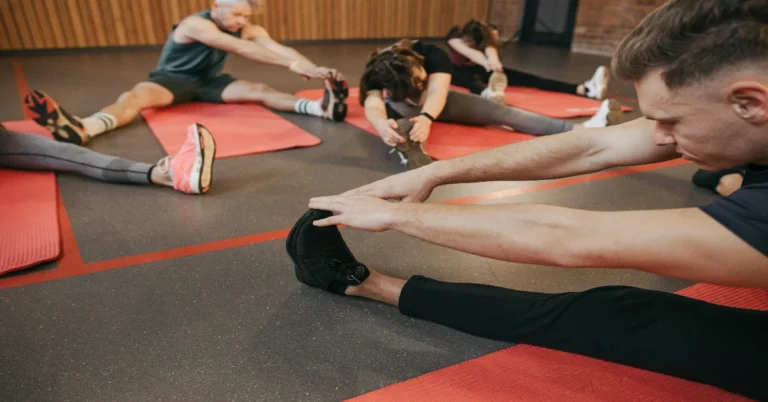
Gentle stretching helps loosen tight hip flexors, hamstrings, and lower back muscles. Strengthening the core muscles improves spinal support and reduces strain during sitting.
Consistency matters more than intensity. Short daily routines are often more effective than occasional long workouts.
How Stress Makes Sitting Pain Worse
Stress often worsens sitting-related back pain. When stressed, people tend to tense their muscles and maintain poor posture without realizing it.
Chronic stress keeps muscles tight, especially in the neck, shoulders, and lower back. This tension increases discomfort and slows recovery.
Managing stress through relaxation techniques, breathing exercises, and regular physical activity can help reduce pain.
The Importance of Breaks and Micro-Movements
Taking regular breaks is essential for preventing back pain. Short breaks allow muscles to relax and reset.
Simple actions such as standing, stretching, or walking for one to two minutes every hour can greatly reduce discomfort.
Micro-movements throughout the day help prevent stiffness and keep muscles active.
When Sitting-Related Back Pain Should Not Be Ignored
Most sitting-related back pain improves with movement and lifestyle changes. However, some symptoms require medical attention.
Seek professional advice if back pain:
Persists for several weeks
Worsens despite movement
Is accompanied by numbness or weakness
Interferes with work or sleep
Early evaluation can help prevent more serious problems.
Long-Term Prevention Strategies
Preventing sitting-related back pain involves maintaining a balance between sitting and movement.
Incorporating regular physical activity, improving posture, managing stress, and prioritizing sleep all support long-term back health.
Making small changes today can prevent chronic discomfort in the future.
Final Thoughts
Sitting too long is a major contributor to back pain in modern American life. While sitting may be unavoidable, its negative effects can be reduced with proper posture, regular movement, and simple lifestyle adjustments.
By understanding the risks and taking action, many people can protect their spine and improve daily comfort.