
Diabetes Management: When Is Medication Needed and How Treatment Works
Understanding Diabetes Management
Diabetes is a chronic health condition that affects how your body turns food into energy. Managing diabetes effectively is crucial to maintaining a healthy lifestyle and preventing complications. In this blog post, we will explore when medication is needed in diabetes management and how these treatments work.
Types of Diabetes
Before diving into medication and treatment options, it’s essential to understand the different types of diabetes:
- Type 1 Diabetes: An autoimmune condition where the body does not produce insulin.
- Type 2 Diabetes: The most common form, where the body becomes resistant to insulin or doesn’t produce enough.
- Gestational Diabetes: A temporary condition that occurs during pregnancy, leading to high blood sugar levels.
When Is Medication Needed?
Managing diabetes often begins with lifestyle changes, including diet and exercise. However, medication may be necessary under certain circumstances:
Type 1 Diabetes
Individuals with Type 1 diabetes will always require insulin therapy, as their bodies cannot produce insulin. This can include:
- Insulin Injections: Administered multiple times a day to control blood sugar levels.
- Insulin Pump: A device that delivers a continuous supply of insulin through a small tube.
Type 2 Diabetes
For Type 2 diabetes, medication may be required if:
- Your blood sugar levels remain high despite making lifestyle changes.
- You have a higher risk of diabetes-related complications.
Common medications for Type 2 diabetes include:
- Metformin: The first-line medication that helps lower glucose production in the liver and improves insulin sensitivity.
- Sulfonylureas: Stimulate the pancreas to release more insulin.
- GLP-1 Receptor Agonists: Help control blood sugar levels and can aid in weight loss.
- SGLT2 Inhibitors: Prevent glucose reabsorption in the kidneys, promoting its excretion through urine.
Gestational Diabetes
In cases of gestational diabetes, medication may be necessary if dietary changes are not sufficient to manage blood sugar levels. Insulin is often the preferred choice due to its safety for both mother and baby.
Understanding How Treatment Works
Medication for diabetes works in various ways, depending on the type and severity of the condition:
Insulin Therapy
Insulin therapy is crucial for Type 1 diabetes and can be essential for some Type 2 diabetes patients. It works by:
- Lowering blood sugar levels by facilitating glucose uptake into cells.
- Helping the liver store glucose as glycogen.
Oral Medications
Oral medications for Type 2 diabetes function through different mechanisms:
- Increase Insulin Production: Sulfonylureas and Meglitinides boost insulin secretion.
- Improve Insulin Sensitivity: Medications like Metformin enhance the body’s response to insulin.
- Reduce Glucose Absorption: Some medications decrease the absorption of carbohydrates in the intestines.
Other Treatments
In addition to medication, diabetes management may include:
- Continuous Glucose Monitoring (CGM): Helps track blood sugar levels throughout the day.
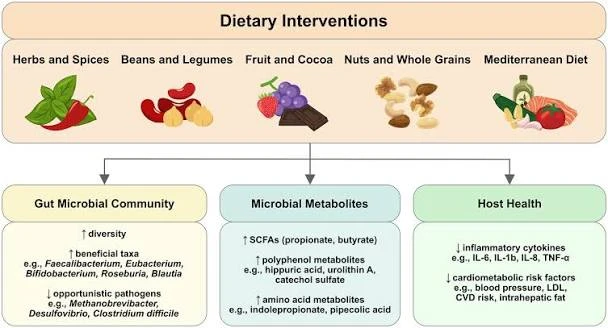
- Dietary Changes: A balanced diet rich in whole grains, fruits, vegetables, and lean proteins.
- Regular Physical Activity: Exercise plays a vital role in managing blood sugar levels.
Conclusion
Effective diabetes management is a combination of lifestyle modifications and, when necessary, medication. Understanding when medication is needed and how it works can empower individuals to take control of their health. If you or someone you know is struggling with diabetes, consult a healthcare professional to create a personalized treatment plan that works for you. Remember, knowledge is power, and the right approach can lead to a healthier, happier life.