The Health Benefits of Lettuce: A Refreshing, Low‑Calorie Superfood
Lettuce is often dismissed as a simple salad base, but this leafy green delivers meaningful nutrition, hydration, and health-supporting compounds that make it a valuable addition to any balanced diet. Low in calories and high in water, vitamins, minerals, and fiber, lettuce supports heart health, digestion, weight management, skin health, and more—while offering versatile ways to eat it every day.
Nutritional overview
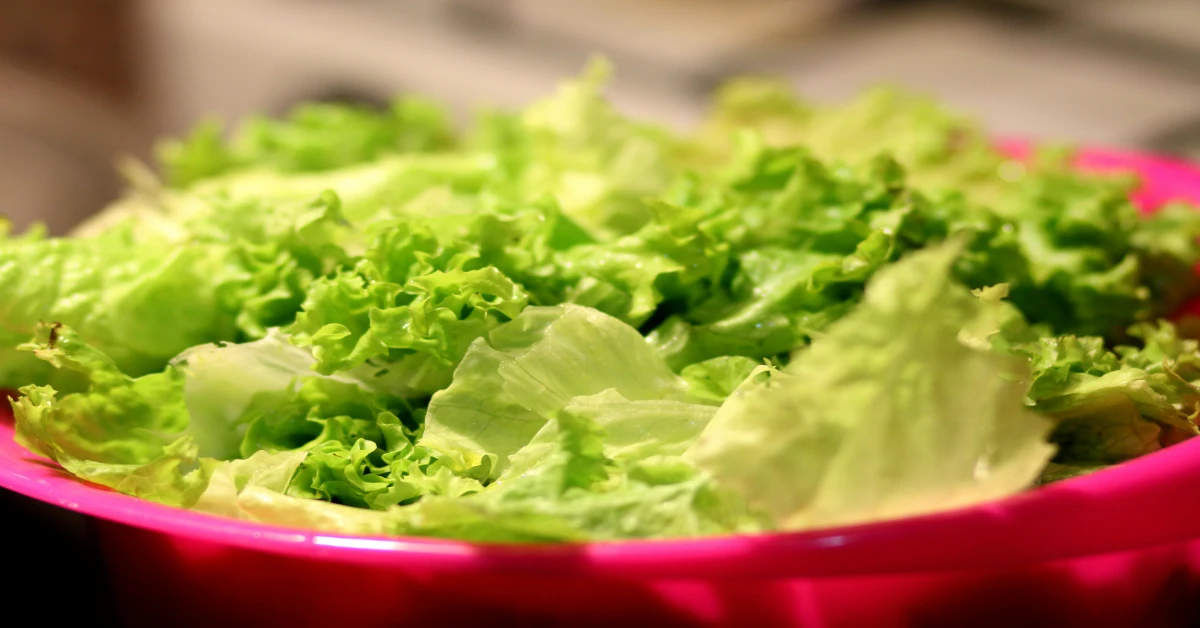
Lettuce varieties (romaine, iceberg, butterhead, oakleaf, and leaf lettuces) differ in texture, flavor, and nutrient density, but most provide a similar set of benefits. A generous cup of raw romaine (~47 g) supplies vitamin A (as beta‑carotene), vitamin K, folate, small amounts of vitamin C, potassium, and fiber, with very few calories. Darker green lettuces (romaine, green leaf) pack more vitamins and antioxidants than paler varieties like iceberg. Overall, lettuce is an excellent source of hydration because of its high water content and contributes to daily vegetable intake with minimal calories.
Heart and cardiovascular support
Lettuce contains potassium, folate, and phytonutrients that help support cardiovascular health. Potassium aids blood pressure control by helping the body excrete excess sodium and relaxing blood vessel walls, while folate contributes to healthy homocysteine levels—an amino acid linked to cardiovascular risk when elevated. The combination of fiber and antioxidants in lettuce helps reduce oxidative stress and supports healthy cholesterol metabolism when part of an overall plant‑forward diet.
Weight management and satiety
Because lettuce is very low in calories but high in volume and water, it helps create fillings meals without adding many calories—helpful for weight loss or maintenance. Adding a large bed of lettuce to a plate increases fullness, slows eating, and encourages portion control of higher‑calorie components. The fiber in lettuce contributes to satiety and regular bowel movements, supporting a healthy digestive rhythm.
Digestive health and fiber
Lettuce provides both soluble and insoluble fiber in modest amounts, which supports bowel regularity and a healthy gut environment. Dietary fiber feeds beneficial gut bacteria and helps moderate blood glucose spikes after meals by slowing carbohydrate absorption. For people with sensitive digestion, cooked or blanched lettuce may be gentler than large amounts of raw leaves.
Immune support and antioxidants
Lettuce contains vitamin C, beta‑carotene (a precursor to vitamin A), and polyphenols—antioxidants that help neutralize free radicals and lower chronic inflammation. These compounds support immune cell function and skin health, and they may reduce long‑term risks associated with oxidative damage. Darker leaves typically contain higher antioxidant levels than pale varieties.
Bone health and vitamin K
Vitamin K, abundant in many types of lettuce, is essential for blood clotting and bone metabolism. Adequate vitamin K intake supports bone mineralization and helps the body use calcium effectively. Including vitamin‑K rich greens alongside calcium sources (dairy or fortified plant milks) supports skeletal health over time.
Eye health and beta‑carotene
Beta‑carotene and lutein—carotenoids present in leafy greens—protect eye tissues from oxidative stress and may reduce the risk of age‑related macular degeneration and cataracts when eaten as part of a diet rich in vegetables. Eating a variety of colored leaves maximizes your intake of these protective pigments.
Hydration and skin benefits
With a very high water content, lettuce helps with daily hydration, which supports skin elasticity, digestion, and kidney function. Its vitamin A and C content also contribute to skin cell renewal and collagen formation—factors tied to healthier, more resilient skin.
Sleep and relaxation (traditional uses)
Some lettuce varieties and related plants have been used traditionally as mild sedatives or sleep‑promoting remedies; lactucin and lactucopicrin (compounds in wild lettuce) have mild calming properties in laboratory studies. While common salad lettuce is not a medication, some people find a warm lettuce‑leaf infusion soothing before bedtime. Scientific evidence for strong sleep effects is limited, so such uses should be considered complementary and gentle.
Blood sugar and diabetes-friendly choices
Because lettuce is low in carbohydrates and rich in fiber and water, it is appropriate for low‑glycemic meal planning and can help stabilize blood sugar when used instead of refined carbohydrates. Filling meals with lettuce and other non‑starchy vegetables reduces overall glycemic load and supports metabolic health.
Anticancer potential (protective role)
Leafy greens contain phytochemicals, flavonoids, and antioxidants that contribute to cellular protection. While no single food prevents cancer, diets rich in vegetables—including lettuce—are associated with lower risks of some cancers in population studies. Variety matters: combine lettuce with other colorful vegetables for the broadest protective effect.
Choosing and storing lettuce
- Pick fresh, crisp leaves with bright color and minimal browning.
- Store unwashed leaves in a breathable bag or container with a paper towel to absorb moisture; refrigeration extends freshness for several days.
- Wash leaves just before use to preserve texture and nutrients.
- For the best nutrient density, choose darker green varieties such as romaine or green leaf over iceberg.
Best ways to eat lettuce (practical ideas)
- Classic salads with a mix of greens, colorful vegetables, lean protein, and healthy fats (olive oil, nuts) for balanced meals.
- Lettuce wraps to replace tortillas or bread for lower‑calorie sandwiches and handheld meals.
- Lightly sautéed or wilted lettuce added to warm dishes (pasta, grains) — quick cooking softens the leaves and concentrates flavor while preserving many nutrients.
- Juices and smoothies blended with other vegetables and fruits for hydration and nutrition—use sparingly if aiming for fiber retention rather than a clear juice.
Safety and considerations
- Pesticide residues: Choose organic or thoroughly wash leaves if pesticide exposure is a concern.
- Food safety: Leafy greens can be associated with outbreaks if contaminated; store and handle carefully and discard leaves that smell off or look slimy.
- Nutrient balance: Lettuce should complement, not replace, other nutrient sources—include legumes, whole grains, lean proteins, nuts, seeds, and a variety of vegetables for a complete diet.
How lettuce supports an overall healthy plate (SEO‑friendly takeaway)
Lettuce adds volume, hydration, and vital micronutrients to meals while contributing to weight management, heart health, digestive support, bone health, skin, and eye protection. For those writing recipes, meal plans, or health handouts, optimizing images of lettuce dishes and converting recipe sheets to web‑friendly PDFs can improve reader experience and page speed—small technical steps that boost accessibility and SEO. Use simple online tools to convert recipe photos to WebP and to turn grocery lists or meal plans into shareable PDFs for clients or readers.
Quick example: converting meal plans for sharing
If you create printable weekly meal plans that feature lettuce‑based salads and wraps, convert your document to a compact PDF for easy printing and email; similarly, convert large recipe images to modern, compressed formats to speed website load times and keep readers engaged. These simple steps help content reach a wider audience while maintaining usability.
Final notes
Lettuce is more than a garnish: it’s an accessible, low‑calorie vegetable with multiple health benefits when included as part of a varied diet. Emphasize darker leafy varieties for higher nutrient content, combine lettuce with proteins and healthy fats for balanced meals, and practice safe handling. Small changes—like swapping bread for a lettuce wrap or adding a double handful of greens to your plate—yield meaningful health returns over time.