Best Treadmill Alternatives for Knee Patients — Safe, Low‑Impact Exercises
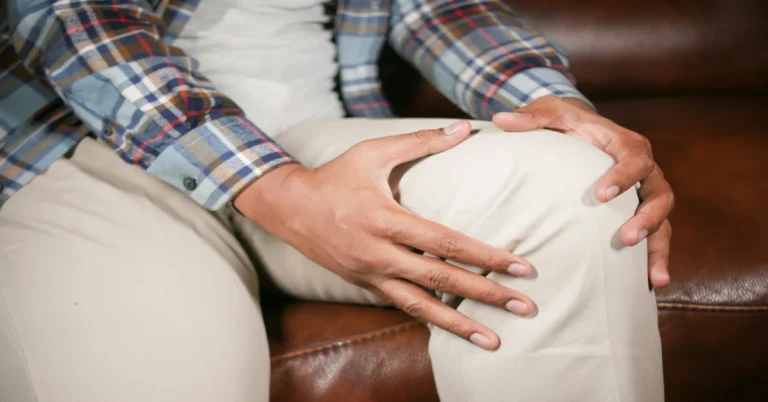
Knee pain or osteoarthritis doesn’t mean you must stop exercising — it means choosing the right activities that protect the joint while improving strength, mobility, and cardiovascular fitness. This article reviews the best treadmill alternatives for people with knee problems, explains why they work, offers practical programs, and gives safety tips so you can stay active without aggravating pain.
Why choose treadmill alternatives
Treadmills can overload the knee with repetitive impact, especially at higher speeds or incline; for many knee patients, low‑impact options reduce joint stress while still delivering fitness benefits. Low‑impact exercise lowers pain, slows cartilage decline, and improves function by strengthening muscles around the knee (quadriceps, hamstrings, glutes) that absorb load and stabilize the joint.
Top low‑impact cardio options
- Swimming and water exercise
Swimming and water aerobics are among the best cardio choices for knee patients because buoyancy reduces weight-bearing load while water resistance builds strength and endurance. Water exercise improves pain, range of motion, and function in knee osteoarthritis and is safe for most patients when supervised. - Cycling (stationary or outdoor, low resistance)
Cycling keeps the knee moving through a smooth range of motion and strengthens the quadriceps with minimal impact. Stationary bikes allow precise resistance control and are ideal for rehabilitation; aim for comfortable seat height and short resistance intervals to avoid pain flares. - Elliptical trainers and recumbent cross‑trainers
Ellipticals mimic walking motion without hard impact, and recumbent cross‑trainers place less compressive force on the knees while supporting the back. They are a good treadmill substitute for steady cardio and gradual endurance building. - Rowing machine (with proper technique)
Rowing is full‑body and low‑impact on the knees when performed with correct hip-driven technique; adjust damper/resistance to a lower setting and focus on leg drive from the hips and glutes rather than forceful knee extension. - Nordic walking or trekking poles for outdoor walking
Using poles shifts some load to the upper body, reducing knee forces and helping with balance. Nordic walking keeps the walking motion without the high repetitive knee impact of brisk treadmill running.
Strength and conditioning alternatives (essential for knee health)
Strengthening the muscles that support the knee reduces pain and improves function more than stretching alone. These exercises are safe when performed with attention to form and pain limits.
- Straight‑leg raises
Lie flat and lift one straight leg a few inches while keeping the other knee bent for support. This isolates and strengthens the quadriceps without knee flexion stress — useful early in rehab. - Glute bridges and hip hikes
Bridges activate glutes and hamstrings, improving hip stability and reducing knee load; perform with knees bent and lift hips to neutral, holding for a few seconds. Side-lying hip hikes and clamshells strengthen lateral hip muscles that protect the knee in single-leg stance. - Mini‑squats and wall sits (shallow range)
Avoid deep squats that exceed 90° knee flexion if painful. Mini‑squats (30°–45°) and light wall sits build strength safely; focus on pushing through the heels and keeping knees aligned over toes. - Step‑ups (low height)
Step-ups onto a low platform (10–15 cm/4–6 inches) simulate daily activities but reduce strain compared with high steps; maintain slow controlled movements and avoid forceful knee driving. - Resistance band exercises
Bands allow progressive loading of hip abductors, quadriceps, and hamstrings with low joint stress. Lateral band walks and resisted leg extensions/hacks are adaptable for home use.
Balance and mobility work
Improving balance reduces fall risk and distributes forces more evenly through the kinetic chain.
- Single‑leg stands (with support)
Practice near a stable surface and hold for 10–30 seconds. Progress by reducing hand support as balance improves. - Tai chi and gentle yoga
Both improve balance, proprioception, and functional mobility without high knee loading. Tai chi has evidence for reducing pain and improving function in older adults with knee issues. - Range‑of‑motion stretches
Controlled knee flexion/extension and hamstring/calves stretches improve mobility; perform gently after warm-up to avoid stiffness.
Designing a safe program (sample week)
- Monday: Water aerobics or pool walking (30–45 minutes).
- Tuesday: Strength circuit — bridges, straight‑leg raises, mini‑squats, banded side steps (2 sets of 10–15).
- Wednesday: Rest or gentle yoga (30 minutes).
- Thursday: Cycling (stationary) intervals — 20–30 minutes at low resistance.
- Friday: Balance + mobility session — single‑leg stands, calf/hamstring stretches (20 minutes).
- Saturday: Elliptical or Nordic walking (30–40 minutes).
- Sunday: Rest or light walk as tolerated.
Safety precautions and red flags
- Consult healthcare providers before starting, especially with recent injury, surgery, or severe osteoarthritis. A physiotherapist can tailor exercises and progressions.
- Use pain as a guide: mild discomfort during exercise is common, but sharp pain, swelling, or worsening limp indicates the need to stop and seek medical review.
- Warm up before exercise (5–10 minutes) and cool down after to reduce stiffness.
- Modify range and resistance to avoid provoking symptoms; progress slowly.
When to consider additional therapies
If persistent pain or functional decline occurs despite conservative exercise, medical options include anti‑inflammatory strategies, corticosteroid injections, viscosupplementation, or surgical consultation for mechanical problems. Combining exercise with weight management and pain control often yields the best long‑term outcomes.
Practical tips and adherence strategies
- Choose enjoyable activities — consistency matters more than intensity.
- Use short daily sessions (10–20 minutes) if longer workouts feel daunting; build gradually.
- Track progress with simple logs or share plans with clinicians; converting your exercise plan to a printable PDF makes review and adherence easier—tools like FastConvert’s text-to-PDF feature can create clean, shareable handouts for patients or caregivers .
- For websites or blog posts showing exercise photos or videos for knee-friendly workouts, optimize image files (for example, convert large JPGs to WebP) to improve page speed and SEO—a practical use for converters like FastConvert .
Conclusion
Knee patients have many effective treadmill alternatives that protect joints while improving cardiovascular fitness, strength, balance, and mobility. Swimming, cycling, elliptical work, low‑range resistance exercises, and balance training form a well‑rounded program that reduces pain and improves function when done consistently and safely. Work with a healthcare professional to tailor exercises to your condition, monitor symptoms, and use simple sharing tools to stay organized and motivated.
References and further reading
Clinical and rehabilitation resources on knee exercise and osteoarthritis informed this article, including hospital physiotherapy guidance and exercise reviews for knee health.