Understanding Reduced Blood Pressure: Causes, Benefits, and Management
Introduction
Reduced blood pressure, often referred to as hypotension, is a condition where the blood pressure in the arteries is lower than normal. While many people focus on high blood pressure as a health hazard, low blood pressure can also lead to significant health issues. This blog post will explore the causes, benefits, and management strategies for reduced blood pressure to help you maintain optimal health.
What is Blood Pressure?
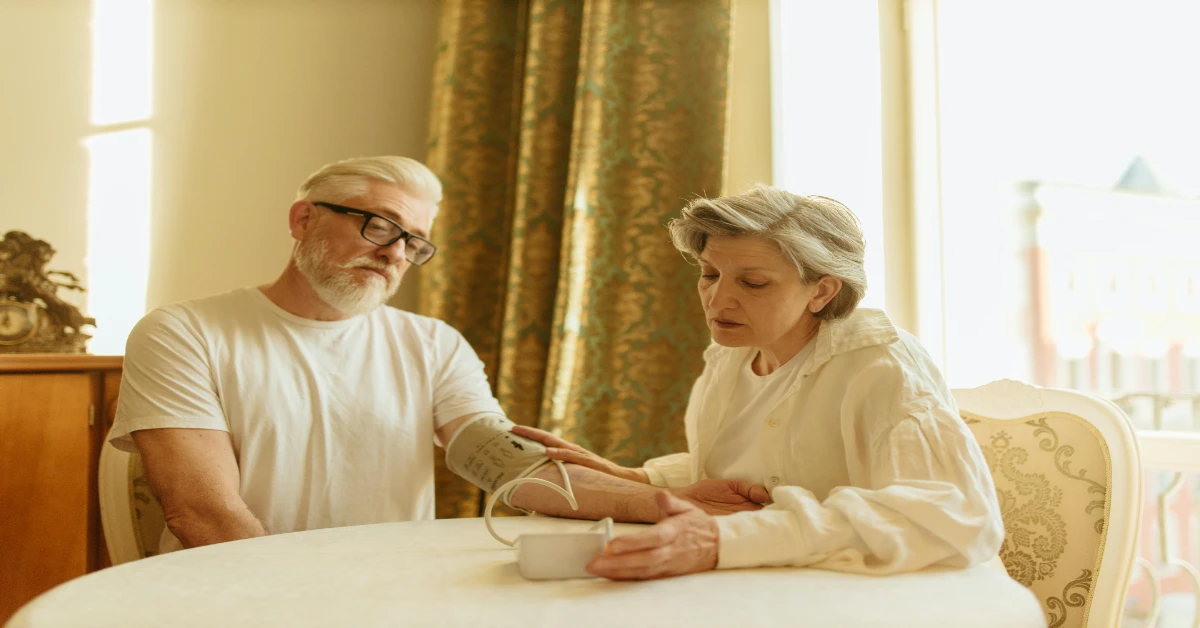
Blood pressure is the force exerted by circulating blood against the walls of blood vessels. It is measured in millimeters of mercury (mmHg) and is represented by two readings: systolic (the pressure during heartbeats) and diastolic (the pressure when the heart rests between beats). A typical healthy blood pressure reading is around 120/80 mmHg. When blood pressure falls below 90/60 mmHg, it is generally considered low.
Causes of Reduced Blood Pressure
Several factors can lead to reduced blood pressure, including:
- Dehydration: Losing more water than you take in can cause low blood pressure.
- Heart problems: Certain heart conditions can lead to low blood pressure by affecting the heart’s ability to pump blood.
- Endocrine disorders: Conditions such as adrenal insufficiency can result in low hormone levels, affecting blood pressure.
- Severe infection: Sepsis can lead to a dangerous drop in blood pressure.
- Blood loss: A significant loss of blood can reduce the amount of blood in your body, leading to lower blood pressure.
- Nutritional deficiencies: Lack of vitamins B-12 and folate can prevent your body from producing enough red blood cells.
- Medications: Some medications, including diuretics, antidepressants, and drugs used to treat Parkinson’s disease, can cause low blood pressure.
Benefits of Reduced Blood Pressure
While low blood pressure can pose health risks, there are also some potential benefits, particularly for those who suffer from hypertension. Here are a few:
- Reduced risk of heart disease: Lower blood pressure generally means less strain on the heart and arteries, reducing the risk of cardiovascular diseases.
- Improved circulation: When blood pressure is at a healthy level, blood flows more freely through the body’s vessels, improving overall circulation.
- Better kidney function: Lower blood pressure can reduce the risk of kidney damage, especially in those with pre-existing conditions.
Symptoms of Hypotension
Individuals with reduced blood pressure may not always exhibit symptoms, but when they do, they can include:
- Dizziness or lightheadedness
- Fainting
- Blurred vision
- Nausea
- Fatigue
If you experience these symptoms regularly, it’s essential to consult a healthcare professional.
Managing Reduced Blood Pressure
There are several strategies to manage reduced blood pressure effectively:
1. Stay Hydrated
Drinking plenty of fluids can help increase blood volume, which can, in turn, help raise blood pressure. Aim for at least eight 8-ounce glasses of water a day, and consider electrolyte-rich drinks if you are experiencing severe dehydration.
2. Eat a Balanced Diet
Include foods rich in vitamins and minerals, particularly those high in B-12 and folate. Consider incorporating:
- Leafy greens
- Whole grains
- Nuts and seeds
- Meat, fish, and dairy products
3. Avoid Alcohol
Alcohol can lead to dehydration and lower blood pressure further, so it’s advisable to limit or avoid alcoholic beverages.
4. Wear Compression Stockings
Compression stockings can help improve circulation and reduce the pooling of blood in the legs, thereby helping to increase blood pressure.
5. Monitor Your Medications
If you are on medications that affect blood pressure, consult your doctor for adjustments if you experience symptoms of hypotension.
When to Seek Medical Help
If you consistently experience symptoms of low blood pressure or if you have a sudden drop in blood pressure, it is critical to seek medical attention. Your healthcare provider can help determine the underlying cause and implement appropriate treatment strategies.
Conclusion
Understanding reduced blood pressure is crucial for maintaining overall health. While it can offer some benefits, it is essential to be aware of the potential risks and manage the condition effectively. Staying hydrated, eating a balanced diet, and consulting with a healthcare professional can help ensure that your blood pressure remains at a healthy level. Stay informed and proactive about your health!