
The Hidden Cost of Modern Life: How Small Daily Habits Are Quietly Destroying Your Health
In today’s fast-paced world, people are more connected than ever before. Smartphones, social media, remote work, and instant access to information have made life easier in many ways. However, beneath this convenience lies a growing health crisis that most people barely notice. Modern life, with all its comforts, is quietly damaging our physical and mental well-being through small daily habits we often ignore.
Many people believe that serious health problems only come from extreme behaviors—smoking heavily, eating fast food every day, or never exercising. The truth is far more alarming. It is the small, repeated habits—sitting too long, poor sleep, constant screen exposure, and chronic stress—that slowly wear down the body and mind over time.
The Silent Impact of Sitting Too Much
One of the biggest hidden threats to modern health is prolonged sitting. Office jobs, online businesses, and entertainment platforms encourage people to sit for hours without movement. Research has shown that sitting for long periods increases the risk of heart disease, obesity, diabetes, and even early death—even for people who exercise regularly.
When the body stays inactive for too long, blood circulation slows down, muscles weaken, and metabolism drops. Over time, this leads to weight gain, back pain, poor posture, and reduced energy levels. The worst part? Most people do not feel the damage until years later.
Simple actions such as standing up every 30–60 minutes, stretching, or taking short walks can significantly reduce these risks. Health does not require extreme workouts—consistency matters more than intensity.
Sleep Deprivation: The Modern Epidemic
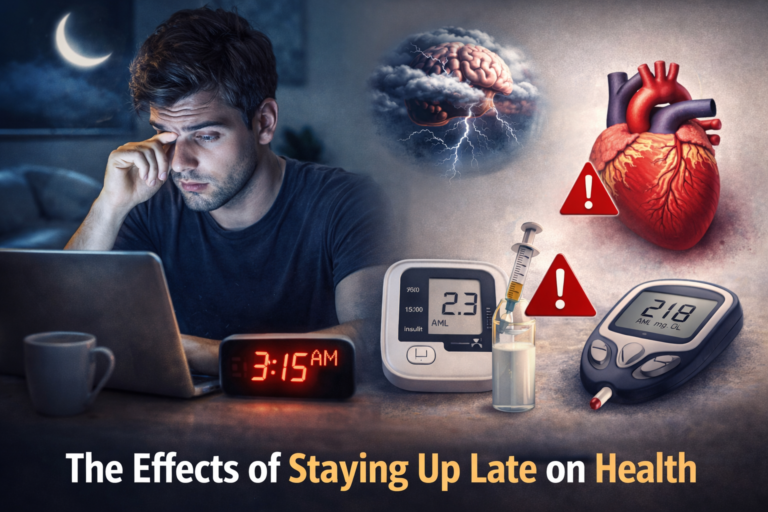
Sleep used to be a natural priority. Today, it is often sacrificed for productivity, entertainment, or scrolling on phones late at night. Many adults proudly claim they can function on five or six hours of sleep, but science strongly disagrees.
Lack of quality sleep weakens the immune system, disrupts hormones, affects memory, and increases the risk of anxiety and depression. Chronic sleep deprivation is also linked to heart disease, obesity, and reduced lifespan.
Blue light from screens suppresses melatonin, the hormone responsible for sleep. This makes it harder to fall asleep and reduces sleep quality. Creating a simple nighttime routine—turning off screens an hour before bed, keeping the room dark and cool, and sleeping at consistent times—can dramatically improve overall health.
Processed Food and the Illusion of Convenience
Modern diets are filled with highly processed foods marketed as quick and convenient. While they save time, they come at a serious cost. These foods are often loaded with sugar, unhealthy fats, preservatives, and artificial ingredients that disrupt the body’s natural balance.
Regular consumption of processed food increases inflammation, weakens digestion, and raises the risk of chronic diseases such as diabetes and cardiovascular problems. Even products labeled as “healthy” can be misleading, containing hidden sugars and additives.
A healthier approach does not require strict dieting. Replacing just one processed meal per day with whole foods—vegetables, fruits, lean proteins, and whole grains—can create noticeable improvements in energy, focus, and mood within weeks.
Mental Overload and Constant Stress
Mental health is just as important as physical health, yet it is often ignored. Constant notifications, information overload, and pressure to be productive create a state of continuous stress. The brain rarely gets time to rest.
Chronic stress increases cortisol levels, which negatively affects digestion, sleep, immunity, and weight management. Over time, it contributes to burnout, anxiety, and depression.
Learning to disconnect is no longer a luxury—it is a necessity. Simple practices like daily walks, deep breathing, limiting social media use, and setting clear work boundaries can protect mental health and improve quality of life.
The Power of Small Changes
The good news is that health does not require perfection. Small, intentional changes repeated daily can reverse much of the damage caused by modern habits. Standing more, sleeping better, eating real food, and managing stress are not complicated actions—but they are powerful.
Health is not built overnight, and it is not destroyed overnight either. It is shaped by the choices we make every single day, often without realizing it.
Conclusion
Modern life offers comfort, speed, and endless opportunities—but it also demands awareness. Ignoring the small habits that harm our health today leads to bigger problems tomorrow. By paying attention to movement, sleep, nutrition, and mental balance, we can protect ourselves from the hidden cost of modern living.
True success is not just productivity or financial growth—it is having the health and energy to enjoy life fully. And that starts with the choices you make today