
Health & Nutrition Guide: Eat Right, Live Better, Feel Stronger
The old adage, “You are what you eat,” has never been more relevant than in today’s fast-paced world. As we navigate an era of processed convenience and sedentary lifestyles, understanding the profound link between nutrition and long-term health is essential. True health is not merely the absence of disease; it is a state of physical, mental, and social well-being, largely fueled by the nutrients we provide our bodies.
The Foundation of a Balanced Diet
A healthy diet is built on the principle of balance, variety, and moderation. Our bodies require a complex mix of macronutrients and micronutrients to function optimally.
- Macronutrients: These are the nutrients we need in large amounts.
- Carbohydrates: Often misunderstood, “complex” carbs like oats, quinoa, and brown rice are the body’s primary energy source.
- Proteins: Necessary for tissue repair and muscle growth. Sources include lean meats, fish, beans, and lentils.
- Fats: Healthy fats, such as those found in avocados, nuts, and olive oil, are crucial for brain health and hormone production.
- Micronutrients: Vitamins and minerals that act as the “spark plugs” for metabolic processes. From Vitamin C for immunity to Calcium for bone density, these are found in abundance in colorful fruits and vegetables.
The Superstars of Nutrition: What to Include
To achieve peak health, certain “superfoods” should take center stage in your daily meals. These foods are nutrient-dense and packed with antioxidants that fight inflammation.
1. Leafy Greens
Spinach, kale, and Swiss chard are nutritional powerhouses. They are rich in fiber, vitamins A, C, and K, and minerals like iron. Regular consumption is linked to a lower risk of heart disease and cognitive decline.
2. Berries
Blueberries, strawberries, and raspberries are loaded with antioxidants called flavonoids. These compounds help protect cells from damage and have been shown to improve memory and heart health.
3. Fatty Fish
Salmon, mackerel, and sardines are excellent sources of Omega-3 fatty acids. These “good fats” reduce inflammation, lower blood pressure, and are vital for maintaining a healthy heart and sharp mind.
4. Whole Grains
Unlike refined grains (white bread, white rice), whole grains retain their bran and germ. This provides essential B vitamins and fiber, which aids digestion and keeps blood sugar levels stable.
The Role of Hydration
While food is the fuel, water is the engine coolant. Every cell, tissue, and organ in the body needs water to work correctly. Proper hydration:
- Regulates body temperature.
- Lubricates joints.
- Flushes out toxins through the kidneys.
- Improves skin elasticity and brain function.
Drinking at least 8 glasses of water a day is a good baseline, but this can vary depending on activity levels and climate.
The Impact of Diet on Mental Health
Modern science is increasingly discovering the gut-brain axis. What we eat directly impacts our mood and mental clarity. A diet high in refined sugars and processed meats can lead to inflammation that affects brain function and increases the risk of mood disorders like depression and anxiety.
Conversely, a diet rich in probiotics (like yogurt and kefir) and magnesium (found in dark chocolate and almonds) can promote a sense of calm and improve focus. The brain is an organ that requires high-quality fuel to process information and manage emotions effectively.
Barriers to Healthy Eating and How to Overcome Them
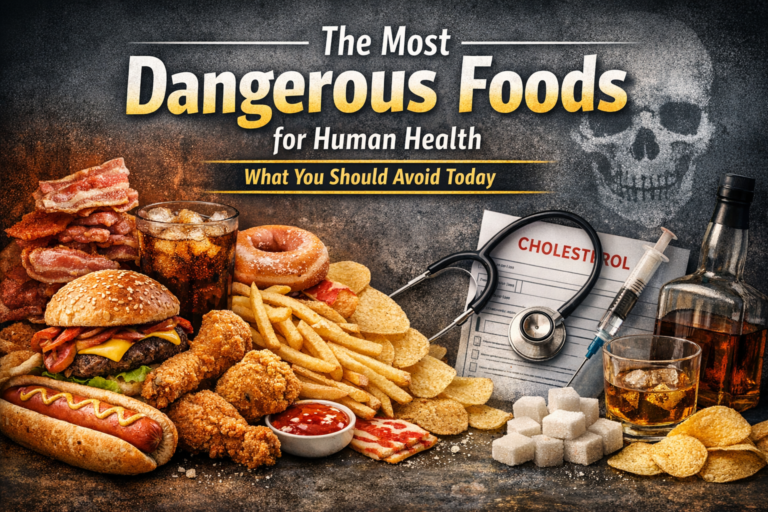
In our current environment, “ultra-processed” foods are often cheaper and more accessible than fresh produce. However, the long-term cost of a poor diet—including obesity, Type 2 diabetes, and hypertension—is far higher.
Strategies for Success:
- Meal Prepping: Dedicate time on weekends to prepare healthy meals. This reduces the temptation to order fast food during a busy work week.
- Reading Labels: Be wary of hidden sugars and sodium in “healthy” looking packages.
- The 80/20 Rule: Aim to eat nutrient-dense foods 80% of the time