Extreme Diets, Keto, and the Body: What Science Says
Extreme dieting can produce fast weight loss, but it often does so at a cost: muscle loss, slowed metabolism, nutrient deficiencies, digestive problems, and a higher risk of rebound weight gain.
The keto diet is not automatically “destructive,” but it is a very restrictive eating pattern that can help some people in the short term while creating real risks for others, especially when followed without medical supervision.
What Extreme Dieting Does to the BodyWhen calorie intake drops too low, the body does not only burn fat; it can also break down muscle for energy.
This is one reason rapid weight loss can leave people feeling weak, tired, and less able to maintain their results over time.
Severe restriction can also reduce metabolic rate, meaning the body may burn fewer calories at rest after the diet ends.
Why Crash Diets Feel So HarshCrash diets often strip away key nutrients, including fiber, vitamins, minerals, and essential fats.
That can lead to constipation, low energy, dizziness, irritability, and trouble concentrating.
In more serious cases, rapid and extreme weight loss has been linked to gallstones, heart rhythm problems, and other health complications.
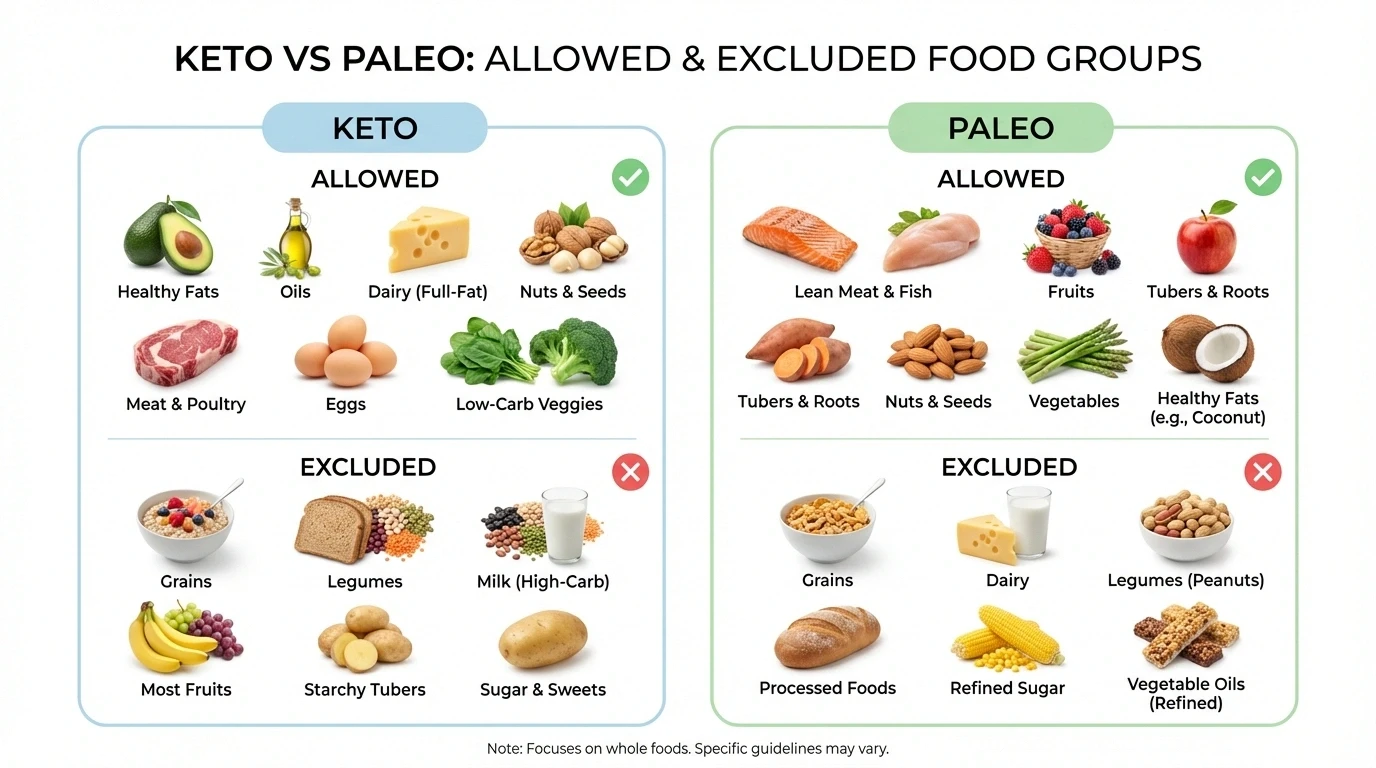
The Keto Diet: Benefit or Harm?Keto can have benefits in specific situations, especially short-term weight loss and blood sugar control in some people.
But it is also highly restrictive, and studies and expert reviews note possible downsides such as higher LDL cholesterol, nutrient deficiencies, constipation, “keto flu,” and difficulty sustaining the diet long term.
For people with kidney disease, pregnancy, liver issues, or cardiovascular risk, keto may be a poor fit or require close medical guidance.
Is Keto Destructive?Keto is not universally destructive, but it can become harmful when it is used as an aggressive, unsupervised crash diet.
The danger is usually not the diet name itself; it is the combination of severe restriction, poor food quality, and long-term unsustainability.
In other words, keto may help some people in a controlled setting, but it is not a magic solution and it is not suitable for everyone.
A Better Scientific ViewThe healthiest approach is usually not the fastest one. Moderate calorie reduction, enough protein, high-fiber foods, regular physical activity, and a diet that you can actually maintain are more likely to support fat loss without damaging muscle, mood, or metabolism.
For people considering keto or any extreme diet, the safest path is to treat it as a medical or structured nutrition strategy rather than a quick fix.
Article Angle You Can UseA strong headline for your site could be: “Crash Diets and Keto: Fast Results, Hidden Costs, and What the Science Really Says.”Another option: “Is Keto a Health Revolution or a Dangerous Shortcut?”Both are scientific, sharp, and attractive for readers looking for practical health content.