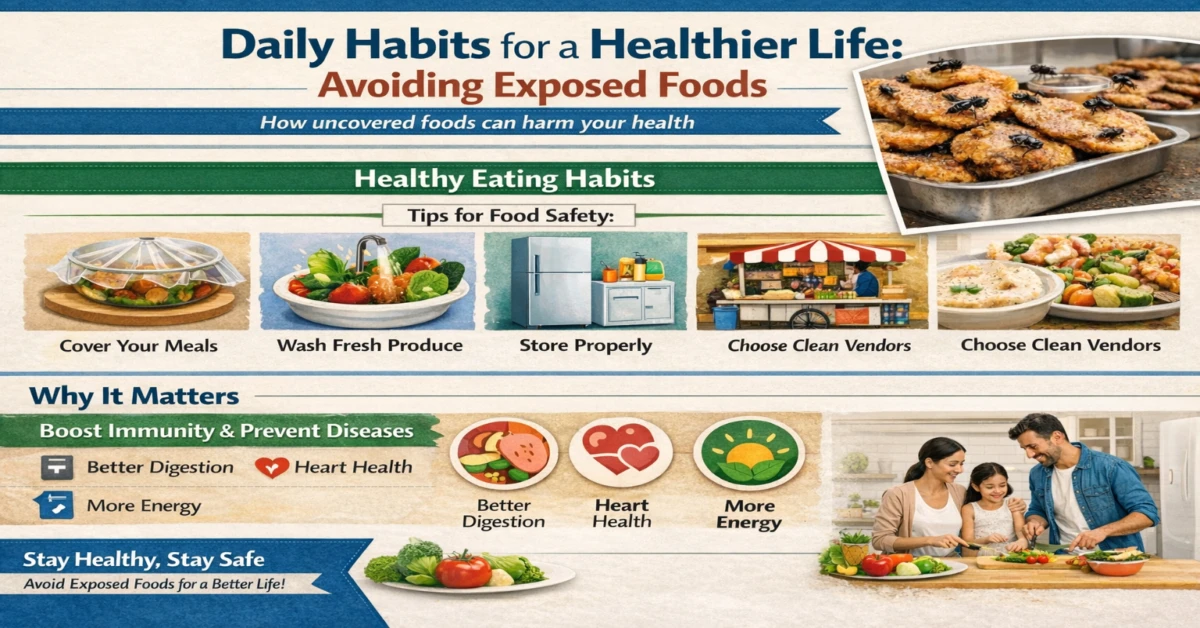
Daily Habits for a Healthier Life: Avoiding Exposed Foods
In our fast-paced world, daily habits play a crucial role in shaping our overall health and well-being. Among these habits, dietary choices are perhaps the most impactful. One practice that is often overlooked is the consumption of exposed or uncovered foods, which can pose significant risks to human health. Understanding how these foods affect your body and incorporating healthier eating routines can prevent diseases and improve longevity.
The Hidden Dangers of Exposed Foods
Exposed foods, whether left unwrapped in markets, at buffets, or even in kitchens, are highly susceptible to contamination. Microorganisms such as bacteria, viruses, and fungi can thrive on uncovered items, leading to foodborne illnesses. Common illnesses include salmonella, E. coli infections, and other gastrointestinal diseases.
Additionally, exposed foods can react with environmental pollutants, dust, and even chemical residues, increasing the risk of chronic health conditions. Long-term consumption of such foods may contribute to weakened immunity, digestive disorders, and even heart diseases.
Daily Habit Tip: Always ensure that fruits, vegetables, and ready-to-eat meals are properly covered and stored at appropriate temperatures. This simple habit significantly reduces the risk of contamination.
Building Healthy Eating Habits
Developing a consistent routine around food safety is key to a healthy lifestyle. Here are some daily habits to adopt:
- Cover Your Meals
Use lids, wraps, or containers to keep your food safe from contaminants. This habit is especially important for leftovers or pre-prepared meals. - Wash Fresh Produce Thoroughly
Fruits and vegetables should be rinsed under running water to remove dirt, pesticides, and bacteria. Using natural disinfectants like vinegar can add an extra layer of protection. - Mind Food Storage
Store perishable items in refrigerators or freezers promptly. Avoid leaving cooked or raw foods exposed to room temperature for more than two hours. - Choose Hygienic Vendors
When purchasing food, especially from markets or street vendors, ensure that hygiene standards are maintained. Avoid buying items that are left uncovered or exposed to dust and insects. - Plan Your Meals
Meal planning reduces the need to leave food exposed for long periods. Prepping meals in advance and storing them properly promotes both convenience and safety.
By following these daily habits, you not only protect yourself from immediate foodborne illnesses but also contribute to long-term health benefits.
Why Healthy Eating Habits Matter
Adopting healthy eating habits goes beyond avoiding foodborne diseases. A diet free from contaminated and exposed foods supports digestive health, strengthens the immune system, and improves mental clarity and energy levels. Studies indicate that consistent attention to food safety and quality reduces the risk of chronic conditions such as diabetes, cardiovascular diseases, and obesity.
Moreover, incorporating these habits into your lifestyle sets a positive example for family members, especially children. Teaching them to respect food hygiene and prioritize health instills lifelong beneficial routines.
Leveraging Technology for Healthier Choices
In today’s digital era, tools and online platforms can aid in maintaining safe and healthy eating habits. For example, using online converters and tools can help you plan nutritional intake, calculate portion sizes, or convert recipes for healthier alternatives. A useful resource is Fast Convert’s online tools, which, while primarily offering unit conversion and digital utilities, can indirectly support healthier routines by simplifying meal planning and nutritional calculations.