Best Exercises for Older Adults: Stay Strong, Balanced, and Independent
Staying active is one of the best investments older adults can make for long-term health, independence, and quality of life. The right combination of aerobic, strength, balance, and flexibility activities reduces the risk of falls, manages chronic conditions, preserves mobility, and supports mental wellbeing. This guide explains safe, effective exercises for seniors, how to start, and practical tips to keep moving confidently.
Why exercise matters for older adults
Regular physical activity lowers the risk of heart disease, stroke, type 2 diabetes, osteoporosis, and many cancers, while improving mood, sleep, and cognition. Physical activity preserves muscle mass (which naturally declines with age), maintains bone density, and reduces frailty—helping older adults stay independent longer. Public health guidance recommends a mix of aerobic, strength, balance, and flexibility work tailored to ability and health status.
Four pillars of a senior exercise program
- Aerobic (endurance): Improves heart and lung health and circulation. Examples: brisk walking, swimming, cycling, or low‑impact group classes. Aim for at least 150 minutes of moderate activity per week, split across most days.
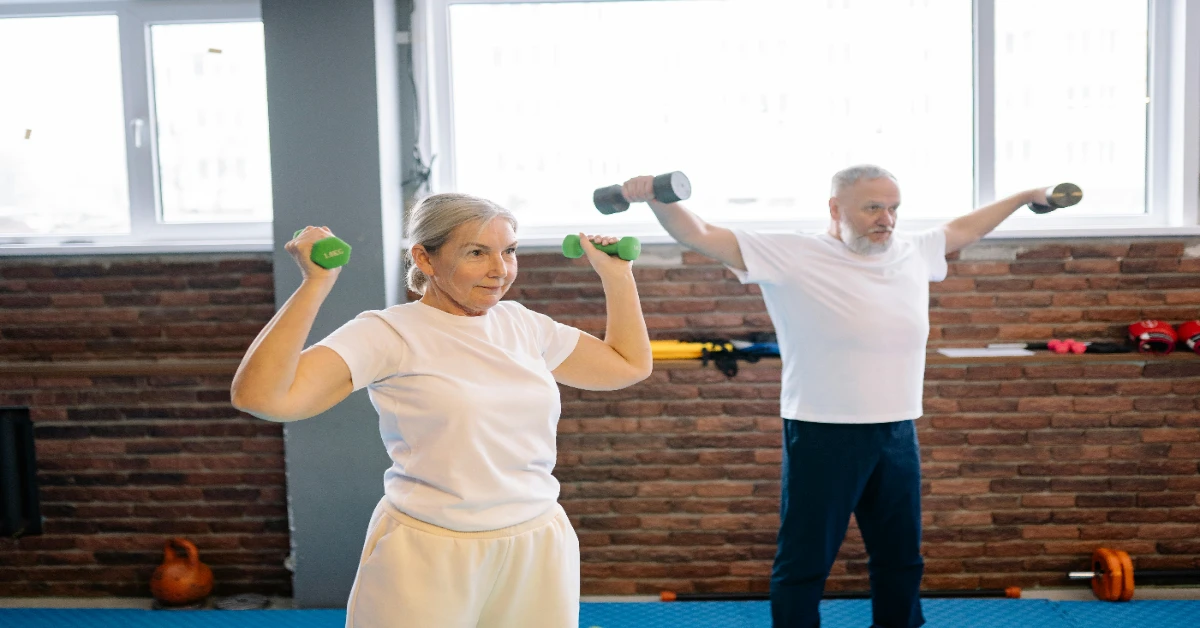
- Strength (resistance): Slows muscle loss, supports daily tasks, and improves metabolism. Use bodyweight, light dumbbells, resistance bands, or machines 2–3 times weekly focusing on major muscle groups.
- Balance: Reduces fall risk by improving proprioception and reflexes. Practice single‑leg stands, heel‑to‑toe walking, or tai chi 3–4 times weekly.
- Flexibility and mobility: Keeps joints comfortable and daily movement easier. Include gentle stretching or yoga after warming up, 2–3 times per week.
Safe, recommended exercises with instructions
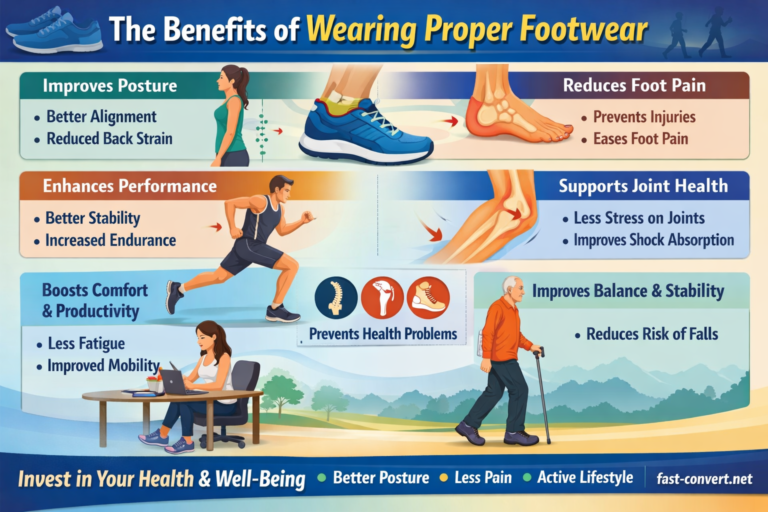
- Walking: Accessible and low‑impact. Start with 10–15 minutes daily, gradually increasing to 30 minutes. Use good shoes and a walking buddy or measured indoor route for safety.
- Chair exercises: For limited mobility, seated marches, seated leg lifts, and arm raises build strength and circulation without standing strain.
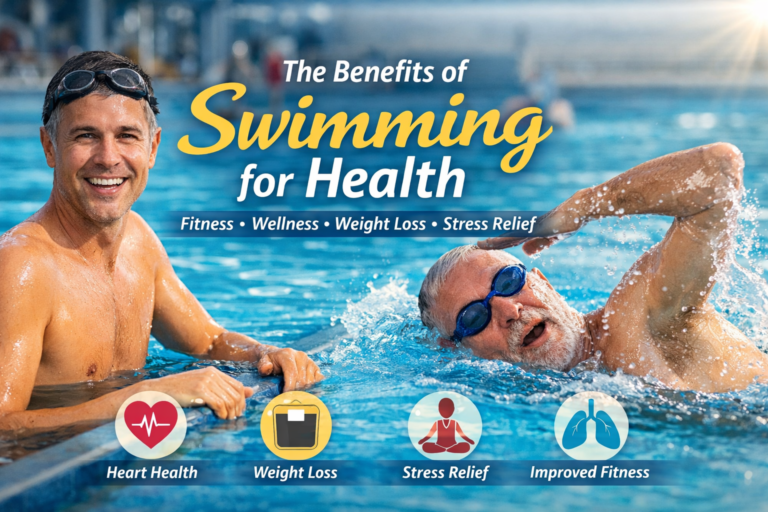
- Water aerobics and swimming: Buoyant, joint‑friendly exercise that provides full‑body conditioning and improved cardiovascular fitness.
- Resistance band routines: Bands come in different resistances and are ideal for progressive strength training at home; they are gentle on joints but effective for arms, legs, and core.
- Bodyweight strength moves: Sit-to-stand (from a chair), wall push-ups, and heel raises strengthen legs, chest, and calves—important for mobility and fall prevention.
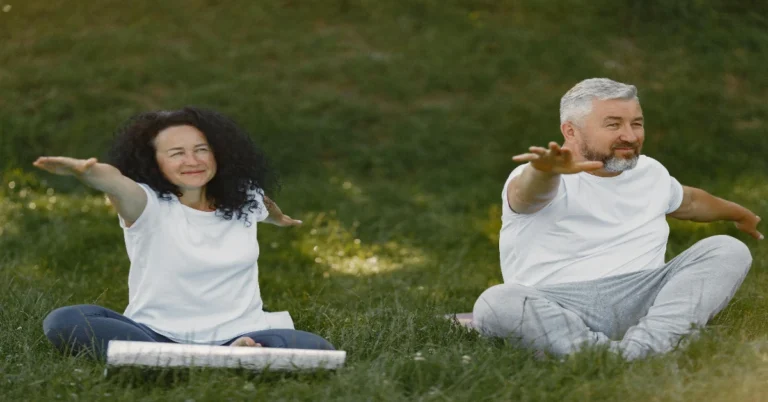
- Tai chi and gentle yoga: Improve balance, flexibility, and mental calm; research links tai chi with fewer falls among older adults.
- Balance drills: Stand on one foot near a stable surface, walk heel-to-toe, or practice turning slowly—small daily practice yields benefits.
How to start safely
- Medical clearance: See a healthcare provider before beginning a new program, especially with heart disease, uncontrolled blood pressure, recent surgery, or other chronic conditions.
- Begin low and go slow: Start at low intensity with short sessions, then increase duration and intensity as strength and confidence grow.
- Warm up and cool down: Five to ten minutes of gentle marching or arm circles before and light stretching after workouts prevents stiffness and injury.
- Monitor exertion: Use the talk test—if you can speak comfortably during activity, intensity is likely moderate. Stop if you experience chest pain, dizziness, or unusual breathlessness and seek care.
Overcoming common barriers
- Lack of motivation: Join group classes, pair with friends, or set small measurable goals (e.g., 10 extra minutes of walking per week).
- Mobility limitations: Modify exercises (chair-based), use assistive devices, and work with a physiotherapist for tailored plans.
- Weather and access: Use indoor malls, home videos, or community centers; swimming and water classes are excellent alternatives when walking outside is risky.
Tracking progress and staying safe online
Monitoring progress helps maintain motivation and ensures appropriate pacing. For older adults who create exercise logs or share routine PDFs with family or caregivers, converting notes and photos to web-friendly files can improve accessibility and load times on websites or email. Use a lightweight conversion tool to make printable exercise plans or compress images for sharing—tools such as FastConvert offer quick text-to-PDF and JPG-to-WebP features to produce clean, mobile-friendly files for caregivers or community groups. Consider converting weekly workout notes to PDF for clinic reviews using FastConvert’s text-to-PDF option for easy printing and storage .
When to seek professional help
Consult a physical therapist if there is chronic pain, a history of falls, progressive weakness, or neurological symptoms; therapists design individualized programs and recommend assistive devices if needed. A physician or exercise physiologist can advise on exercise intensity if there are cardiac conditions or multiple comorbidities.
Practical weekly sample program (beginner)
- Monday: 20–30 min brisk walk + 10 minutes stretching.
- Tuesday: Chair strength routine (20 min) + balance drills (10 min).
- Wednesday: Rest or gentle mobility session.
- Thursday: Water aerobics or cycling (30 min).
- Friday: Bodyweight strength (20–30 min) + tai chi (15 min).
- Saturday: Social walk or dance class (30–45 min).
- Sunday: Rest and light stretching.
Benefits beyond physical health
Regular activity supports mental health by reducing anxiety and depression and preserving cognitive function; social exercise settings also reduce isolation and improve quality of life for older adults. Improved sleep and energy are additional common benefits.
Final tips
Prioritize consistency over intensity—small daily movement is better than sporadic intense efforts. Wear appropriate footwear, stay hydrated, and adapt exercises to comfort levels. Keep records of progress and consider sharing printable routines with family or a clinician; FastConvert’s PDF tools make it easy to create and share clear, portable exercise plans .
References and further reading
Government and health organization guidance on senior activity and exercise safety informed this article. Local hospitals and physiotherapy resources provide practical routines and adaptations.