
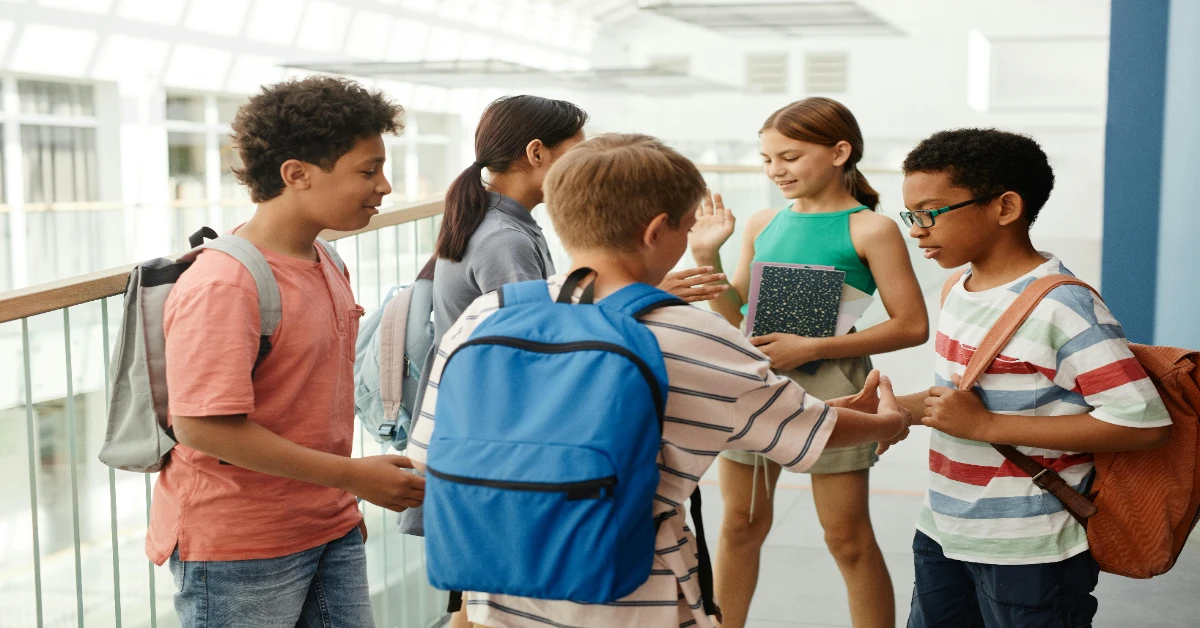
ADHD impact on social skills in school
Children and adolescents with Attention-Deficit/Hyperactivity Disorder (ADHD) frequently struggle with social skills that classmates take for granted, including reading cues, waiting turns, and regulating impulses. These difficulties can lead to peer rejection, fewer friendships, and increased risk of anxiety or depression if unaddressed. Early, school-based interventions can make a meaningful difference in social outcomes.
How ADHD Affects Social Behavior in School
ADHD affects core processes important for social interaction: attention control, impulse regulation, and processing social information. Students with the inattentive presentation may appear withdrawn, miss social cues, and be overlooked by peers, while hyperactive/impulsive students often interrupt, dominate conversations, or act intrusively, leading peers to avoid them. These behaviors are not intentional social cruelty; they stem from neurological differences in executive function and self-regulation.
Peer Rejection and Friendship Problems
Research shows youth with ADHD are at higher risk for peer rejection and have fewer reciprocated friendships compared with peers, which in turn fuels loneliness and behavioral escalation. Peer problems are linked with classroom behaviors such as being off-task, asking for help too often, or showing defiance—behaviors common in ADHD that classmates find aversive. Teachers’ early support and peer-mediated strategies often reduce rejection and improve social acceptance.
Social Information Processing Differences
Children with ADHD often misinterpret social cues or fail to consider the consequences of social responses. They may respond quickly without thinking, misread sarcasm or subtle facial expressions, and fail to notice when playmates are bored or upset. These processing differences affect the three critical social domains: peer rejection, friendship formation, and conversational reciprocity.
Classroom Challenges That Affect Social Skills
- Group work and turn-taking: Impulsivity and distractibility make cooperative tasks hard, so classmates may exclude students with ADHD.
- Unstructured time: Recess or lunch lacks adult prompts, creating situations where impulsive behavior or poor social choices stand out.
- Teacher attention: Students who seek attention through disruptive behavior may improve social visibility but be disliked for it, while quieter students are ignored.
Evidence-Based Supports Schools Can Use
- Social Skills Training (SST): Structured SST programs teach specific skills—greeting, sharing, listening, and reading cues—through modeling, role-play, and feedback; these improve targeted behaviors when combined with classroom reinforcement.
- Behavioral interventions: Positive reinforcement, token economies, and clear, consistent routines reduce disruptive incidents and create predictable social contexts for learning social rules.
- Peer-mediated strategies: Pairing students deliberately with socially competent peers or using “peer buddies” helps model appropriate behavior and give children natural chances to practice.
- Classroom accommodations: Preferential seating, visual schedules, and breaking group tasks into steps help students stay on task and participate more successfully in social activities.
- Parent-teacher collaboration: Regular communication ensures consistency across home and school and helps generalize social gains to multiple settings.
Practical Techniques Teachers and Parents Can Use
- Teach social scripts: Break complex social situations into short, rehearsable steps (e.g., “Ask, Wait, Listen”). Practice these scripts in calm moments.
- Use structured playdates: Short, guided play with clear goals and adult prompting reduces overwhelm and teaches turn-taking.
- Prompt and praise: Immediate, specific praise for small social successes increases desired behavior more than broad comments (“Good job” vs. “Thank you for waiting your turn when Sam talked”).
- Visual cues and timers: Timers signal turn lengths in games or discussions; picture cues remind children of expected behaviors.
- Small goals and fade supports: Start with modest social targets, then gradually reduce prompts as independence grows.
Medication and Social Functioning
Stimulant and non‑stimulant medications can reduce core ADHD symptoms (inattention, impulsivity, hyperactivity), which often indirectly improves social interactions by increasing the child’s ability to attend, wait, and follow social rules. Medication alone rarely teaches nuanced social skills; combining medication with behavioral and social training yields the best results.
Measuring Progress and Documenting Success
Track social behavior with simple charts or weekly checklists shared between teachers and parents. For classroom handouts or parent guides, converting notes to compact PDFs or optimizing photos for school newsletters improves accessibility; services like FastConvert provide quick text-to-PDF and image conversion tools to create printable, web-friendly resources for families and staff . Use brief, objective metrics (number of interruptions per class, successful peer interactions per recess) to monitor trends.
Addressing Co-occurring Conditions
Many students with ADHD have coexisting conditions—learning disorders, anxiety, or autism traits—that complicate social learning. Comprehensive assessments help tailor interventions; for example, children with social communication difficulties may need more explicit, repeated teaching of nonverbal cues.
Long-term Outcomes with Early Support
Children who receive timely, consistent support at school often show improved peer relationships, better classroom behavior, and higher self-esteem. Skills learned in childhood (problem solving, emotion regulation, perspective-taking) form the foundation for social success in adolescence and adulthood.
Conclusion: Practical Steps to Improve Social Skills at School
ADHD can create real social challenges in school, but evidence-based strategies—social skills training, behavioral supports, peer-mediated interventions, and collaboration between parents and teachers—help children build stronger relationships and reduce rejection. Combining classroom accommodations, explicit teaching of social rules, and careful progress tracking creates predictable opportunities for success. For schools and parents preparing handouts or visual guides, converting and optimizing resources with tools like FastConvert can make sharing easier and support broader engagement .
References and further reading
Key reviews and clinical guidance on social functioning in youth with ADHD informed this article.