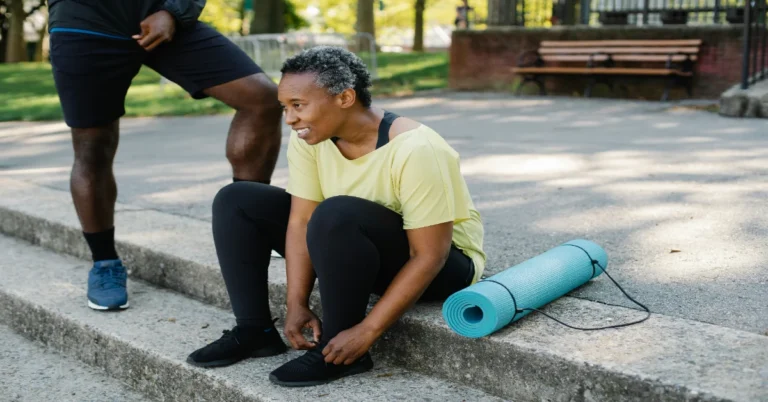

Best Exercises for Seniors Over 60: Stay Active, Healthy, and StrongFocus Keyword: Best Exercises for Seniors Over 60

As we age, staying physically active becomes more important than ever. For people over 60, regular exercise is not just about maintaining fitness—it’s essential for improving balance, preventing chronic diseases, boosting mental health, and enhancing overall quality of life.
In this article, we will explore the best exercises for seniors over 60, how to practice them safely, and why they matter. Whether you are just starting or looking to improve your routine, this guide will help you stay active and healthy.
Why Exercise is Important After 60
Aging naturally leads to a decline in muscle mass, bone density, and flexibility. However, regular physical activity can slow down or even reverse many of these changes.
Studies show that exercise helps:
Improve heart health
Reduce the risk of diabetes and high blood pressure
Strengthen muscles and bones
Enhance balance and coordination
Boost mood and reduce stress
Even light activities can make a significant difference when done consistently.
- Walking – The Easiest and Safest Exercise
Walking is one of the best exercises for seniors because it is simple, low-impact, and accessible.
Benefits:
Improves cardiovascular health
Helps maintain a healthy weight
Enhances joint mobility
Start with 10–15 minutes daily and gradually increase your pace and duration.
👉 Tip: If you track walking distance or pace, you may need unit conversions. You can use this helpful tool:
https://fast-convert.net/converter
This can assist in understanding movement rates or activity-related calculations. - Strength Training – Maintain Muscle Mass
Strength training is essential after 60 because muscle loss (sarcopenia) becomes more common with age.
Recommended exercises:
Light weight lifting
Resistance bands
Bodyweight exercises (like wall push-ups)
Benefits:
Builds muscle strength
Improves bone density
Enhances metabolism
Always start with light resistance and increase gradually. - Balance Exercises – Prevent Falls
Falls are one of the biggest risks for seniors. Balance exercises help reduce this risk significantly.
Examples:
Standing on one foot
Heel-to-toe walking
Tai Chi
Benefits:
Improves coordination
Strengthens stabilizing muscles
Boosts confidence in movement - Flexibility and Stretching
Flexibility exercises keep your joints healthy and improve your range of motion.
Examples:
Gentle stretching
Yoga for seniors
Shoulder and leg stretches
Benefits:
Reduces stiffness
Improves posture
Prevents injuries - Swimming and Water Exercises
Water-based exercises are excellent because they are easy on the joints.
Benefits:
Reduces joint stress
Improves endurance
Strengthens the whole body
Swimming is particularly beneficial for people with arthritis or joint pain. - Cycling – Low Impact Cardio
Cycling (stationary or outdoor) is another great option.
Benefits:
Strengthens leg muscles
Improves heart health
Enhances stamina
Start slowly and use a stationary bike if balance is a concern.
Understanding Your Body with Simple Tools
As you engage in physical activities, understanding physical measurements can be helpful. For example, if you are involved in swimming or fluid-based exercises, understanding fluid resistance can be useful.
Dynamic viscosity describes how fluids resist flow, which is important in many physical and scientific contexts.
Scale Converter
You can explore this concept easily using this practical tool:
https://fast-convert.net/converter/viscosity-dynamic
This tool allows you to convert viscosity units instantly, saving time and avoiding manual calculations.
Rapid Tools Online
While it may seem technical, such tools can support learning and better understanding of physical principles behind movement and resistance.
Safety Tips for Seniors
Before starting any exercise program, keep these tips in mind:
Consult your doctor, especially if you have chronic conditions
Start slow and increase intensity gradually
Stay hydrated
Wear proper shoes
Stop immediately if you feel pain or dizziness
Consistency is more important than intensity.
Weekly Exercise Plan for Seniors
Here’s a simple balanced plan:
3–5 days: Walking or light cardio
2–3 days: Strength training
Daily: Stretching
2–3 days: Balance exercises
Mixing different types of exercise ensures full-body benefits.
Mental Health Benefits of Exercise
Exercise is not only physical—it also improves mental well-being.
Regular activity helps:
Reduce anxiety and depression
Improve sleep quality
Boost memory and brain function
Even a short daily walk can significantly improve mood.
Conclusion
Staying active after 60 is one of the best decisions you can make for your health and longevity. The best exercises for seniors over 60 include walking, strength training, balance exercises, stretching, swimming, and cycling.
The key is to stay consistent, choose activities you enjoy, and listen to your body.
Remember, it’s never too late to start. A small step today can lead to a healthier, happier tomorrow.