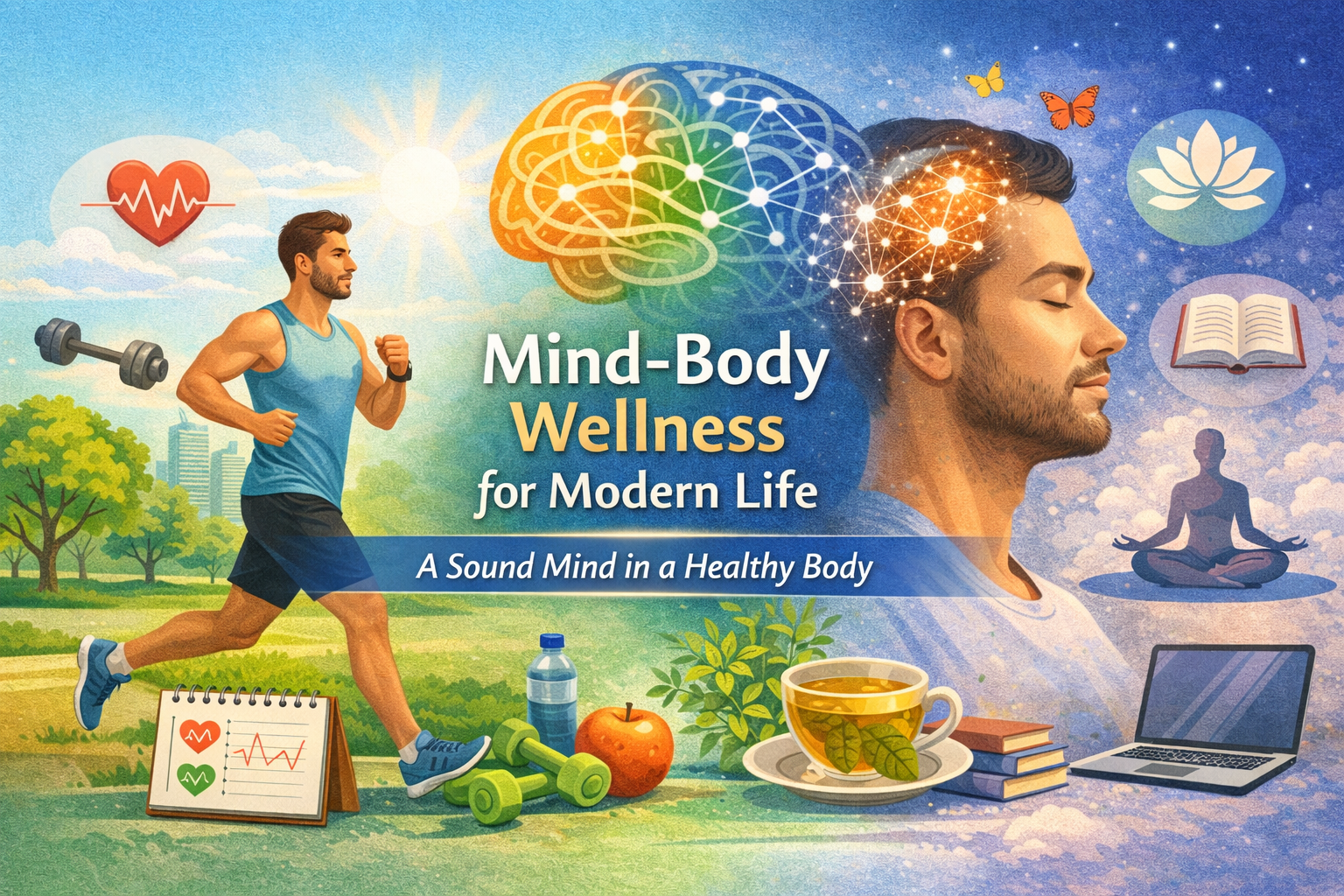
Mind‑Body Wellness for Modern Life: The Science of “A Sound Mind in a Healthy Body”
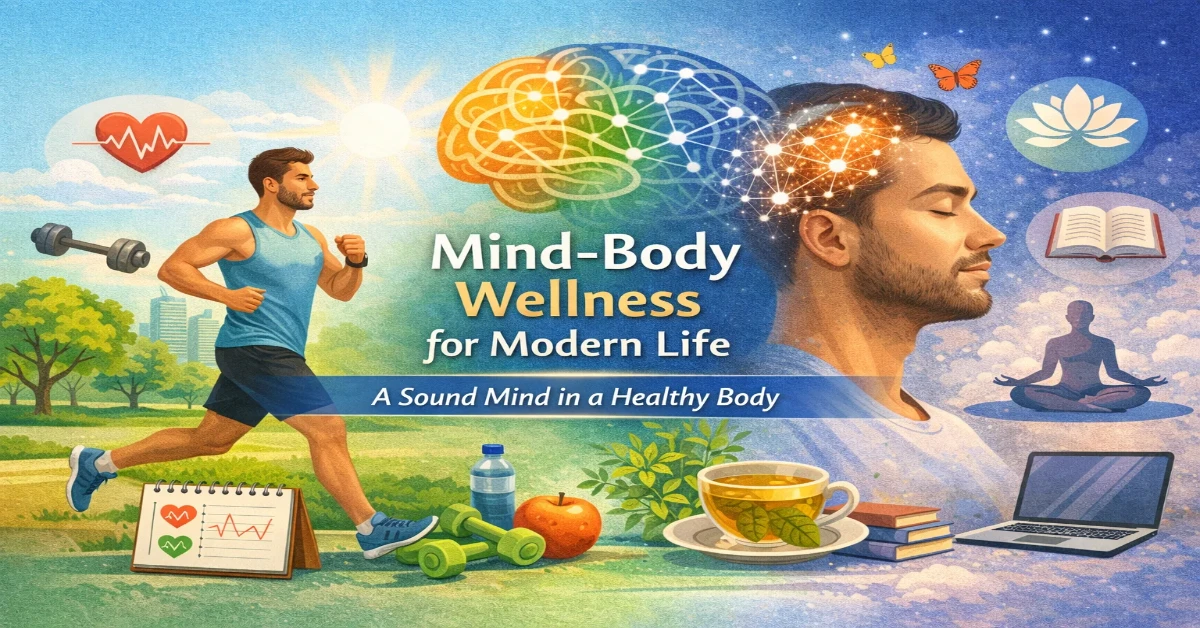
In today’s fast‑paced world, the phrase “a sound mind in a healthy body” has never been more relevant. This ancient idea, rooted in the belief that mental clarity and physical well‑being are deeply connected, is now supported by scientific research and modern wellness practices. Whether you’re a student, athlete, working professional, or lifelong learner, understanding and nurturing Mind‑Body Wellness for Modern Life can transform your health, productivity, and happiness.
What Does “A Sound Mind in a Healthy Body” Really Mean?
At its core, the phrase emphasizes that mental health and physical fitness are interconnected, not separate. A physically active lifestyle not only strengthens muscles and improves endurance, but also nourishes the brain. Conversely, good mental health motivates positive choices in diet, sleep, stress management, and physical activity.
Consider this: exercise triggers the release of neurotransmitters like dopamine and serotonin, which improve mood and lessen anxiety. Studies show that people who exercise regularly report lower rates of depression and stress compared to those with sedentary lifestyles. This is why health professionals increasingly recommend physical activity as part of mental health treatment plans.
Physical Health: The Foundation of Mental Clarity
Physical health is a cornerstone of overall wellness. Regular exercise helps:
- Strengthen the cardiovascular system
- Improve immunity and reduce inflammation
- Enhance sleep quality
- Boost energy levels
- Lower the risk of chronic diseases like obesity, diabetes, and hypertension
One easy way to track personal health data—like heart rate, steps, or BMI—is by converting health reports into editable formats (PDF → Word, Excel → PDF) using online tools. For example, you can use Fast‑Convert’s PDF to Word converter to edit fitness reports or health journals:
👉 PDF to Word (Fast‑Convert): https://fast-convert.net/pdf-to-word
This type of conversion tool allows you to take scanned health notes or downloadable reports and transform them into editable documents you can update with personal goals or results.
Mind Health: The Power of Mental Fitness
A sound mind is more than freedom from illness—it’s the ability to think clearly, learn, adapt, and handle stress. Mental fitness includes:
- Emotional regulation
- Focus and memory
- Stress resilience
- Self‑awareness
Maintaining mental fitness requires intentional habits:
1. Mindfulness & Meditation
Mindfulness practices, even for ten minutes a day, can reduce stress and improve focus. Meditation enhances neural pathways related to memory and emotional regulation.
2. Reading and Mental Stimulation
Just like muscles, the brain needs regular workouts. Reading, puzzles, language learning, and creative hobbies sharpen cognition and memory function.
3. Social Connection
Strong social relationships support emotional well‑being. Peer support, meaningful conversations, and group activities create a sense of belonging that reduces anxiety and depression.
Nutrition: Fuel for Body and Brain
What we eat affects not just our body, but our brain chemistry. A balanced diet rich in whole foods like fruits, vegetables, lean proteins, and healthy fats nourishes neurons and stabilizes mood.
A helpful tip is to keep digital health records of daily food intake or nutrient analysis. Many health apps generate exportable charts or PDFs of dietary data. To make these files easier to share or update, you can use document conversion tools. For instance, converting a PDF food diary to Excel can assist in tracking patterns:
This allows you to organize food logs into spreadsheets for clearer trend analysis—empowering better nutrition decisions.
Sleep: The Body’s Reset Button
Sleep is one of the most under‑appreciated pillars of health. During sleep, the brain consolidates memories, clears toxins, and repairs cells. Lack of sleep undermines mood, focus, immune function, and long‑term health.
If you track sleep using wearable devices or apps, you might download reports in formats like CSV or PDF. These can then be converted into charts or summaries using tools such as:
This makes your sleep data easier to interpret and share with health professionals.
Stress Management: Balancing Modern Life
Stress is a natural response, but chronic stress can harm both body and mind. Techniques like deep breathing exercises, progressive muscle relaxation, and scheduled breaks improve mental health and physical recovery.
Balancing school, work, family, and social life is essential. Setting realistic goals, prioritizing tasks, and allowing time for self‑care contribute to overall well‑being. The phrase “a sound mind in a healthy body” isn’t just motivational—it’s practical guidance for everyday life.
Technology and Health: Tools to Support Wellness
We live in an age where technology can help us track and improve health. Fitness trackers, apps for meditation, meal planners, and data analytics make it easier to understand our bodies. But sometimes we need to manage, edit, or share digital health files—and that’s where online conversion tools become useful.
Fast‑Convert provides reliable services for file conversions across formats, which can help organize health data:
👉 Convert to PDF (Fast‑Convert): https://fast-convert.net/convert-to-pdf
👉 Image to PDF (Fast‑Convert): https://fast-convert.net/image-to-pdf
👉 Word to PDF (Fast‑Convert): https://fast-convert.net/word-to-pdf
Whether you’re preparing a health report, organizing fitness plans, or keeping personal health records, these tools support your wellness journey.
Conclusion: A Balanced Approach to Wellness
The connection between mind and body is profound: each influences the other in countless ways. By prioritizing physical activity, nourishing nutrition, restorative sleep, mental stimulation, and stress management, you cultivate a sound mind in a healthy body—a foundation for happiness, productivity, and resilience in modern life.
Remember, wellness is a journey, not a destination. Use your resources, leverage technology to track progress, and stay committed to habits that support both mental and physical health. Mind‑Body Wellness for Modern Life isn’t a slogan—it’s a lifestyle.