
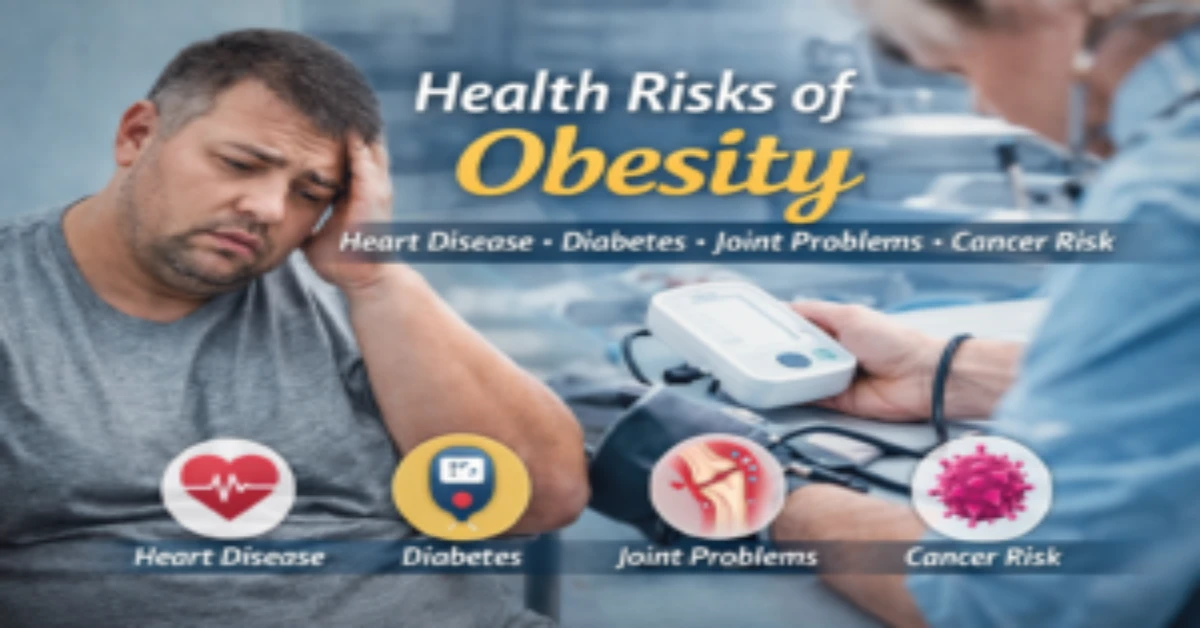
The Hidden Dangers of Obesity: How Excess Weight Impacts Your Health and Life
Obesity has become one of the most serious global health challenges of the 21st century. With modern lifestyles becoming increasingly sedentary and unhealthy eating habits on the rise, more people are facing the consequences of excess weight. While obesity is often discussed in terms of appearance, the real concern lies in its impact on overall health.
In this article, we will explore the health risks of obesity, how it affects the body and mind, and why taking action early is crucial for a healthier future.
1. Increased Risk of Heart Disease
One of the most dangerous effects of obesity is its strong connection to cardiovascular diseases. Excess body fat, especially around the abdomen, can lead to:
- High blood pressure
- Elevated cholesterol levels
- Narrowed arteries
These factors significantly increase the risk of heart attacks and strokes. The heart has to work harder to pump blood, which puts long-term strain on the cardiovascular system.
To better understand your health condition, you can calculate your body mass index (BMI) here:
👉 https://fast-convert.net/calculators/bmi
Knowing your BMI is a simple first step toward identifying whether your weight is in a healthy range.
2. Type 2 Diabetes and Insulin Resistance
Obesity is one of the leading causes of type 2 diabetes. Excess fat affects how the body uses insulin, leading to insulin resistance. Over time, this results in high blood sugar levels.
People with obesity are significantly more likely to develop diabetes, which can cause:
- Nerve damage
- Kidney failure
- Vision problems
Managing your weight plays a critical role in preventing or controlling this condition.
3. Joint Problems and Reduced Mobility
Carrying excess weight puts enormous pressure on the joints, particularly the knees, hips, and lower back. This can lead to:
- Osteoarthritis
- Chronic pain
- Reduced flexibility
Even simple daily activities like walking or climbing stairs can become difficult. Over time, this reduces physical activity, creating a cycle that worsens obesity.
4. Breathing Difficulties and Sleep Apnea
Obesity can interfere with normal breathing patterns. One common condition associated with excess weight is sleep apnea, where breathing repeatedly stops and starts during sleep.
This leads to:
- Poor sleep quality
- Daytime fatigue
- Increased risk of heart disease
Monitoring your overall health metrics, including weight and activity levels, can be supported using tools like:
👉 https://fast-convert.net/calculators/calorie
This helps you understand how many calories your body needs to function properly.
5. Negative Impact on Mental Health
The effects of obesity are not only physical—they also deeply affect mental well-being. Many individuals with obesity experience:
- Low self-esteem
- Anxiety and depression
- Social isolation
Societal pressure and stigma can worsen these feelings, making it harder for individuals to seek help or maintain motivation for change.
Taking small, manageable steps toward a healthier lifestyle can significantly improve both physical and mental health.
6. Increased Risk of Certain Cancers
Research has shown that obesity is linked to a higher risk of several types of cancer, including:
- Breast cancer
- Colon cancer
- Liver cancer
Excess fat tissue can produce hormones and inflammatory substances that may promote cancer development.
Maintaining a healthy weight is one of the most effective ways to reduce cancer risk.
7. Hormonal Imbalances
Obesity can disrupt the body’s hormonal balance, affecting both men and women.
In women, it may cause:
- Irregular menstrual cycles
- Fertility issues
In men, it may lead to:
- Reduced testosterone levels
- Decreased muscle mass
Hormonal imbalances can further complicate weight management, making early intervention even more important.
8. Reduced Energy Levels and Productivity
Carrying excess weight often leads to fatigue and low energy levels. This can affect daily productivity, work performance, and overall quality of life.
Simple tasks may feel exhausting, and motivation for physical activity decreases. Over time, this contributes to a sedentary lifestyle, which worsens the problem.
You can better manage your daily schedule and activity balance using tools like:
👉 https://fast-convert.net/calculators/time
9. Shortened Life Expectancy
Perhaps the most serious consequence of obesity is its impact on lifespan. Studies consistently show that obesity is associated with a higher risk of premature death due to complications like heart disease, diabetes, and cancer.
However, the good news is that even modest weight loss can lead to significant health improvements.
10. Economic and Lifestyle Burden
Obesity also has financial and lifestyle consequences, including:
- Increased medical expenses
- Reduced work efficiency
- Lower quality of life
Managing obesity requires long-term commitment, but the benefits far outweigh the challenges.
Conclusion
The health risks of obesity go far beyond physical appearance—they affect nearly every system in the body, from the heart and lungs to mental health and overall longevity.