Can Exercise Provide a Permanent Cure for Diabetes?
Diabetes affects over 500 million people globally, with type 2 diabetes (T2D) accounting for 90-95% of cases, often linked to insulin resistance from poor diet, inactivity, and excess weight. The question of a “permanent cure” through exercise alone sparks intense debate—while no magic bullet erases diabetes forever for everyone, robust evidence shows regular physical activity can induce remission, reverse symptoms, and dramatically reduce or eliminate medication needs in many, especially early-stage patients.
Exercise isn’t just supportive; it rewires metabolism at the cellular level, making it a cornerstone of modern diabetes management alongside diet. Leading organizations like the American Diabetes Association (ADA) and International Diabetes Federation (IDF) endorse it as essential, with studies proving sustained activity rivals drugs in glycemic control. But is it truly “permanent”? Let’s dive into the science, realistic expectations, and actionable strategies.
The Science of Exercise and Diabetes Remission
T2D occurs when muscle, fat, and liver cells ignore insulin, causing high blood glucose (hyperglycemia). Exercise flips this script: muscle contractions trigger GLUT4 transporters to pull glucose inside without insulin, dropping blood sugar immediately. Over time, it boosts insulin sensitivity via AMPK activation, mimicking fasting’s metabolic reset.
Key studies illuminate remission potential:
- The DiRECT trial (2018) achieved 46% T2D remission at 1 year using calorie restriction plus exercise; 36% sustained it at 2 years.
- A Weill Cornell study reported 61% remission after one year of intensive lifestyle changes including physical activity.
- McMaster University research found 40% reversal via exercise, calorie cuts, and glucose monitoring.
Remission means HbA1c <6.5% off medications for at least 3 months. HIIT and resistance training shine: a Diabetes Care meta-analysis showed 0.7-1% HbA1c drops, comparable to metformin. Long-term, it preserves beta-cell function, delaying insulin therapy. However, relapse hits 50% without maintenance—genetics, disease duration (>10 years), and weight regain play roles. No evidence supports exercise curing type 1 diabetes, which is autoimmune.
Why Exercise Delivers Near-Permanent Benefits for Many
Unlike short-term fixes, exercise builds lasting muscle mass—a “glucose sink” burning 20-30g carbs/hour during activity. Chronic effects include:
- Improved Insulin Sensitivity: Up to 48 hours post-workout.
- Beta-Cell Protection: Reduces apoptosis by 30%.
- Anti-Inflammatory Effects: Lowers cytokines like TNF-alpha.
A Lancet review confirmed 30-50% remission in early T2D with 200+ min/week vigorous activity. Italian data showed walking programs cutting NHS costs via fewer complications. For prediabetes, exercise slashes progression risk by 58%.
Optimal Exercises for Lasting Diabetes Control
ADA guidelines: 150-300 min/week moderate aerobic + 2-3 resistance sessions. Mix prevents boredom, maximizes benefits.
Aerobic Powerhouses
- Brisk Walking: 30 min/day lowers fasting glucose 20-30 mg/dL; accessible anywhere.
- Cycling/Swimming: 20-40 min, 3-5x/week; low-impact for joints.
- HIIT: 4×4-min intervals (e.g., sprint-walk); superior HbA1c reduction.
Resistance and Strength Builders
- Weights/Bands: Squats, deadlifts, presses; 3 sets 8-12 reps. Doubles muscle insulin sensitivity.
- Bodyweight: Push-ups, planks, lunges; home-friendly.
Mind-Body Integration
- Yoga/Tai Chi: 20-30 min/day cuts stress cortisol, aiding control.
Sample 7-Day Routine for Remission Pursuit
Track glucose pre/post; target 100-180 mg/dL start.
Digital Hacks for Exercise Adherence
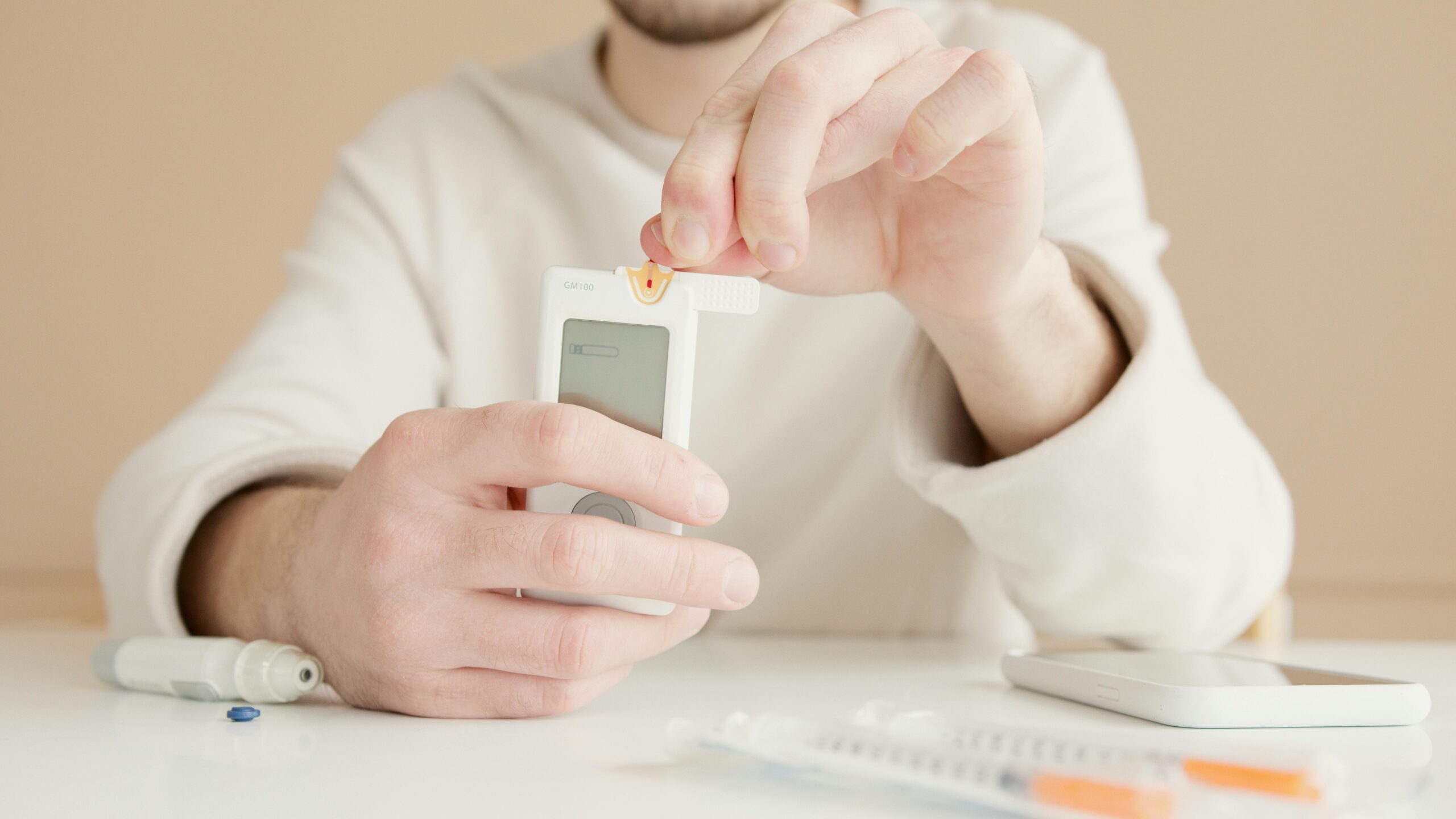
Sustaining momentum is crucial for “permanent” gains. Record quick workout videos to check form, then use https://fast-convert.net/ to convert them to compact GIFs or slower-motion clips for self-review—no apps needed. Diabetics can snap glucometer readings, convert images to editable text spreadsheets for trend tracking, or turn voice-logged energy levels into shareable PDFs for endocrinologist consults.
This smart, free tool streamlines progress without data hogs, perfect for busy lives in regions like the Middle East where heat limits outdoor time.
Safety Essentials: Avoiding Pitfalls
- Hypoglycemia: Carbs if <100 mg/dL pre-exercise; glucagon handy.
- Hyperglycemia: Delay if >250 mg/dL + ketones.
- Feet/Heart: Proper shoes; cardiac clearance if risks.
- Hydration: Extra 0.5-1L/hour; avoid midday heat.
Adjust meds (e.g., reduce insulin 20-50%).
Real-World Proof and Challenges
Success stories abound: 60% in structured programs achieve remission. Look AHEAD trial: 11.5% at year 1, sustained with adherence. Challenges include motivation dips (fix: accountability partners), plateaus (vary intensity), relapse (habit stacking).
Milestones:
Myths Debunked
- Myth: Exercise alone remits. Reality: Diet amplifies; standalone lowers HbA1c but needs combo for cure-like results.
- Myth: Intense always better. Reality: Moderate sustains long-term.
- Myth: Too late for old cases. Reality: Benefits scale with adherence.
The Verdict: Permanent for the Committed
Exercise offers no universal permanent cure—diabetes is chronic—but for many with early T2D, it delivers remission rivaling surgery (e.g., bariatrics: 70%). Paired with diet, it reclaims normalcy, slashing CVD/nephropathy risks. Start today: consistency trumps perfection. Consult pros; your body thanks you.