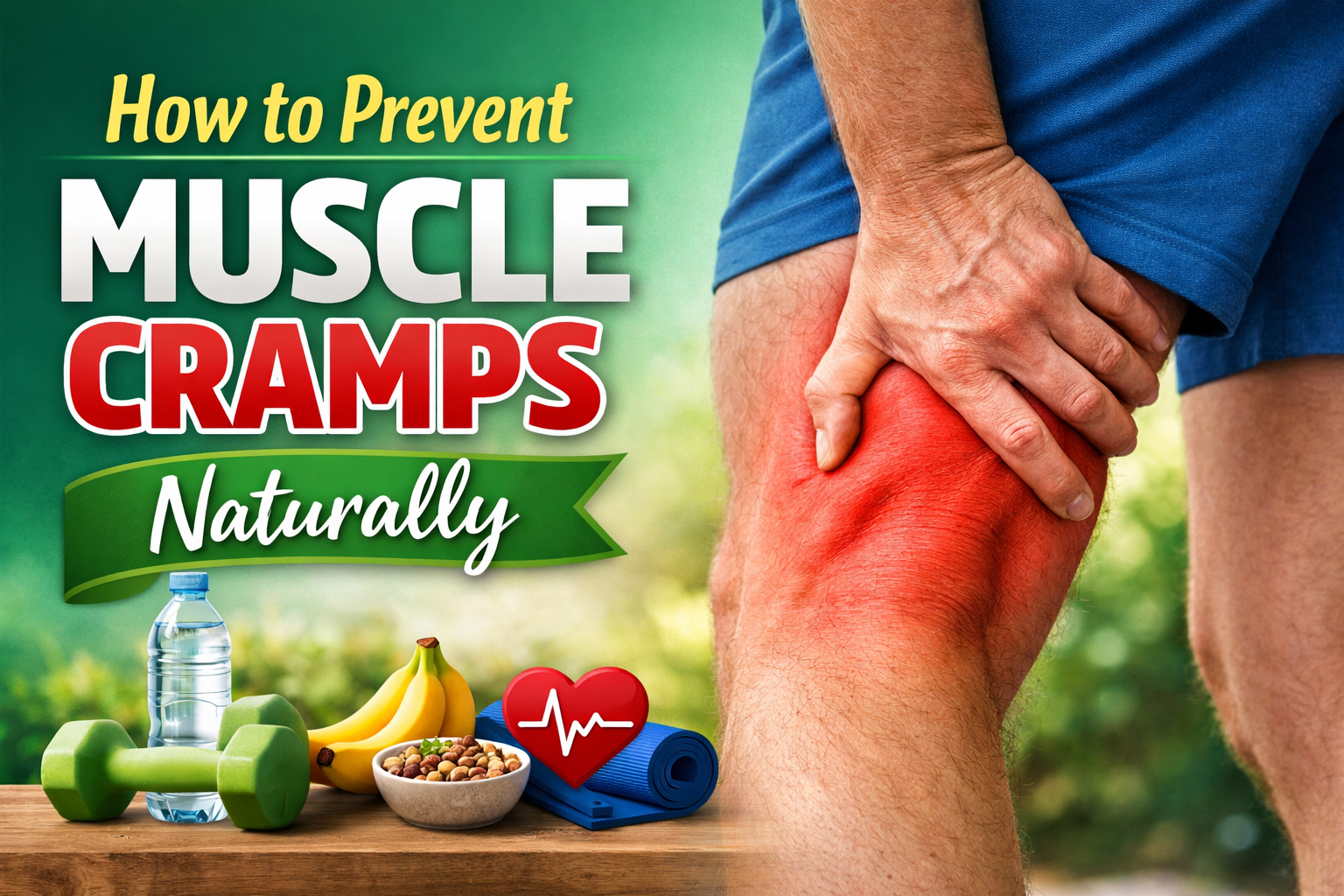
Muscle Cramps at Night? Try These 7 Natural Fixes”
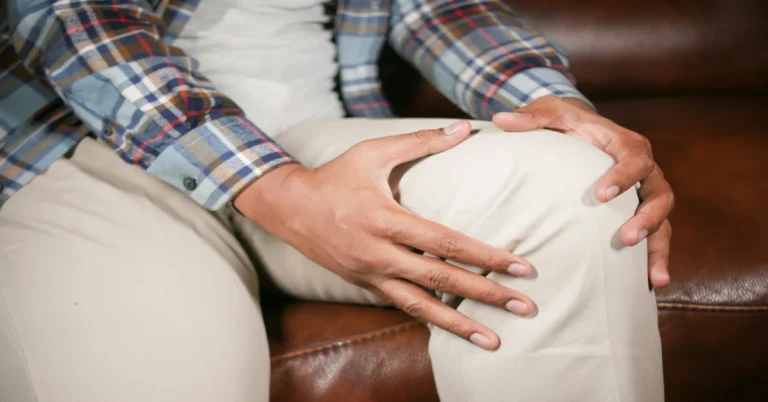
Muscle cramps are sudden, involuntary contractions that can cause intense pain and discomfort. Whether you experience them during exercise, at night, or even while resting, they can disrupt your daily life. Fortunately, there are effective and natural ways to prevent muscle cramps and maintain healthy muscle function.
In this comprehensive guide, you’ll learn how to prevent muscle cramps naturally, the causes behind them, and the best daily habits to keep your muscles strong and relaxed.
What Causes Muscle Cramps?
Understanding the root cause is the first step toward prevention. Muscle cramps can occur due to several reasons:
- Dehydration
- Electrolyte imbalance (low potassium, magnesium, or sodium)
- Poor blood circulation
- Muscle fatigue or overuse
- Lack of stretching
For example, maintaining proper hydration levels is essential. You can track your daily health metrics using tools like this:
👉 https://fast-convert.net/converter/pressure
Monitoring your body condition regularly can help you detect imbalances early.
1. Stay Hydrated Throughout the Day
Dehydration is one of the leading causes of muscle cramps. When your body lacks fluids, muscles are more prone to tightening and spasms.
Tips:
- Drink at least 8–10 glasses of water daily
- Increase water intake during exercise or hot weather
- Avoid excessive caffeine and sugary drinks
Proper hydration supports circulation and muscle function, reducing the risk of cramps significantly.
2. Maintain Electrolyte Balance
Electrolytes such as potassium, magnesium, calcium, and sodium play a vital role in muscle contractions.
Foods rich in electrolytes:
- Bananas (potassium)
- Leafy greens (magnesium)
- Dairy products (calcium)
- Nuts and seeds
Keeping your body balanced is essential. You can also check your overall body condition using tools like:
👉 https://fast-convert.net/converter/bmi
A healthy body composition helps reduce muscle stress and fatigue.
3. Stretch Regularly
Stretching improves flexibility and reduces muscle tightness.
Best practices:
- Stretch before and after exercise
- Focus on commonly affected areas (calves, thighs, feet)
- Hold each stretch for at least 20–30 seconds
Regular stretching keeps muscles relaxed and prevents sudden contractions.
4. Exercise Smartly
Overtraining can lead to muscle fatigue, increasing the likelihood of cramps.
توصيات:
- Gradually increase workout intensity
- Take rest days
- Warm up properly before workouts
Moderate exercise strengthens muscles without overloading them.
5. Improve Blood Circulation
Poor circulation can trigger muscle cramps, especially during sleep.
How to improve circulation:
- Stay active throughout the day
- Avoid sitting for long periods
- Elevate your legs when resting
Even simple daily movement can make a big difference.
6. Choose the Right Footwear
Wearing improper shoes can strain your muscles and lead to cramps.
Tips:
- Use comfortable, supportive footwear
- Avoid high heels for long periods
- Replace worn-out shoes regularly
Proper support reduces unnecessary pressure on muscles.
7. Maintain a Healthy Lifestyle
Your overall health directly affects your muscles.
Key habits:
- Eat a balanced diet
- Get enough sleep (7–9 hours)
- Manage stress levels
Stress and fatigue can increase muscle tension, leading to cramps.
8. Use Warm Compress or Massage
Applying heat or massaging muscles helps relax them and improve blood flow.
When to use:
- After exercise
- Before النوم
- When feeling muscle fatigue
This simple method provides immediate relief and prevents recurring cramps.
When Should You See a Doctor?
While most muscle cramps are harmless, consult a doctor if:
- Cramps occur frequently
- Pain is severe
- There is swelling or redness
- Cramps interfere with sleep
Persistent cramps may indicate an underlying medical condition.
Conclusion
Learning how to prevent muscle cramps naturally can significantly improve your quality of life. By staying hydrated, maintaining electrolyte balance, stretching regularly, and following a healthy lifestyle, you can reduce the risk of painful muscle spasms.