
The Risks of a Ketogenic Diet in Type 1 Diabetes: A Scientific and Clinical Perspective
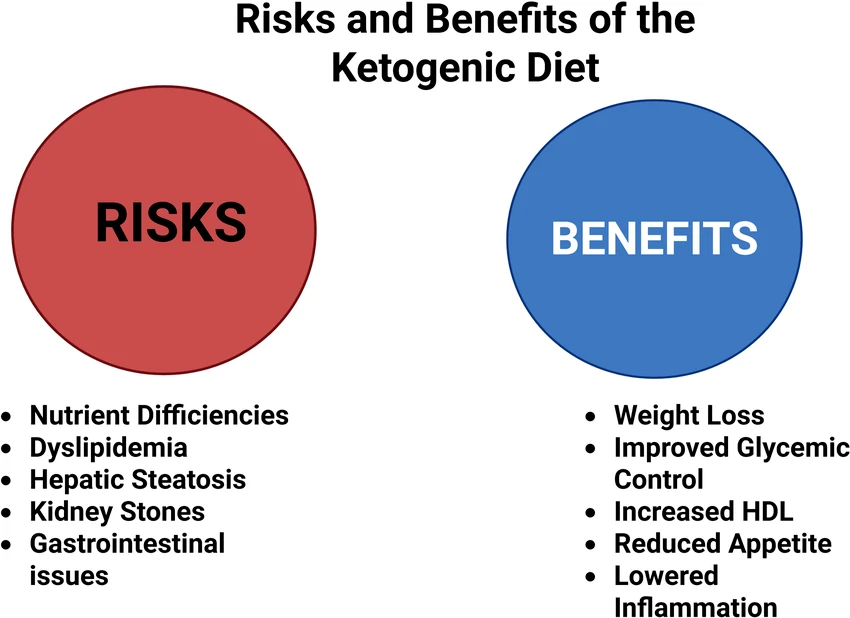
IntroductionThe ketogenic (keto) diet — a very low‑carbohydrate, high‑fat nutritional pattern — has gained attention for its potential to improve glycemic control and reduce insulin requirements in people with type 1 diabetes (T1D). However, using this diet in T1D carries significant medical risks that must be carefully weighed against the benefits.
Scientific evidence and clinical experience suggest that while keto may improve some metabolic markers, it can also increase the likelihood of life‑threatening complications such as diabetic ketoacidosis (DKA), hypoglycemia, and cardiovascular or metabolic side effects if not supervised properly.
1. Diabetic Ketoacidosis (DKA)In type 1 diabetes, the body cannot produce enough insulin to control blood glucose and ketone production. A ketogenic diet shifts metabolism toward fat burning and increases blood ketone levels, which can mimic or even accelerate DKA when insulin is insufficient.
Physiological overlap: Nutritional ketosis and DKA both involve elevated blood ketones, but DKA also includes hyperglycemia, severe dehydration, and acidosis. In T1D, the line between therapeutic ketosis and DKA can be very thin, especially during illness, missed insulin, or pump failure.
Case reports: Some patients on long‑term keto diets who also used insulin‑pump correction algorithms or SGLT‑2 inhibitors developed DKA after missing insulin doses or during infections, highlighting the interaction between diet, medication, and acute metabolic stress.
Thus, without strict insulin adjustment and frequent monitoring, keto can significantly increase DKA risk in T1D.
2. Hypoglycemia and Insulin Management ChallengesWith very low carbohydrate intake, total daily insulin requirements typically decrease. However, many people do not adjust their insulin doses correctly, leading to an increased risk of hypoglycemia. Basal insulin: Background (basal) insulin may remain too high if not systematically reduced, causing frequent low‑blood‑sugar episodes, especially at night.
Bolus insulin: Since meals contain little or no carbohydrate, the need for rapid‑acting insulin drops dramatically, but misdosing can still result in unpredictable glucose swings.
Clinical recommendations emphasize intensive patient education, frequent self‑monitoring of blood glucose, and close collaboration with an endocrinologist or diabetes care team when starting keto in T1D.
3. Cardiovascular and Metabolic RisksDespite improvements in glycemic control, long‑term keto‑style diets may worsen lipid profiles and other cardiovascular risk markers in some individuals.
Lipid changes: Several small studies report increases in LDL cholesterol and triglycerides in some people following keto, raising concerns about atherosclerosis and long‑term heart disease risk.
Arrhythmias and electrolyte shifts: Rapid changes in insulin and ketone levels can affect potassium and other electrolytes, and at least one case series described cardiac arrhythmias in children with T1D on a ketogenic regimen.
These findings suggest that periodic lipid‑profile testing, blood‑pressure monitoring, and cardiac evaluation are important for anyone with T1D considering a keto diet.
4. Nutritional Deficiencies and Other Adverse EffectsA very restrictive keto diet can make it difficult to meet daily requirements for fiber, vitamins (especially B‑vitamins and magnesium), and certain minerals.
Micronutrient deficiencies: Long‑term selective food restriction may lead to low bone density, muscle cramps, and fatigue without careful planning and possible supplementation.
Gastrointestinal and renal issues: Constipation and gallstones have been reported, and some clinicians caution about possible kidney‑stone risk or worsening kidney function in susceptible individuals, especially with high animal‑fat intake. A dietitian experienced in diabetes and ketogenic eating is usually recommended to help design a balanced, nutrient‑dense keto plan.
5. Special Considerations for Type 1 DiabetesInsulin regimen adjustment:Many experts recommend significantly reducing basal insulin and adapting correction algorithms when starting keto. This requires careful titration and frequent glucose/ketone testing.
Avoiding SGLT‑2 inhibitors:These drugs (used in some T1D patients off‑label) increase urinary glucose excretion and ketone production, further raising DKA risk when combined with keto. Most guidelines advise stopping them in patients on very low‑carb diets. Patient selection:Long‑term keto diets in T1D are often reserved for highly motivated, well‑educated adults who can perform frequent monitoring, adjust insulin, and respond quickly to warning signs such as nausea, abdominal pain, or fruity‑scented breath.
6. Current Scientific ConsensusSeveral diabetes organizations and expert reviews describe ketogenic diets in type 1 diabetes as experimental and potentially high‑risk, rather than a routine standard of care.
While small studies and case reports show that some patients can achieve better glycemic control and lower insulin doses on keto, these same reports also document DKA episodes, hypoglycemia, and metabolic complications.
ConclusionA ketogenic diet may offer short‑term benefits for glycemic control and insulin requirements in some individuals with type 1 diabetes, but it carries substantial risks, including diabetic ketoacidosis, hypoglycemia, lipid abnormalities, nutritional deficiencies, and cardiovascular concerns.
For this reason, keto should not be used in T1D without close medical supervision, careful insulin adjustment, frequent glucose and ketone monitoring, and a personalized plan from a diabetes care team and dietitian.
Future long‑term randomized trials are needed to clarify the true risk–benefit balance of ketogenic diets in type 1 diabetes.