This Simple Morning Habit Could Be Destroying Your Knees After 40
Introduction
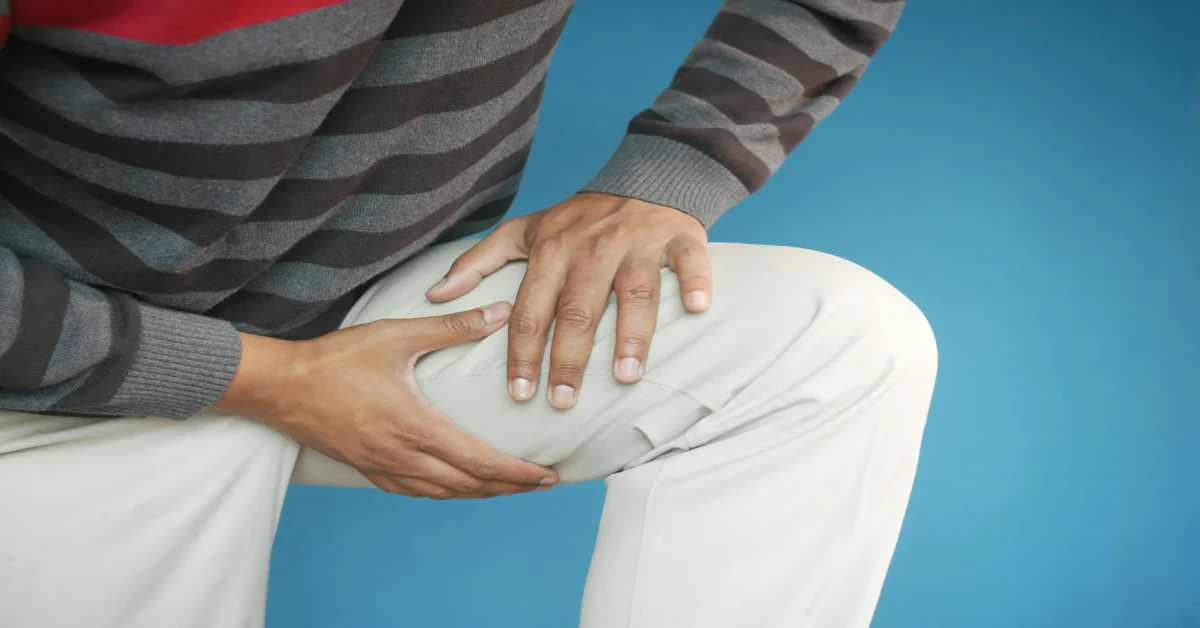
As we age, our bodies undergo various changes that can affect our overall health and mobility. One common issue that many people face after the age of 40 is knee pain. While there are numerous factors contributing to this problem, one simple morning habit may be doing more harm than good. In this blog post, we will explore how this habit could be destroying your knees and what you can do to protect your joints.
The Morning Habit: Stretching vs. Static Stretching
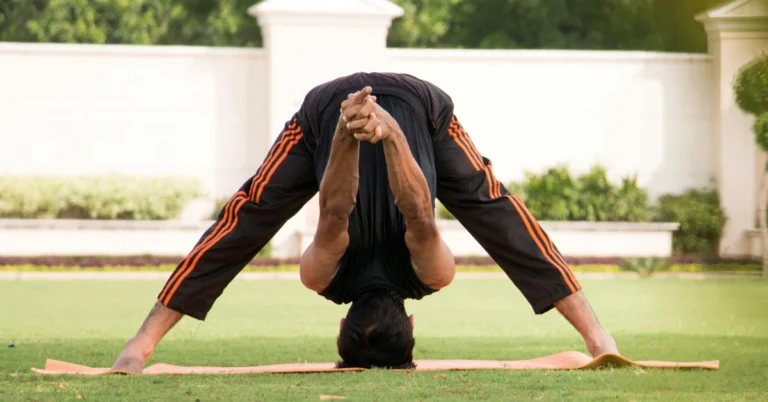
Every morning, millions of people begin their day with a routine that often includes stretching. While stretching is essential for flexibility and overall wellness, the type of stretching you choose can significantly impact your knees. Many individuals engage in static stretching right after waking up, which can lead to potential injury, especially as we age.
Understanding Static Stretching
Static stretching involves holding a stretch in a fixed position for a period of time, typically 15 to 60 seconds. While this practice can enhance flexibility, it can also place undue stress on your knee joints if done improperly. This is particularly true for those over 40, as the cartilage in our knees begins to deteriorate, making them more susceptible to injury.
Why Static Stretching May Harm Your Knees
Here are several reasons why static stretching can be damaging to your knees:
- Decreased Joint Stability: Holding a static stretch for too long can reduce the stability of the joint, which is crucial for maintaining proper alignment and preventing injuries.
- Increased Risk of Strain: As muscles are elongated through static stretching, they can become weaker, increasing the risk of strains or tears, particularly in the hamstrings and quadriceps that support the knees.
- Inadequate Warm-Up: Stretching cold muscles—like those that haven’t been warmed up after a night’s sleep—can lead to micro-tears and other injuries, further exacerbating knee problems.
Healthier Alternatives to Static Stretching
To protect your knees and promote joint health, consider incorporating the following alternatives into your morning routine:
1. Dynamic Stretching
Dynamic stretching involves moving through a range of motion and is an excellent way to prepare your muscles for the day ahead. Examples include:
- Leg swings (forward and sideways)
- Walking lunges
- High knees
- Butt kicks
2. Low-Impact Cardio
Engaging in low-impact cardiovascular activities, such as cycling or walking, can help warm up your joints and muscles without putting excessive strain on your knees.
3. Strength Training
Incorporating strength training exercises that target the muscles surrounding the knee can provide additional support and stability. Focus on:
- Squats
- Leg presses
- Calf raises
- Resistance band exercises
Additional Tips for Knee Health After 40
Aside from modifying your morning stretching routine, consider these additional tips to maintain healthy knees as you age:
- Maintain a Healthy Weight: Extra weight places added stress on your knees. A balanced diet and regular physical activity can help you achieve and maintain a healthy weight.
- Stay Hydrated: Proper hydration is essential for joint lubrication. Aim to drink at least eight glasses of water a day.
- Listen to Your Body: Pay attention to any signs of discomfort or pain in your knees. If you experience persistent pain, consult a healthcare professional.
Conclusion
Your morning routine sets the tone for your day, and it’s essential to incorporate habits that promote health rather than hinder it. While stretching can be beneficial, the type of stretching you choose matters significantly, especially after the age of 40. By avoiding static stretching in favor of dynamic movements and incorporating low-impact exercises, you can help protect your knees and maintain your overall health as you age. Remember, a little adjustment today can lead to a lifetime of mobility and comfort.