
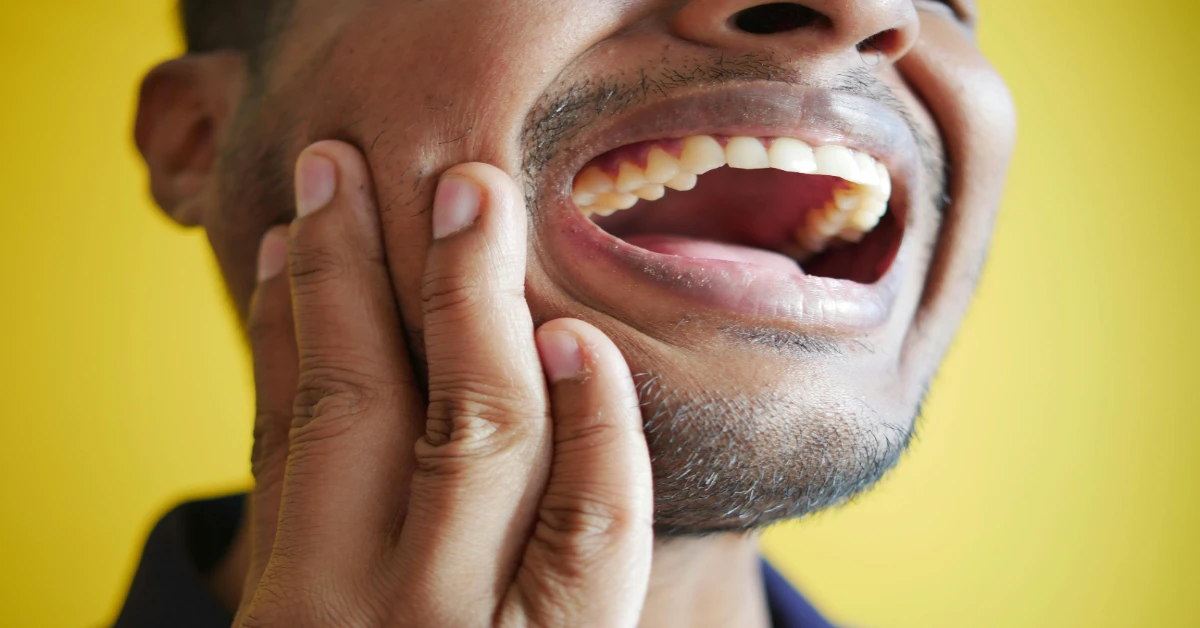
The Profound Impact of Tooth Pain on Human Life: Physical, Mental, and Social Consequences
Tooth pain is far more than a temporary inconvenience—it’s a debilitating condition that can disrupt every aspect of human life. From interfering with basic functions like eating and sleeping to triggering anxiety, depression, and reduced work productivity, dental pain creates ripple effects throughout the entire body and mind. Understanding the full scope of tooth pain’s impact helps people recognize when to seek professional care and why oral health should never be neglected.
How Tooth Pain Affects Physical Health
Disrupted Sleep Patterns
One of the most immediate and frustrating effects of tooth pain is its impact on sleep. Dental pain often worsens at night when you lie down, as increased blood pressure to the head intensifies the throbbing sensation. This makes it extremely difficult to fall asleep or stay asleep throughout the night. Chronic sleep deprivation from toothache leads to fatigue, weakened immune function, impaired cognitive performance, and increased irritability. Research shows that individuals with poor sleep quality and sleep deprivation have higher risks for oral health issues such as tooth pain, creating a vicious cycle.
If you’re tracking your sleep patterns while dealing with dental pain, tools like a sleep calculator can help you understand your sleep cycles and identify how much rest you’re actually getting despite the discomfort.
Difficulty Eating and Nutrition Problems
Tooth pain makes chewing painful or nearly impossible, forcing people to avoid certain foods—especially hard, crunchy, hot, or cold items that trigger sensitivity. This often leads to poor nutrition as people shift to softer, often less nutritious foods like processed carbohydrates. Over time, this nutritional imbalance can weaken the body, affect blood sugar levels, and exacerbate existing health conditions. For individuals managing their health metrics, understanding how dietary changes affect their body becomes crucial. A BMI calculator can help monitor whether these dietary shifts are affecting your overall health status.
Connection to Serious Systemic Diseases
The mouth is often called the “gateway to the body,” and dental problems can have far-reaching consequences beyond the jaw. Research shows that gum disease and tooth infections can allow bacteria to enter the bloodstream, potentially leading to heart disease, diabetes complications, respiratory infections, and pregnancy complications. Gum inflammation increases the risk of cardiovascular problems and heart attacks, as bacteria from tooth decay can slippage into blood vessels and cause damage.
Poor oral hygiene can make diabetes management more difficult, more costly, and certainly more painful. People with diabetes are at higher risk of periodontal disease, dry mouth, delayed healing after dental procedures, and oral thrush. The inflammation from dental infections doesn’t stay localized—it affects the entire body’s inflammatory response, potentially worsening conditions like arthritis and increasing the risk of stroke.
The Mental and Emotional Toll of Tooth Pain
Anxiety and Stress
Chronic tooth pain creates constant psychological stress. The unpredictability of pain flare-ups keeps people in a state of anxiety, never knowing when the next sharp pain will strike. This chronic stress triggers the release of cortisol, the stress hormone, which can further tighten jaw muscles and actually worsen tooth pain—creating another vicious cycle. Yes, stress can cause real tooth pain, even when your teeth are perfectly healthy, as chronic stress tightens the jaw muscles and floods the body with cortisol.
Depression and Emotional Exhaustion
Persistent dental pain can also trigger anxiety, sleep disturbances, reduced productivity, and emotional exhaustion. When pain is left untreated, it can contribute to long-term mental health challenges. A study showed that dental pain has an association with lower quality of life and worse mental health status in adults, with significantly higher prevalence of dental pain among participants with anxiety, depression, stress, melancholy, and even suicidal thoughts.
The constant discomfort makes it hard to enjoy life’s pleasures, leading to social withdrawal and feelings of hopelessness. People suffering from chronic tooth pain often report feeling isolated because others don’t understand how debilitating dental pain can be. From chronic pain and infections to self-confidence and social interactions, dental health plays a major role in how you feel mentally and emotionally.
Impact on Self-Esteem and Confidence
Tooth pain often comes with visible symptoms—swollen gums, facial swelling, or even visible decay—that make people self-conscious about their appearance. This can lead to avoiding smiling or laughing in public, skipping social gatherings or events, feeling unattractive or embarrassed, and reduced confidence in professional settings. Poor dental health can lead to stress, anxiety, depression, and reduced self-esteem, while mental health conditions can lead to neglect of oral hygiene, creating a vicious cycle.
Chronic dental pain, missing teeth, or visible decay can lower self-esteem and contribute to social anxiety or depression. Difficulty eating or speaking can further isolate individuals from social interactions.
Social and Professional Consequences
Lost Work Productivity
The economic impact of tooth pain is staggering. Nearly 3 in 10 Britons have taken time off work because of tooth pain, which is equivalent to 11.7 million working-age people. The survey also showed that about 7% of UK residents have taken more than a week off work due to dental pain. In all, 23 million sick days, equivalent to 93,000 full-time jobs, have been taken because of reported dental pain.
But absenteeism is only part of the problem. About 9% of people reported that pain from toothaches has affected their quality of work and productivity when working. This “presenteeism”—working while in pain—means reduced concentration, slower decision-making, and more mistakes. Oral problems accounted for 9 to 27% of cases of sickness absence and 28 to 50% of presenteeism, with toothache and temporomandibular joint pain as the most frequent reasons.
Strained Social Relationships
Tooth pain affects the ability to speak clearly, eat comfortably with others, or smile confidently—all essential components of social interaction. Oral health affects our ability to eat, speak, smile, and show emotions. People may avoid dining out with friends or family, attending celebrations or parties, speaking up in meetings or group discussions, and intimate relationships due to self-consciousness.
Over time, this social isolation can deepen feelings of depression and anxiety, making the pain feel even more overwhelming. Each aspect—eating, speaking, and sleeping—can be significantly impacted by dental pain, resulting in reduced sleep, impacts on the ability to socialize and concentrate, psychological impact, reduced nutrition, and reduced productivity at work.
Impact on Communication
Teeth play a crucial role in speech production. They help us cut and chew food, which is essential for digestion, and they affect speech directly, making them very important for communication. Tooth pain, missing teeth, or dental work can affect pronunciation and clarity of speech. This can make people reluctant to speak in public, participate in meetings, or engage in conversations, further limiting their professional and social opportunities.
The Young and Old: Special Vulnerabilities
Children and Students
For children, tooth pain can be devastating to their development and education. These very large cavities cause pain, causing problems with eating, speaking, playing, and learning. A child with tooth pain is not going to be able to focus in class, participate in activities, or sleep well at night. This can lead to poor academic performance, missed school days, behavioral problems from pain-induced irritability, and long-term dental anxiety.
Older Adults
For older adults, oral health associates with frailty. A US cross-sectional study revealed that individuals with poor sleep quality and sleep deprivation have higher risks for oral health issues, such as tooth pain, and chronic dental problems can make it difficult to maintain proper nutrition, leading to further health decline.
Breaking the Cycle: When to Seek Help
Ignoring tooth pain never makes it go away—it only allows the underlying problem to worsen. Common causes of tooth pain include tooth decay and cavities, gum disease and infection, abscessed teeth, cracked or fractured teeth, impacted wisdom teeth, and TMJ disorders.
If you’re experiencing dental pain or notice any changes in your oral health, don’t ignore it. Schedule an appointment with your dentist as soon as possible to prevent further damage. Early intervention can prevent simple problems from becoming complex, expensive, and painful conditions.
Managing Pain While Waiting for Treatment
While you wait for your dental appointment, several strategies can help manage discomfort: take over-the-counter pain relievers as directed, apply cold compresses to reduce swelling, rinse with warm salt water to reduce inflammation, avoid extremely hot, cold, or sugary foods, and keep your head elevated when sleeping.
For those tracking health metrics during this time, online tools can help you monitor various aspects of your health. Whether you need to convert temperature readings, calculate BMI changes from dietary adjustments, or track other health measurements, free online converters and calculators provide 140+ tools that run entirely in your browser—no uploads or account required, ensuring your health data stays private and secure.
Conclusion: Oral Health Is Overall Health
Tooth pain is not something to endure silently. Its effects extend far beyond the mouth, impacting physical health, mental wellness, professional performance, and social relationships. The connection between oral health and overall health is undeniable—poor dental health can lead to serious systemic diseases, while chronic pain can trigger or worsen mental health conditions.
Taking care of your teeth isn’t just about having a beautiful smile; it’s about protecting your entire body and mind. Regular dental checkups, proper oral hygiene, and prompt treatment of dental problems are investments in your long-term health and quality of life. Don’t let tooth pain control your life—seek professional help and take back your health, your confidence, and your happiness.