
The Incredible Health Benefits of Onions: Nature’s Superfood for Wellness
Onions are a staple in kitchens worldwide, adding flavor to countless dishes while packing a punch of health benefits backed by science. From boosting immunity to supporting heart health, this humble vegetable offers antioxidant power that can transform your daily diet.
Nutritional Profile of Onions
Onions are low in calories yet nutrient-dense, making them ideal for weight management and overall nutrition. A medium onion (about 110 grams) provides around 44 calories, 11 grams of carbohydrates, 3 grams of fiber, and 1 gram of protein, with no fat or cholesterol.
They are rich in vitamin C (up to 9% of daily needs per serving), vitamin B6, folate, potassium, and antioxidants like quercetin and sulfur compounds. These nutrients support immune function, energy metabolism, and cellular protection.
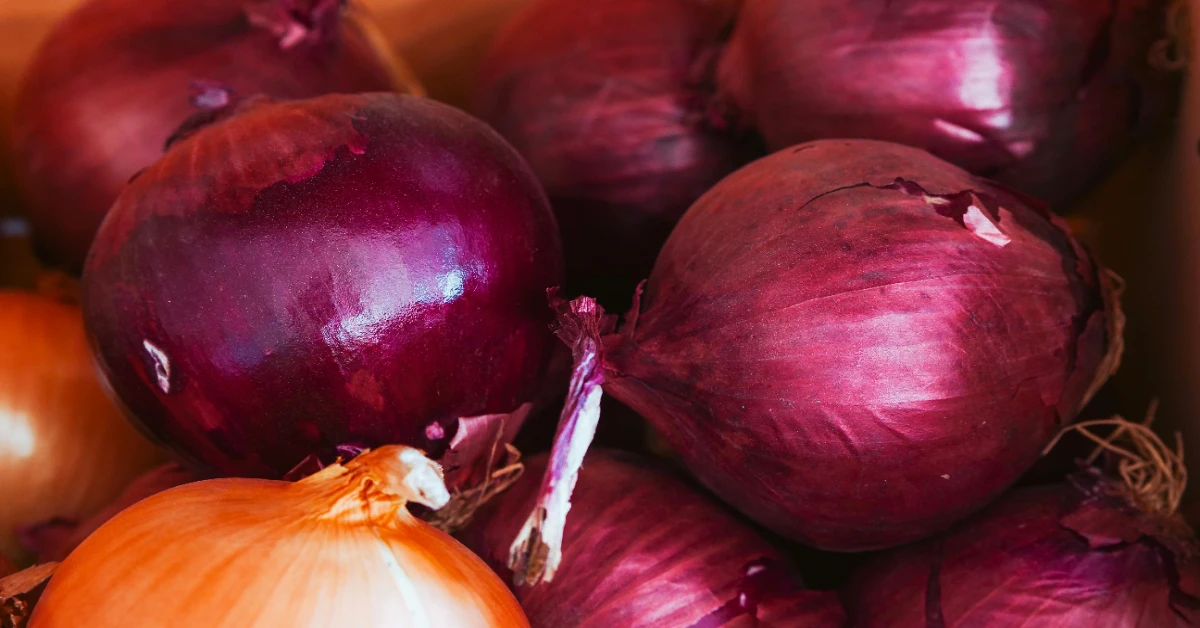
Red onions stand out with higher anthocyanin levels, doubling the antioxidant score compared to yellow or white varieties.
Heart Health Advantages
Onions promote cardiovascular wellness through anti-inflammatory and cholesterol-lowering effects. Quercetin in onions inhibits LDL oxidation, reducing atherosclerosis risk, while sulfur compounds act as natural blood thinners.
Studies link regular onion consumption to lower blood pressure and reduced heart disease risk, with allium vegetables like onions potentially cutting colorectal cancer odds by 80% when eaten abundantly.
Potassium helps regulate blood pressure, making onions a heart-friendly addition to salads or soups.
Cancer-Fighting Properties
Antioxidants in onions, especially quercetin and organosulfur compounds, combat free radicals and inhibit cancer cell growth. Research shows onions may lower risks of breast, colon, ovarian, gastric, lung, and bladder cancers.
Consumption of pungent onions exhibits strong anti-platelet activity, and they prevent Helicobacter pylori growth linked to gastric ulcers and cancer. Red onions’ high polyphenol content enhances this protective effect.
Boosting Immunity and Fighting Infections
Vitamin C and sulfur compounds make onions a natural antibacterial and antiviral agent. They strengthen immunity, helping fend off colds, flu, and respiratory issues like asthma or bronchitis.
Onion juice mixed with honey eases coughs and clears phlegm, while their prebiotic fiber supports gut bacteria that bolster overall defense. Historical use as a remedy for infections underscores their antimicrobial prowess.
Digestive and Gut Health Support
The fiber and prebiotics in onions nourish beneficial gut bacteria, improving digestion and reducing inflammation. They prevent gastric ulcers and alleviate bloating or constipation.
Inulin, a type of prebiotic, promotes regular bowel movements and may regulate blood sugar by slowing carbohydrate absorption. For those with IBS, cooked onions are gentler than raw.
Blood Sugar Regulation
Onions help manage diabetes by improving insulin sensitivity and lowering fasting blood sugar levels. Allyl propyl disulfide compounds mimic insulin action.
Studies confirm their role in stabilizing glucose, beneficial for prediabetics when added to meals.
Bone and Joint Protection
Onion consumption increases bone mineral density by over 17% in studies, potentially preventing osteoporosis. Anti-inflammatory flavonoids reduce joint pain in arthritis.
Calcium and other minerals contribute to stronger bones, especially in postmenopausal women.
Skin and Hair Benefits
Topical onion juice treats scalp issues like dandruff and hair loss due to sulfur nourishing follicles. Antioxidants fight aging, reducing wrinkles and promoting collagen.
For skin, onion extracts heal acne scars and soothe irritation. Blend onions for masks, but dilute to avoid irritation.
When sharing your onion-based beauty recipes online, consider converting images to WebP format using FastConvert’s JPG to WebP tool for faster loading and better SEO on health blogs.
Weight Management and Metabolism
Low-calorie onions add bulk to meals, curbing hunger with fiber. They boost metabolism and act as a mild diuretic, aiding detox and reducing water retention.
Use our free calorie calculator at FastConvert to track onion-rich meals in your wellness plan.
Types of Onions and Their Unique Benefits
Choosing varieties based on needs maximizes benefits.
Healthy Ways to Incorporate Onions
- Raw: In salads for max antioxidants.
- Cooked: Sautéed in stir-fries to retain nutrients.
- Juice: For remedies, blend with honey.
- Recipes: Onion soup or grilled skewers.
Start with one onion daily. For recipe PDFs, convert your notes to PDF via FastConvert.
Potential Side Effects and Precautions
While safe, raw onions may cause heartburn, gas, or bad breath in excess. Those with GERD should cook them. Allergies are rare but possible.
Pregnant women and diabetics should consult doctors for high intake.
Conclusion: Make Onions Your Daily Ally
Onions deliver multifaceted health perks from heart protection to beauty boosts, all supported by nutrients and studies. Integrate them smartly for optimal wellness.