
What are the risks of keto diet for type 1 diabetes
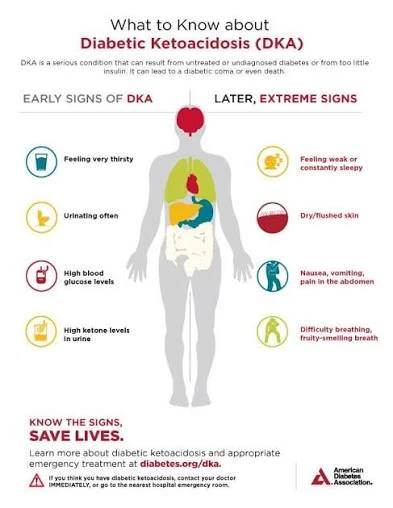
A ketogenic (keto) diet can sometimes improve blood sugar control in people with type 1 diabetes, but it carries several important risks that require very close medical supervision.
Main medical risksDiabetic ketoacidosis (DKA)The keto diet raises blood ketones, which in type 1 diabetes can blur the line between healthy “nutritional ketosis” and dangerous DKA if insulin is too low or pumps/injections fail. Illness, missed insulin, or intense ketosis can rapidly push someone into DKA, a life‑threatening emergency. Hypoglycemia (low blood sugar)With very low carbohydrate intake, total insulin needs usually drop. If insulin doses are not adjusted carefully, the risk of frequent or severe hypoglycemia increases, especially if basal (background) insulin is too high. Worsened lipid profile and cardiovascular riskSome people on keto develop higher LDL cholesterol or triglycerides, which may increase long‑term cardiovascular risk, even if blood sugar improves. Cardiac arrhythmias and electrolyte shifts have also been reported in some cases. Nutrient deficiencies and other side effectsLong‑term restrictive keto eating can lead to low fiber, B vitamins, magnesium, and other micronutrients if not planned carefully. Gallstones, kidney stones, constipation, and possible bone‑density or thyroid changes have also been noted in some studies. Special precautions for type 1 diabetesInsulin regimens often need significant adjustment when starting keto, and medications like SGLT‑2 inhibitors should usually be stopped because they add to DKA risk.
Frequent glucose and ketone monitoring, regular blood‑lipid tests, and close follow‑up with an endocrinologist or diabetes team are strongly recommended.
Overall viewWhile some small studies show that a medically supervised keto diet can reduce HbA1c, insulin doses, and glycemic variability in motivated people with type 1 diabetes, long‑term safety data are still limited. Major diabetes societies generally consider keto an experimental approach in type 1 diabetes and advise strict supervision and careful risk–benefit discussion rather than routine use.