High Blood Pressure: The Silent Killer and How to Tame It
High blood pressure—also known as hypertension—is one of the most dangerous yet silent health threats in the world. Most people with high blood pressure feel completely “normal,” yet they are at high risk of heart attacks, stroke, kidney damage, and even premature death. In this article, you’ll learn what hypertension really means, how it damages your body, and the most effective ways to control it—using powerful keywords like high blood pressure, hypertension symptoms, blood pressure control, heart disease risk, lifestyle changes, and medications for hypertension.What is high blood pressure?Blood pressure is the force of blood pushing against the walls of your arteries as your heart pumps. Doctors measure it in two numbers: systolic (when the heart beats) and diastolic (when the heart relaxes). A normal reading is around 120/80 mmHg, while readings consistently above 130/80 mmHg are usually considered high blood pressure or hypertension.
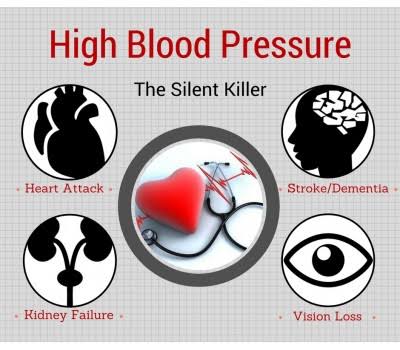
When blood pressure stays high for a long time, it puts extra stress on the heart and blood vessels. This can lead to hypertensive heart disease, atherosclerosis (hardening of the arteries), and end‑organ damage to the brain, kidneys, and eyes. That’s why hypertension is often called “the silent killer”: it causes damage without obvious symptoms.
Why hypertension is so dangerousUncontrolled high blood pressure increases the risk of:Heart attack and coronary artery diseaseStroke and transient ischemic attacks (mini‑strokes)Heart failureKidney disease or kidney failureVision loss from damaged blood vessels in the eye
These cardiovascular complications are among the leading causes of death worldwide. Even mild or moderate hypertension can silently weaken the heart and narrow the arteries over years, setting the stage for a sudden, life‑changing event.
Hidden signs and risk factorsMany people don’t feel anything when their blood pressure is high, but some may notice:Headaches, especially in the morningDizziness or lightheadednessShortness of breath during light activityChest pain or tightnessNosebleeds (in severe cases)Risk factors include older age, family history, obesity, high salt diet, lack of exercise, excessive alcohol or caffeine, stress, and sleep apnea. Conditions like diabetes and chronic kidney disease also worsen blood pressure control.
How to check and track your blood pressureRegular blood pressure monitoring is one of the simplest ways to protect your health. Many people can use a home blood pressure monitor and take readings at the same time every day, under quiet conditions. Key habits:Sit quietly for 5 minutes before measuringKeep your arm at heart levelAvoid smoking, caffeine, or exercise 30 minutes before the testRecord your readings to share with your doctor
Keeping a blood pressure journal helps detect patterns and shows whether lifestyle changes or antihypertensive medications are working.
Lifestyle changes that actually workResearch shows that non‑drug strategies can lower blood pressure as much as some medications. The most powerful lifestyle changes include:Weight loss (even 5–10 kg can make a big difference)Regular aerobic exercise (brisk walking, cycling, swimming)Reducing salt intake and avoiding processed foodsEating more fruits, vegetables, whole grains, and nutsLimiting alcohol and quitting smokingManaging stress through relaxation, meditation, or therapyThe DASH diet (Dietary Approaches to Stop Hypertension) is especially effective for blood pressure control and overall heart health.
When medications are neededSometimes lifestyle changes alone are not enough, and doctors prescribe medications for hypertension such as:ACE inhibitors and ARBs (they relax blood vessels)Calcium channel blockersDiuretics (they help remove extra fluid)Beta‑blockers in certain high‑risk casesThese drugs are usually taken daily and must be adjusted under medical supervision. Never stop or change them without talking to your doctor, because sudden changes can cause dangerous spikes or drops in blood pressure.
Simple keywords to attract readersTo make this content more visible and attractive to readers searching online, you can naturally include strong SEO keywords such as:high blood pressure symptomshow to lower blood pressure naturallyhypertension treatment guidelinesbest diet for high blood pressureblood pressure monitor at homehypertension and heart diseasesilent killer high blood pressure
These phrases help search engines recognize your article as a reader‑focused, evidence‑based guide to controlling blood pressure and protecting long‑term health.
If you like this style, tell me which topic you want next:prostate (like prostate cancer and enlarged prostate), diabetes (with a different angle), cholesterol, or heart attack prevention—and I’ll write another powerful, scientific, and reader‑friendly article in English, built for your website.