High Blood Pressure: Everyday Choices That Really Matter
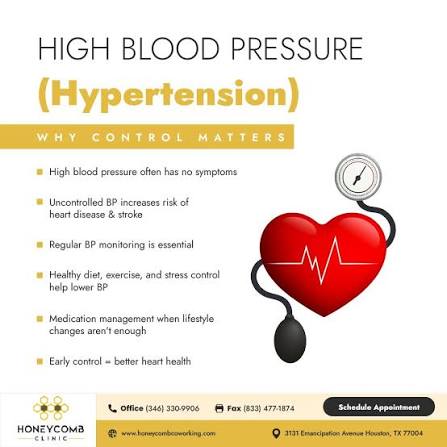
High blood pressure, or hypertension, is not just a number on a monitor—it’s a daily challenge that affects how you eat, move, sleep, and manage stress. Millions of people live with elevated readings without realizing how powerful their everyday habits are. In this article, you’ll discover practical, science‑backed choices that help you control your blood pressure, protect your heart, and avoid complications—using strong keywords like blood pressure control, hypertension lifestyle changes, high blood pressure diet, silent killer hypertension, heart‑healthy habits, and long‑term blood pressure management.What your daily life really does to your blood pressureMany small behaviors add up over time and directly affect your blood vessels and heart. For example:Sitting for long hours and avoiding exercise raises resting blood pressure.Eating salty, processed foods and sugary drinks can push your readings higher.Poor sleep, chronic stress, and irregular routines make it harder for your body to relax at night.On the other hand, simple daily choices—like walking after meals, choosing water instead of soda, and going to bed at a regular time—can slowly but steadily lower your average blood pressure and your risk of heart disease and stroke. Morning and evening routines for better controlA structured morning and evening routine supports blood pressure control and overall health:
Morning:Take your blood pressure at home if your doctor recommends it.Drink a glass of water and eat a balanced breakfast rich in fiber and protein.Take a short walk or stretch to wake up your circulation.Evening:Avoid heavy meals, caffeine, and alcohol close to bedtime.Practice relaxation: deep breathing, light reading, or a short walk.Go to bed at a similar time to support healthy sleep and vascular recovery.These routines help your body maintain a calmer nervous system, which can lower both systolic and diastolic readings over time.
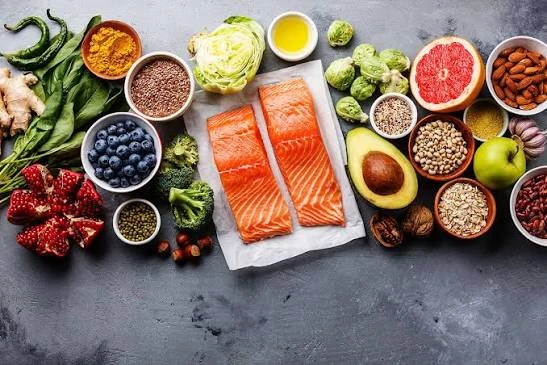
Food choices that lower your numbersWhat you put on your plate every day has a direct impact on blood pressure. The best choices include:Fruits and vegetables (especially leafy greens, berries, and citrus) for potassium and fiber.Whole grains like oats, brown rice, and whole‑wheat bread.Lean proteins such as fish, chicken, beans, and legumes.Healthy fats from nuts, seeds, and olive oil.At the same time, limit:Processed meats, salty snacks, and ready‑made meals.Sugary drinks and excessive sweets.The DASH diet (Dietary Approaches to Stop Hypertension) is a proven, heart‑healthy plan that combines these principles into a realistic, long‑term eating style.
Movement and stress: the hidden partners of hypertensionPhysical activity is one of the most powerful tools for hypertension prevention and blood pressure reduction. Even 30 minutes of moderate exercise most days—brisk walking, cycling, or swimming—can lower systolic pressure by several points. Exercise also improves insulin sensitivity, helps with weight control, and reduces stress hormones.
Stress is another hidden driver. When you feel anxious, worried, or under pressure, your body releases adrenaline and cortisol, which temporarily raise blood pressure. Chronic stress can make high blood pressure stay elevated. Relaxation techniques like deep breathing, meditation, yoga, or simply regular walks in nature can help calm your nervous system and support better control.
Common myths about high blood pressure
Many people believe things that are not true about hypertension, which can delay treatment or create fear. Some common myths:
“If I feel fine, I don’t have high blood pressure.”
Reality: Hypertension is often silent and can damage your body even when you feel normal.
“Only old people get high blood pressure.”
Reality: Young adults and even teens can develop high blood pressure, especially with obesity and poor lifestyle habits.
“Medication is enough, I don’t need to change my lifestyle.”
Reality: Pills help, but lifestyle changes multiply their effect and reduce side‑effects and long‑term risks.
Understanding these myths helps people take hypertension prevention and treatment more seriously, without fear or denial.
How to stay motivated over the long term
Managing high blood pressure is a lifelong journey, not a quick fix. To stay motivated:
Focus on small, realistic goals instead of perfection.
Track your progress with a blood pressure journal or mobile app.
Celebrate small wins, like losing a few kilograms, improving your diet, or lowering your average readings.
Surround yourself with support: family, friends, or a support group for people with hypertension.
When you see your blood pressure slowly improving thanks to your own efforts, it becomes easier to stick with healthy habits and avoid falling back into old patterns.
Keywords to attract and engage readers
To help more people discover your article and understand its value, you can naturally include strong, SEO‑friendly phrases such as:
how to lower high blood pressure without medication
blood pressure control through lifestyle changes
high blood pressure and stress connection
foods that lower blood pressure quickly
high blood pressure in young adults
silent killer hypertension symptoms
long‑term management of high blood pressure
These keywords position your website as a trustworthy, evidence‑based, and reader‑friendly source for anyone worried about their blood pressure and heart health.
If you want, we can continue with a fourth article on hypertension (for example: “When to See a Doctor About High Blood Pressure”) or switch to a new major topic like diabetes and blood pressure or prostate health and heart disease—always in English, always strong and engaging for your site.