Hair Transplant: Positive and Negative Effects You Need to Know
Hair transplant surgery offers a promising solution for those struggling with hair loss, but like any medical procedure, it comes with both benefits and risks. Understanding these effects helps individuals make informed decisions about pursuing this treatment.
What is Hair Transplant Surgery?
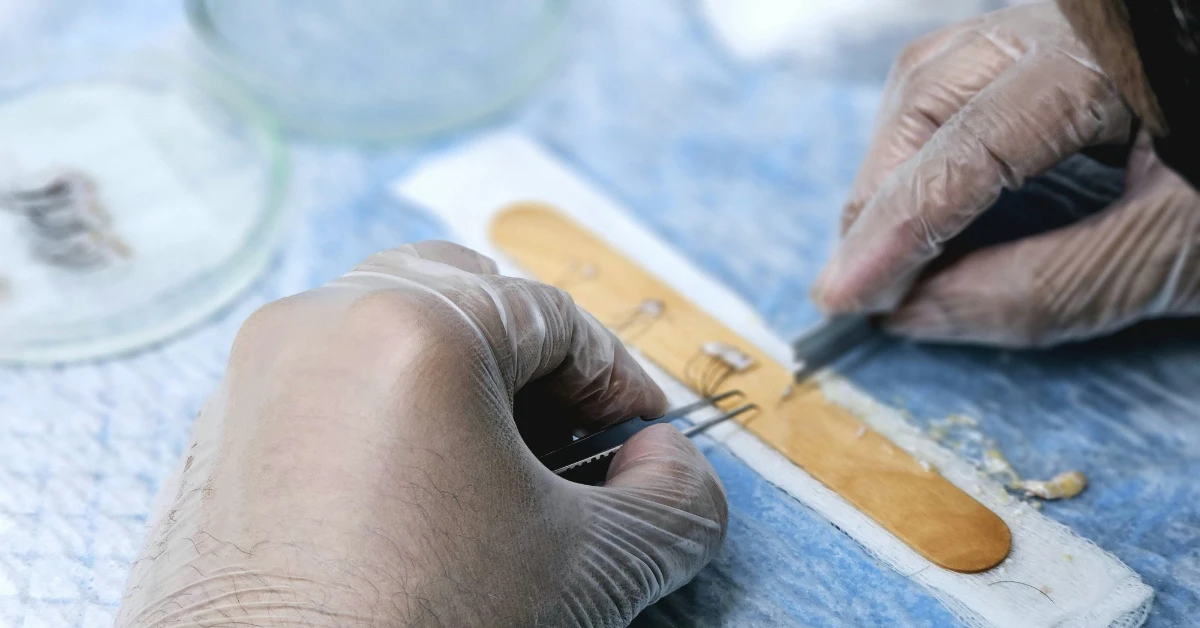
Hair transplant involves extracting healthy hair follicles from a donor area, typically the back or sides of the scalp, and implanting them into balding or thinning regions. The two primary techniques are Follicular Unit Extraction (FUE), which removes individual follicles, and Follicular Unit Transplantation (FUT), which takes a strip of scalp skin. These methods aim to restore a natural-looking hairline, with results often visible after several months as the transplanted follicles grow permanently.
Modern advancements have made procedures minimally invasive, especially FUE, leading to higher success rates above 90% for graft survival. Millions undergo this surgery annually to combat androgenetic alopecia, affecting both men and women.
Positive Effects of Hair Transplants
One major benefit is the permanent restoration of hair, as transplanted follicles resist further loss due to their genetic resistance to balding hormones. Patients enjoy natural growth, allowing them to style, cut, and maintain hair like their own without ongoing treatments.
Boosted Confidence and Mental Health
Hair transplants significantly enhance self-esteem, reducing anxiety and depression linked to appearance. Studies show patients feel younger and more attractive, improving social interactions, job prospects, and romantic relationships. This psychological uplift contributes to overall well-being, aligning with WHO’s definition of health as complete physical, mental, and social wellness.
Natural and Low-Maintenance Results
Results mimic natural hair density and direction when performed by skilled surgeons, blending seamlessly. Unlike wigs or toppers, transplants require no daily upkeep beyond regular hair care, offering long-term value.
Improved Quality of Life
Many report renewed energy, productivity, and personal satisfaction post-procedure. For fitness enthusiasts tracking progress with photos, high-quality image conversion tools ensure optimized visuals for before-and-after comparisons, preserving details without large file sizes.[ from site]
Procedure Overview and Recovery
The surgery lasts 4-8 hours under local anesthesia, with minimal discomfort. Post-op, patients follow care routines like gentle washing and avoiding sun exposure. FUE recovery is faster, often 5-7 days, versus 10-14 for FUT. Full results emerge in 3-12 months as hair sheds initially then regrows.
Negative Effects and Risks
While generally safe, short-term side effects include swelling, itching, redness, and temporary shedding (shock loss), resolving in weeks. Bleeding, crusting, and numbness occur but are manageable with medications.
Common Temporary Side Effects
- Swelling and bruising around the forehead or eyes, peaking days 2-4.
- Itching or scabbing in donor/recipient areas, eased by prescribed lotions.
- Pain or tightness, controlled by painkillers.
These affect most patients mildly and fade quickly.
Potential Long-Term Risks
Rare issues include scarring (dot-like in FUE, linear in FUT), infection if hygiene lapses, or unnatural growth from poor technique. Nerve damage causing persistent numbness or poor graft survival happens in under 10% of cases. Continuing hair loss in non-transplanted areas may require touch-ups.
| Side Effect | Frequency | Duration | Management |
|---|---|---|---|
| Swelling/Itching | Common | 1-2 weeks | Cold compresses, meds |
| Scarring | Common (minimal in FUE) | Permanent but fades | Proper aftercare |
| Infection | Rare | 1-2 weeks | Antibiotics |
| Numbness | Uncommon | Weeks to months | Time, massage |
| Shock Loss | Common | 3-4 months | Minoxidil/finasteride |
Smokers, diabetics, or those with poor circulation face higher necrosis risks.
Who Should Consider Hair Transplants?
Ideal candidates have stable hair loss patterns, sufficient donor hair, and realistic expectations. Consult a board-certified surgeon to assess suitability. Those under 25 or with diffuse thinning may benefit more from medications first.
Preparation and Aftercare Tips
Pre-op: Quit smoking, avoid blood thinners, and get blood tests. Post-op: Sleep elevated, use gentle shampoos, and protect from sun. Sharing recovery timelines? Convert documents to PDF using online tools for professional portfolios or clinic reports.[web: site]
Monitor for infection signs like pus or fever; seek immediate care if needed.
Cost and Success Factors
Costs range $4,000-$15,000 based on grafts and location, often not insured. Success hinges on surgeon expertise, technique, and patient compliance—choose clinics with high reviews.
Myths vs. Facts
Myth: Transplants look fake. Fact: Advanced FUE yields natural density. Myth: Painful forever. Fact: Discomfort is short-lived.
Final Thoughts on Weighing Effects
Hair transplants deliver life-changing positives like confidence and permanence for many, outweighing temporary negatives when done right. Risks are low (under 5% serious complications), but thorough research and expert selection are key. If hair loss impacts your wellness routine, this could restore not just hair, but vitality.