The Impact of 7-8 Hours of Sleep on Immune Strength: An In-Depth Scientific Editorial (Extended Edition)
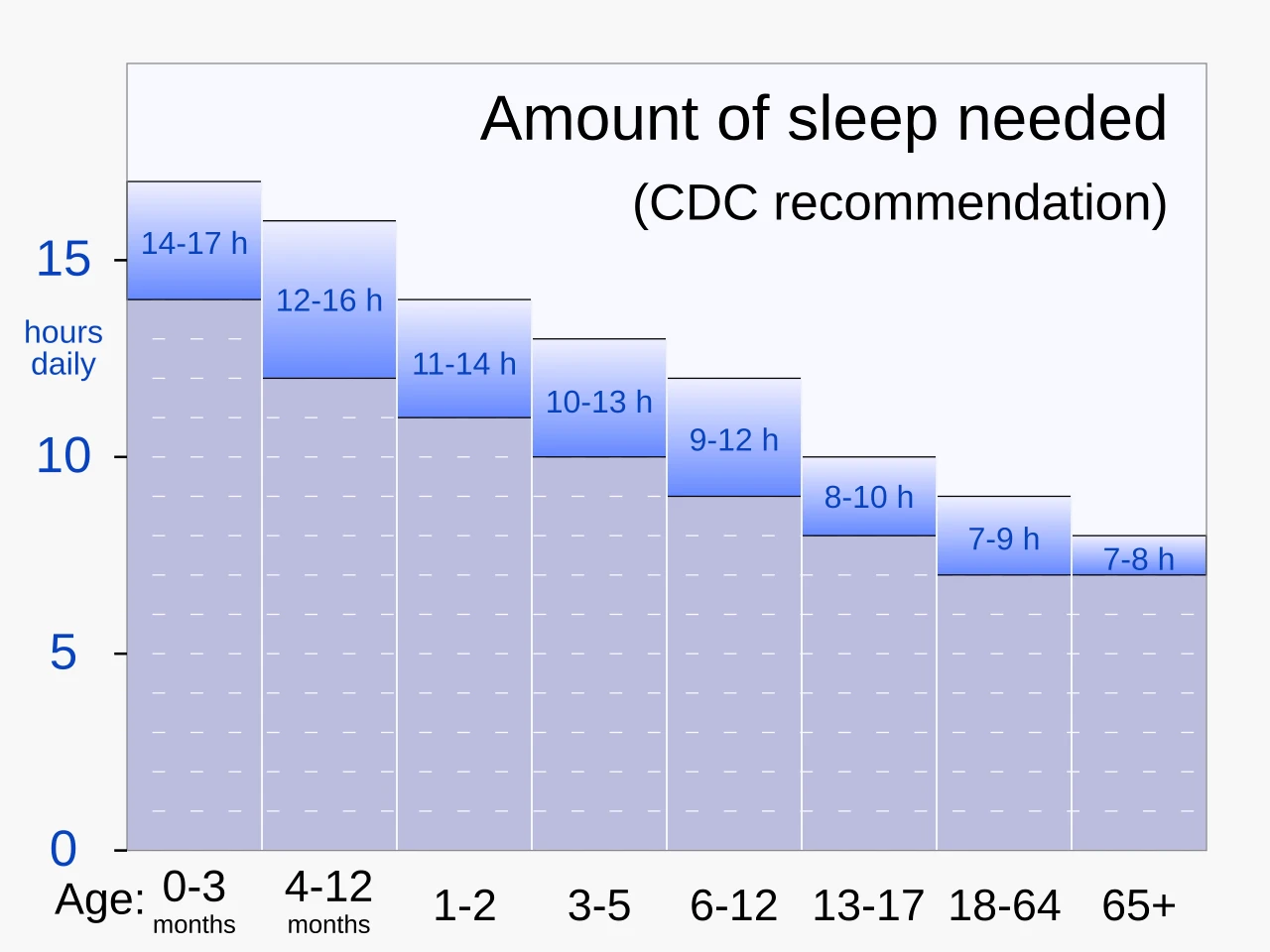
Achieving 7-8 hours of consistent, high-quality sleep nightly represents a cornerstone of immune optimization, enabling profound physiological restoration and fortifying defenses against a spectrum of pathogens—from routine viruses to chronic inflammatory threats. This duration precisely calibrates with the average adult’s sleep cycle architecture, comprising 4-6 cycles of non-REM (light and deep slow-wave) and REM phases, where the bulk of immune modulation unfolds, as corroborated by polysomnography-tracked trials.
Intricate Biological Mechanisms: From Cytokines to Cellular Reprogramming
Deep slow-wave sleep (Stage N3), peaking early in the night, triggers a surge in growth hormone, which sequesters T-cells from circulation into lymph nodes—evolutionary “training grounds” for antigen-specific priming—while cytokines like IL-1, IL-6, and TNF-α escalate to orchestrate innate responses. Simultaneously, melatonin and low catecholamine levels foster Th1 polarization (pro-IL-2, IFN-γ), enhancing adaptive memory T-cell differentiation, with IL-7 peaking late-night to sustain long-term lymphoid proliferation; these dynamics are absent in fragmented sleep. A groundbreaking NIH-funded Columbia University trial (2025) exposed 14 adults to 6 vs. 7.5-hour regimens: sleep restriction spiked afternoon monocytes, immune stem cell counts, and activation markers, imprinting genetic alterations that self-perpetuated for weeks post-recovery, mimicking accelerated immunosenescence.
Profound Risks of Suboptimal Sleep: Inflammation, Vulnerability, and Chronic Disease
Restricting sleep to under 7 hours dysregulates the hypothalamic-pituitary-adrenal axis, chronically elevating cortisol and skewing immunity toward Th2 dominance, slashing vaccine efficacy—e.g., 3-fold higher cold susceptibility in <7-hour sleepers per a 153-person cohort, and blunted hepatitis A/influenza antibody titers in deprivation studies. Mount Sinai rodent models, partially translatable to humans, revealed 10-week “recovery” post-deprivation failed to reverse DNA-rewired hyperinflammation, paralleling human metabolic fallout: insulin resistance, obesity, and cardiovascular risks amplified 20-30% via inflamed adipose and endothelial damage. European Heart Journal’s million-subject meta-analysis linked 7-8 hours to slashed stroke/CVD odds, countering deprivation’s oxidative cascade.
Empirical Pillars: Cutting-Edge Studies and Longitudinal Insights
The 2022 Communications Biology review dissected sleep deprivation’s epigenome: mere 90-minute nightly cuts reprogrammed 400+ monocyte genes, persisting beyond washouts, while 7-8 hours amplified interferon pathways and IgA mucosal barriers, curbing household infection spread by 12% in large cohorts. European Journal of Preventive Cardiology’s systematic review affirmed 7-8 hours’ inverse link to all-cause mortality, CVD, and stroke via quelled inflammation and normalized insulin sensitivity. Vaccination paradigms shine: sleep bolsters Th1 cytokines, doubling naïve T-cell recirculation and long-term memory (tracked 1-year post-challenge). Neuro-immune crosstalk emerges too—microglia “rewire” synapses during sleep, pruning lesions under behavioral state signals, per URMC findings, tying sleep to brain-immune homeostasis.
Evidence-Based Strategies and Broader Societal Ramifications
Forge chronohygiene: anchor bed/wake to ±30-minute windows, leveraging suprachiasmatic entrainment for peak slow-wave accrual; preempt blue-light melanopsin disruption with amber filters 90 minutes pre-bed, curtailing caffeine’s adenosine antagonism post-noon (6-8 hour half-life). Augment with parasympathetic hacks—4-7-8 pranayama or progressive relaxation—to amplify cytokine selectivity. Public health modeling posits sleep interventions could avert billions in infection burdens, akin to vaccination scale-ups, especially amid rising shift-work prevalence disrupting 20% of workforces. Vulnerable groups (e.g., elderly, immunocompromised) glean outsized gains: 9-20% infection drops under-60, scaling higher with comorbidities.
Future Horizons: Translational Gaps and Precision Sleep Medicine
Emerging frontiers probe chronotherapeutics—timing antivirals to sleep windows—or wearables quantifying slow-wave metrics for personalized targets, potentially revolutionizing post-pandemic resilience. Yet, human-mouse translational limits persist; ongoing trials must dissect sex/ethnicity variances in sleep-immune axes. In sum, 7-8 hours isn’t mere repose—it’s an active, pharmacopeia-free immune adjuvant, demanding policy prioritization for epidemic-proof societies