Prostate Disease Prevention and Treatment
Prostate health is deeply influenced by daily lifestyle habits, and adopting evidence-based routines can significantly reduce the risk of prostate diseases such as benign prostatic hyperplasia (BPH), prostatitis, and prostate cancer, while also improving treatment outcomes. This article explores scientifically supported daily habits for prostate disease prevention and management, integrating nutrition, physical activity, and behavioral strategies.
Understanding Prostate Diseases
The prostate is a small gland in men that can develop several conditions with age:
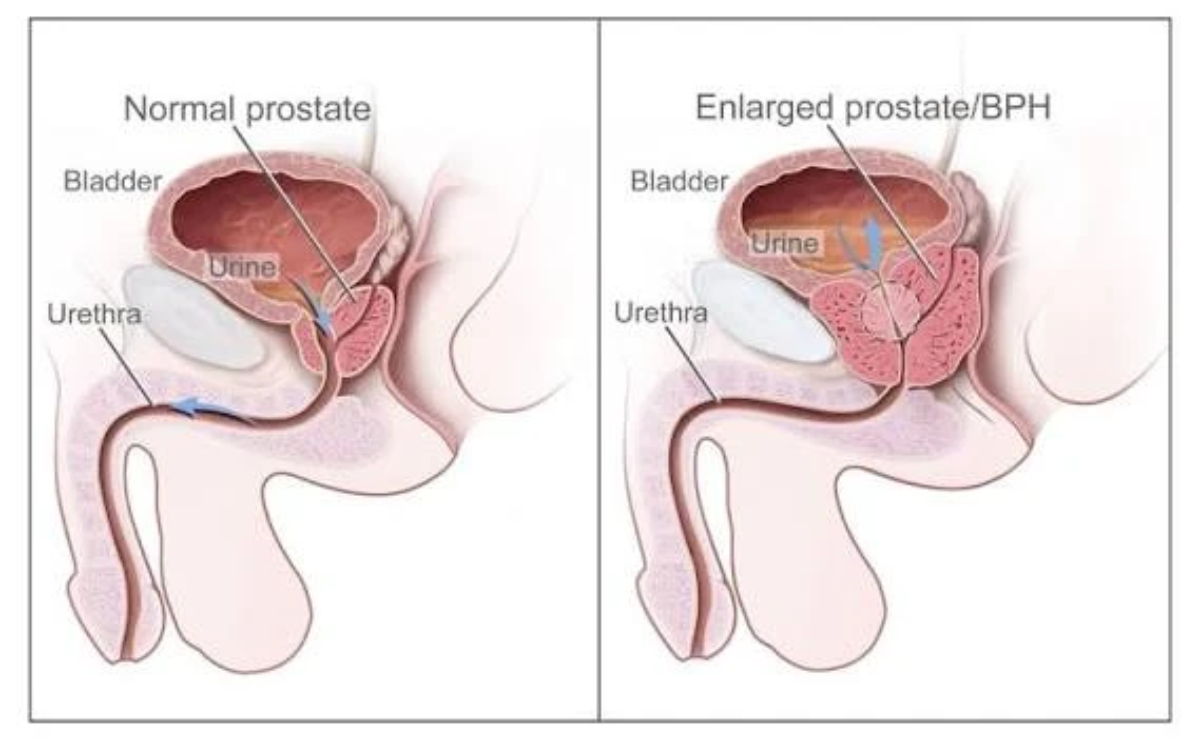
Benign Prostatic Hyperplasia (BPH): Non-cancerous enlargement causing urinary symptoms.
Prostatitis: Inflammation or infection of the prostate, causing pain and urinary issues.
Prostate Cancer: Malignant growth, one of the most common cancers in men.
All three conditions are affected by lifestyle factors, making daily habits crucial for prevention and management.
Daily Habits for Prostate Health
- Nutrition and Diet
A prostate-friendly diet emphasizes whole, plant-based foods and limits processed and animal fats:
Eat at least five servings of fruits and vegetables daily, especially tomatoes (rich in lycopene), cruciferous vegetables (broccoli, cauliflower), and berries.
Choose whole grains over refined carbohydrates (whole-grain bread, pasta, cereals).
Limit red and processed meats, which are linked to higher prostate cancer risk.
Include healthy fats such as olive oil, nuts, avocados, and fatty fish rich in omega-3 fatty acids.
Avoid sugary drinks and excessive salt, and watch portion sizes to maintain a healthy weight. - Physical Activity
Regular exercise is strongly associated with reduced risk and better management of prostate diseases:
Aim for at least 150 minutes of moderate aerobic activity per week (e.g., brisk walking, cycling).
Include strength training exercises twice weekly to maintain muscle mass and metabolic health.
Exercise helps control weight, reduce inflammation, and improve urinary symptoms in BPH. - Hydration and Bladder Habits
Smart fluid management can ease urinary symptoms, especially in BPH and prostatitis:
Limit total fluid intake to about 2 liters per day, reducing intake in the evening to prevent nocturia (nighttime urination).
Avoid bladder irritants such as caffeine, alcohol, and spicy or acidic foods.
Practice double voiding (urinate, wait, then try again) to fully empty the bladder.
Plan bathroom visits every 2–3 hours to avoid bladder overdistension. - Weight Management
Obesity is a known risk factor for BPH and aggressive prostate cancer:
Maintain a healthy body weight through balanced diet and regular exercise.
Weight loss in overweight men can improve urinary symptoms and reduce disease progression. - Avoid Smoking and Limit Alcohol
Smoking and excessive alcohol consumption worsen prostate health and treatment outcomes:
Quit smoking to reduce inflammation and cancer risk.
Moderate alcohol intake, as heavy drinking can irritate the bladder and worsen symptoms. - Stress Management and Sleep
Chronic stress and poor sleep impair immune function and hormone balance, affecting prostate health:
Practice stress-reduction techniques such as mindfulness, deep breathing, or yoga.
Aim for 6–8 hours of quality sleep nightly to support hormonal and immune health.
Medical Prevention and Screening
In addition to daily habits, medical strategies play a key role:
Regular check-ups with a urologist, especially after age 50 or earlier with family history.
PSA (Prostate-Specific Antigen) testing as recommended by your doctor for early cancer detection.
Vaccination and prompt treatment of urinary tract infections to prevent bacterial prostatitis.
Treatment Options for Prostate Diseases
When prostate disease occurs, treatment depends on the type and severity:
Benign Prostatic Hyperplasia (BPH)
Medications: Alpha-blockers (relax prostate muscles) and 5-alpha-reductase inhibitors (shrink prostate).
Minimally invasive procedures: Such as laser therapy or transurethral resection of the prostate (TURP).
Lifestyle changes: As outlined above, to manage symptoms.
Prostatitis
Antibiotics for bacterial prostatitis.
Anti-inflammatory medications and pain relievers.
Warm baths (sitz baths) and avoiding irritants like caffeine and spicy foods.
Prostate Cancer
Active surveillance for low-risk cancers.
Surgery, radiation, or hormone therapy for more advanced cases.
Lifestyle support: Diet, exercise, and weight management improve outcomes and reduce side effects.
Practical Daily Routine for Prostate Health
Here is a sample daily habit plan:
Morning: Start with a glass of water, followed by a breakfast rich in fruits, whole grains, and nuts.
Midday: Engage in 30 minutes of brisk walking or other moderate exercise.
Afternoon: Eat a lunch with vegetables, lean protein (fish or poultry), and healthy fats.
Evening: Limit fluids 2 hours before bed, avoid caffeine and alcohol, and practice relaxation techniques.
Night: Aim for 7–8 hours of uninterrupted sleep.
Conclusion
Daily habits are powerful tools for preventing and managing prostate diseases. By combining a nutrient-rich diet, regular physical activity, smart hydration, weight control, and avoidance of harmful substances, men can significantly reduce their risk and improve quality of life. Always consult a healthcare provider for personalized screening and treatment plans.