Understanding Kidney Failure: Major Causes, Warning Signs, and Prevention
Introduction
The kidneys are among the most vital organs in the human body, yet they are often taken for granted until something goes wrong. Each day, these two bean‑shaped organs filter about 120 to 150 quarts of blood, removing waste products, excess fluid, and toxins — all while maintaining the delicate chemical balance your body needs to function . When kidney function declines or stops entirely, the consequences can be life‑altering or even fatal. This article explores what kidney failure actually means, the primary factors that lead to it, how to recognize the early warnings, and most importantly — how you can protect your kidney health throughout your life. Visit https://nashs.online for more evidence‑based health information and wellness guidance.
What Is Kidney Failure?
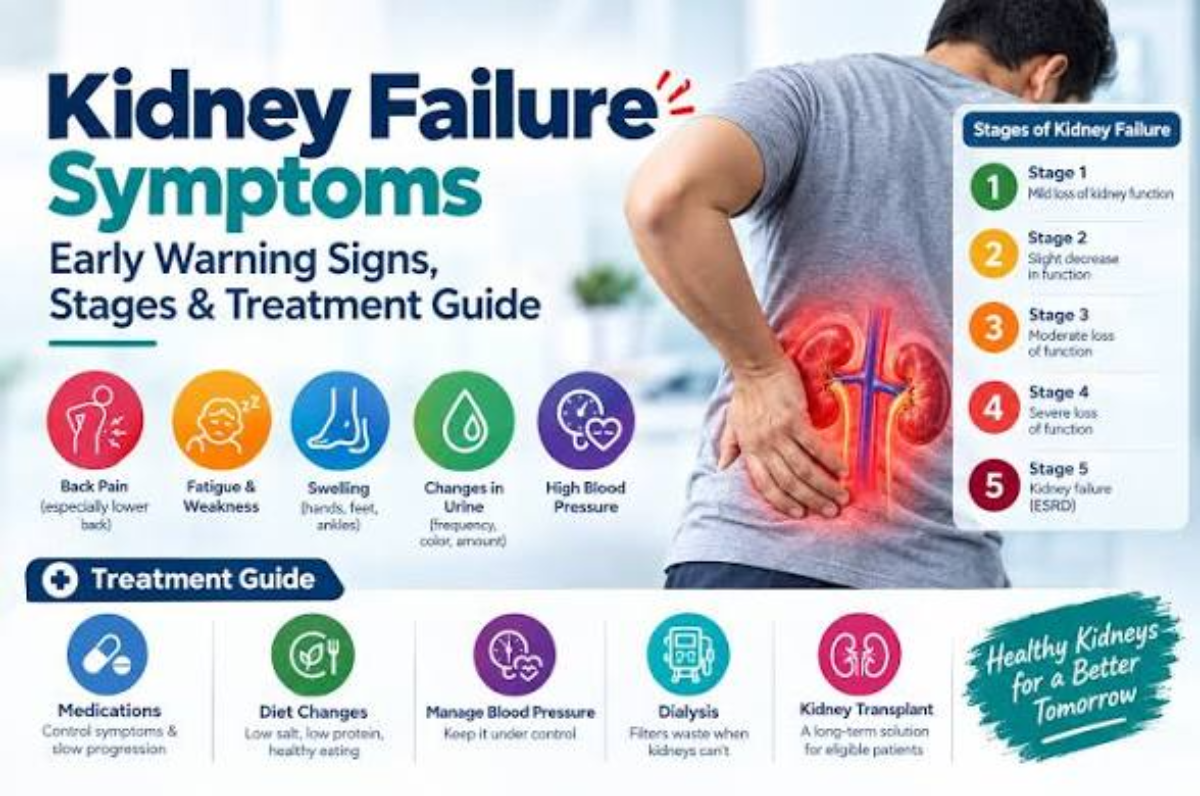
Kidney failure, also known as renal failure, occurs when the kidneys lose their ability to effectively filter waste and excess fluid from the blood . It does not happen overnight in most cases. There are two main types: chronic kidney disease, which develops gradually over months or years, and acute kidney injury, which happens suddenly — often within hours or days — due to injury, severe illness, or sudden blockage . Chronic kidney disease progresses through five stages, with kidney failure representing the final stage where dialysis or a kidney transplant becomes necessary to sustain life . The concerning reality is that approximately 90% of people living with early kidney disease are completely unaware they have it, because symptoms often do not appear until significant damage has already occurred .
The Leading Causes of Kidney Failure
Understanding what causes kidney failure is the first step toward prevention. According to health organizations worldwide, two conditions stand out above all others — diabetes and high blood pressure .
🔹 Diabetes — The Number One Cause
Diabetes is responsible for nearly half of all new cases of kidney failure globally . When blood sugar levels remain consistently high over a long period, they damage the delicate blood vessels and tiny filtering units within the kidneys. Over time, this impairs the kidneys’ ability to clean the blood properly, allowing proteins to leak into the urine and waste products to build up in the bloodstream — a condition known as diabetic nephropathy . The process can take years, which is why keeping blood sugar within target ranges is so critical for kidney protection.
🔹 High Blood Pressure — The Silent Damager
Hypertension is the second leading cause of kidney failure . Blood travels through your vessels with a certain amount of force, and consistently elevated pressure damages blood vessels throughout your entire body — including those inside the kidneys. When the arteries leading to and within the kidneys become damaged, they no longer receive the blood flow they need to function properly, gradually leading to scarring and loss of filtering ability . Kidney health and blood pressure are deeply interconnected — each can affect the other, creating a cycle that must be managed carefully .
🔹 Other Significant Causes
Beyond these two major contributors, several other conditions can lead to kidney failure:
- Glomerulonephritis: Inflammation of the kidney’s microscopic filtering units, which can be caused by infections or autoimmune diseases
- Polycystic Kidney Disease: A genetic condition where fluid‑filled cysts grow in the kidneys, gradually destroying healthy tissue
- Recurrent Infections and Blockages: Kidney stones, enlarged prostate, or chronic urinary tract infections that remain untreated can cause permanent damage over time
- Medications and Toxins: Certain pain relievers — especially NSAIDs like ibuprofen and naproxen — when used regularly over long periods, can quietly harm kidney function
- Dehydration and Critical Illness: Severe dehydration, infections like sepsis, or major surgery can suddenly reduce blood flow to the kidneys, causing acute kidney injury
Recognizing the Warning Signs
Because kidney disease is often silent in its early stages, being aware of subtle changes in your body is essential. Signs that kidney function may be declining include: persistent swelling in the feet or ankles, fatigue and difficulty concentrating, changes in urination frequency or appearance, persistent itching, muscle cramps, unexplained nausea, and shortness of breath. However, these symptoms are not specific to kidney issues alone, which underscores the importance of routine blood and urine tests — especially if you have diabetes, high blood pressure, or a family history of kidney disease . Simple tests such as checking creatinine levels in the blood and looking for protein in the urine can detect kidney issues years before symptoms appear.
How You Can Protect Your Kidneys
The encouraging news is that lifestyle changes and early management can significantly slow or even prevent kidney disease progression . Here is what you can do:
✅ Keep blood sugar and blood pressure under control — Work with your healthcare provider to establish and maintain healthy target numbers that are right for you
✅ Stay well hydrated — Drinking adequate water helps your kidneys clear sodium and toxins from your system without overburdening them
✅ Eat a kidney‑friendly diet — Focus on fresh vegetables, fruits, whole grains, and lean proteins while limiting salt, processed foods, and excessive red meat
✅ Use medications carefully — Avoid overusing pain relievers such as ibuprofen or naproxen without medical guidance, and always consult your doctor before starting new medications
✅ Quit smoking and limit alcohol — Smoking slows blood flow to the kidneys and interferes with blood pressure medications, while heavy drinking increases kidney disease risk
✅ Get regular check‑ups — If you have diabetes, hypertension, or a family history of kidney disease, annual kidney function tests are your best defense
Conclusion
Kidney failure is often preventable. The greatest challenge is not a lack of treatment options — it is lack of awareness. By understanding what puts our kidneys at risk and making consistent, healthy choices every day, we can protect these essential organs and preserve our health for the long term. Your kidneys work hard for you every second of every day — they deserve your attention and care.
📌 Useful Links:
- https://nashs.online — Your trusted source for health and wellness information
- https://www.kidney.org — National Kidney Foundation resources
- https://my.clevelandclinic.org — Medical reference on kidney health
- https://medlineplus.gov — Medical encyclopedia from the National Institutes of Health