The Science of Sleep: How Quality Rest Shapes Your Health
Sleep is often the first thing sacrificed in a busy schedule, yet research consistently shows it is one of the most powerful — and underrated — pillars of health, standing alongside nutrition and physical activity.
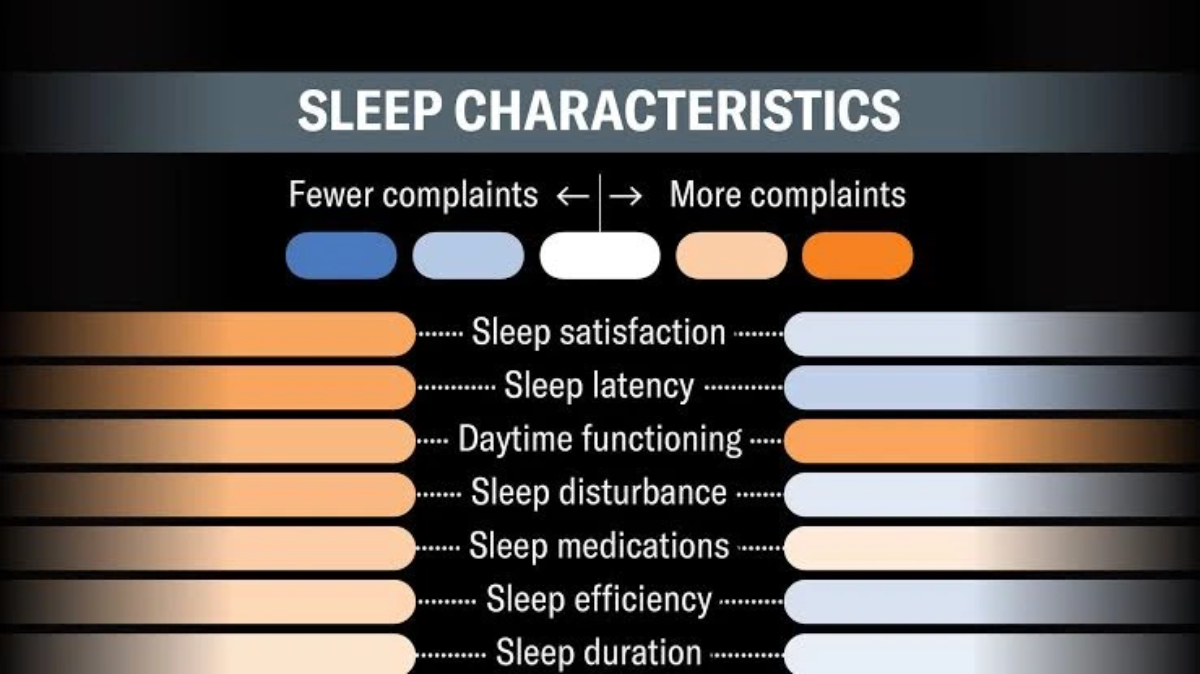
Understanding the benefits of sleep for health can help explain why consistent, quality rest matters so much, and why so many doctors and researchers now treat sleep as a measurable vital sign rather than a lifestyle afterthought.
In this article, we’ll break down what happens in the body during sleep, what the science says about the risks of chronic sleep loss, and practical, evidence-informed habits that support healthier rest.
What Happens While We Sleep
Sleep is not a passive “shutdown” state. The brain and body move through several cycles each night, alternating between light sleep, deep sleep, and REM (rapid eye movement) sleep. During deep sleep, the body focuses on physical repair:
tissue growth, muscle recovery, and immune system reinforcement. During REM sleep, the brain is highly active, playing a key role in memory consolidation, emotional processing, and learning.
Each stage serves a distinct purpose, and disrupting the natural cycle — through irregular schedules, screen exposure, or chronic stress — can reduce the restorative value of sleep even if total hours appear sufficient.
Why Sleep Matters for Long-Term Health
Scientific studies have linked chronic sleep deprivation to a range of health concerns, including:
.Weakened immune response — reduced sleep is associated with a higher susceptibility to common infections.
.Metabolic imbalance — insufficient sleep can affect hormones that regulate hunger and blood sugar, which researchers associate with weight gain over time.
.Cardiovascular strain — long-term sleep disruption has been associated with elevated blood pressure and increased cardiovascular risk in population studies.
.Cognitive decline — poor sleep quality is linked to reduced concentration, slower reaction time, and impaired memory formation.
.Mental health impact — sleep and mood are closely connected; disrupted sleep patterns are commonly observed alongside stress, anxiety, and low mood.
These are associations observed in scientific literature, not guarantees for any individual — genetics, lifestyle, and overall health all play a role.
General, Evidence-Informed Habits That Support Better Sleep
The following are widely recognized general wellness habits — not a personalized treatment plan:
1-Keep a consistent schedule. Going to bed and waking up at similar times, even on weekends, helps regulate the body’s internal clock.
2.Limit screen exposure before bed. Blue light from phones and laptops can interfere with the body’s natural production of melatonin, the hormone that signals it’s time to sleep.
3-Create a cool, dark, quiet environment. Studies suggest a cooler room temperature is generally more conducive to falling and staying asleep.
4-Watch caffeine timing. Caffeine can remain active in the body for several hours, so consuming it later in the day may affect sleep onset.
5-Get natural light exposure during the day. Daylight exposure, especially in the morning, helps reinforce a healthy sleep-wake rhythm.
6-Be mindful of alcohol close to bedtime. While alcohol may cause drowsiness initially, it is associated with more fragmented, lower-quality sleep later in the night.
How Much Sleep Do You Actually Need?
Sleep needs vary by age and individual physiology, but general guidelines from major health organizations offer a useful benchmark:
.Adults (18–64 years): approximately 7–9 hours per night
.Older adults (65+): approximately 7–8 hours per night
.Teenagers (14–17 years): approximately 8–10 hours per night
.School-age children (6–13 years): approximately 9–11 hours per night
These are general population ranges, not fixed targets — some people naturally function well on the lower end, while others need more. What matters most is consistency and how rested a person feels during the day, not just the total number of hours logged.
Common Myths About Sleep
Misinformation about sleep is widespread. A few common myths worth correcting:
.You can catch up on sleep over the weekend.” While extra sleep can partially offset short-term deprivation, research suggests it does not fully reverse the metabolic and cognitive effects of chronic sleep debt.
.Alcohol helps you sleep better.” As noted earlier, alcohol may shorten the time it takes to fall asleep but tends to reduce overall sleep quality later in the night.
.Snoring is always harmless.” While common, loud or frequent snoring — especially with pauses in breathing — can be a sign of sleep apnea, a condition that benefits from medical evaluation.
.The brain rests completely during sleep.” In reality, the brain remains highly active during REM sleep, performing essential functions like memory consolidation.
When to Seek Professional Guidance
Occasional poor sleep is common and usually not a cause for concern. However, persistent symptoms — such as chronic insomnia, loud snoring with breathing pauses, excessive daytime fatigue despite adequate time in bed, or sleep problems that interfere with daily functioning — may indicate an underlying sleep disorder. These situations are best evaluated by a physician or a certified sleep specialist, who can properly assess symptoms and recommend appropriate next steps.
The Bottom Line
Sleep is a biological necessity, not a luxury. While lifestyle habits can support healthier sleep patterns, no article can replace personalized medical guidance. Anyone experiencing ongoing sleep difficulties or related health concerns should speak with a qualified healthcare professional.
Medical Disclaimer:
This article is for general informational and educational purposes only and does not constitute medical advice. It is not intended to diagnose, treat, cure, or prevent any disease or health condition. Always consult a licensed physician or qualified healthcare provider before making any decisions related to your health, starting or stopping any treatment, or if you have questions about a medical condition. Reliance on any information provided in this article is solely at your own risk. Nashs.online, its authors, and publishers accept no liability for any loss, injury, or damage arising from the use of this content.
Useful Links:
https://fast-convert.net
https://tech.nashs.online