The Science of Daily Wellness: Simple, Evidence-Based Habits for Long-Term Health
Introduction Good health is not the result of one single action or miracle product — it is built from small, consistent choices repeated over time. Modern science confirms that most people can maintain strong physical and mental well-being through straightforward, sustainable habits, without the need for extreme diets, expensive supplements, or complicated routines.
This article presents scientifically supported principles that anyone can follow, with clarity and practicality in mind.
⚠️ Important Disclaimer This article is for informational and educational purposes only. It does not provide medical advice, diagnosis, or treatment. Nothing in this content is intended to replace professional medical consultation, care, or treatment from a qualified healthcare provider. Always seek the advice of your physician or other qualified health professional with any questions you may have regarding a medical condition. Never disregard professional medical advice or delay in seeking it because of something you have read here.
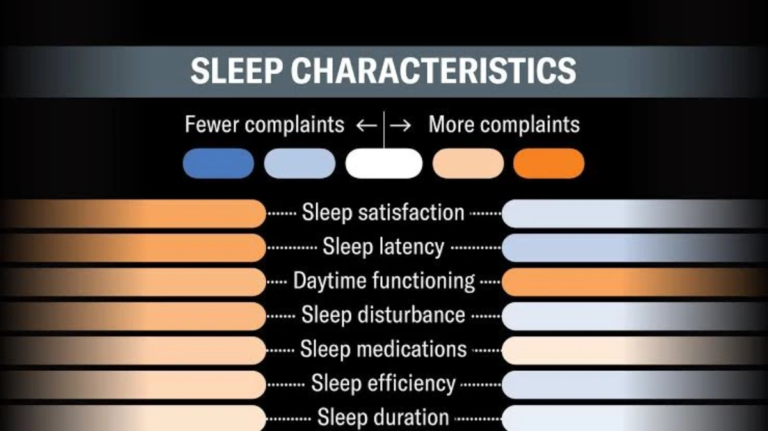
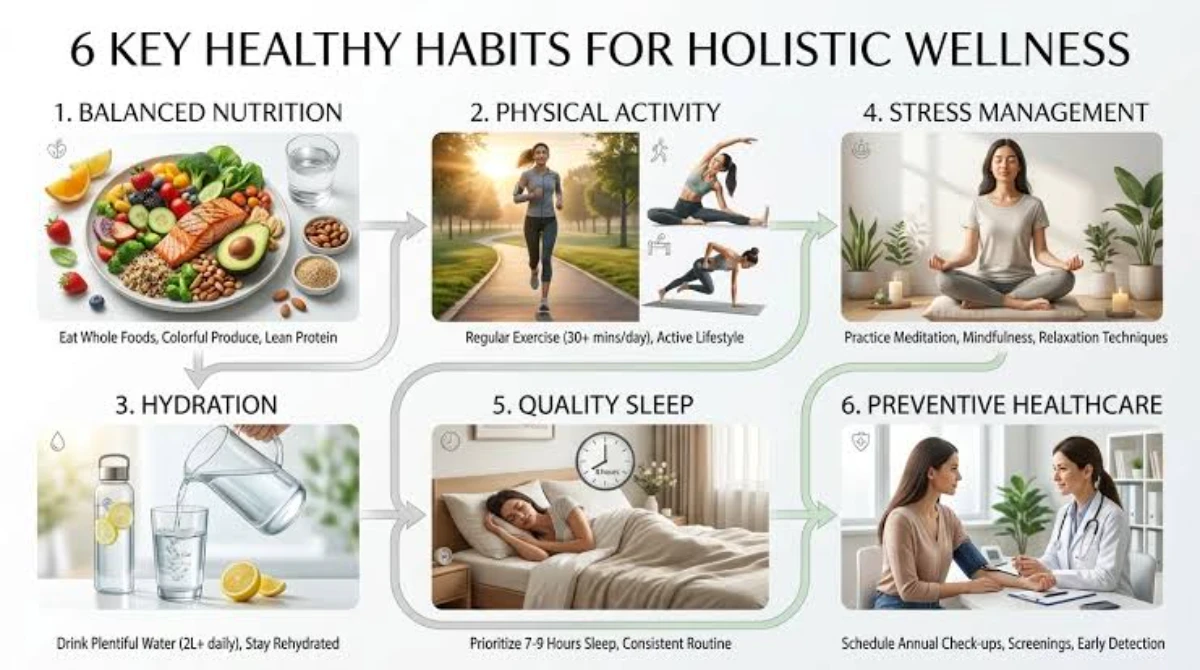
1. Sleep: The Foundation of Physical and Mental Repair Sleep is not merely “rest” — it is an active biological process essential for survival. During sleep, the body repairs tissues, regulates hormone levels, strengthens the immune system, and consolidates memory and learning. – Science says: Most adults function best with 7 to 9 hours of quality sleep per night. Irregular sleep patterns have been linked to higher risks of metabolic imbalance, weakened immunity, reduced focus, and long-term cardiovascular concerns.- Practical habit: Aim for consistent bed and wake-up times, even on days off. Limit screens and bright light 1 hour before sleep, and keep your sleeping space dark, quiet, and comfortably cool.
2. Nutrition: Fuel, Not Perfection Your body needs a balanced mix of nutrients to operate efficiently. No single food makes you healthy or unhealthy — overall patterns matter far more than individual meals. – Science says: A diet rich in vegetables, fruits, whole grains, lean proteins, and healthy fats provides the vitamins, minerals, fiber, and energy the body requires. Limiting excess sugar, highly processed foods, and excessive sodium supports steady energy levels and long-term well-being.- Practical habit: Build meals around whole, unprocessed foods whenever possible. Drink water throughout the day — hydration supports digestion, temperature regulation, and mental clarity.
3. Movement: Designed to Be Active The human body was built for movement. Regular physical activity strengthens the heart, bones, and muscles; improves mood; enhances sleep; and supports healthy metabolism. – Science says: Experts recommend at least 150 minutes of moderate activity — such as brisk walking — spread across the week, plus simple strength work twice a week. Even short, daily movement adds up; you do not need intense exercise to see benefits.- Practical habit: Walk more, take stairs when safe, stretch regularly, and choose activities you actually enjoy — consistency beats intensity.
4. Mental Well-Being: Your Mind Matters Too Physical health and mental health are inseparable. Chronic stress, when unmanaged, can affect sleep, appetite, immunity, and emotional balance. – Science says:
Practices such as deep breathing, spending time in nature, connecting with people you trust, and setting aside time for rest all help regulate stress responses in the body and mind.- Practical habit: Make time for activities that help you relax and recharge. Limit constant exposure to stressful information or screens. Be kind to yourself — rest is productive, not lazy.
5. Prevention and Awareness Understanding your own body is one of the most powerful tools for health. Notice changes, keep up with routine check-ups as recommended by your doctor, and know when to seek professional guidance. – Science says: Early identification and professional management are key to addressing most health concerns eeffectively
Regular check-ups help you stay informed about your own health status.- Practical habit: Know your family health history where possible.
Follow your healthcare provider’s personalized advice — recommendations are tailored to your unique needs. Conclusion True wellness is not about perfection, trends, or quick fixes — it is about balance, consistency, and respect for your body. Small, steady steps taken every day create the strongest foundation for health. Listen to your body, be patient with yourself, and always consult a qualified healthcare professional for any specific health concerns.
Conclusion
True wellness is not about perfection, trends, or quick fixes — it is about balance, consistency, and respect for your body. Small, steady steps taken every day create the strongest foundation for health. Listen to your body, be patient with yourself, and always consult a qualified healthcare professional for any specific health concerns.