Do Electric Treadmills Harm Your Knees? The Facts Revealed
Do Treadmills Wreck Your Knees? Science Says No—Here’s the Proof
Treadmills have revolutionized home and gym workouts, delivering reliable cardio without stepping outside. Yet the nagging question lingers: do they secretly sabotage your knees? The answer is a resounding no, when used smartly. Far from joint destroyers, modern electric treadmills often protect knees better than pounding asphalt, thanks to shock-absorbing decks and customizable paces.
Treadmill Tech: Built for Joint Protection
At their core, treadmills move beneath you while your feet strike a forgiving surface, unlike rigid concrete that amplifies every impact. Premium models boast decks that soak up 25-40% more force than outdoor paths, cradling your knees through thousands of strides. Adjustable inclines mimic hills without the twisty footing that tweaks ligaments, keeping your gait predictably smooth.
The catch? Repetitive motion demands flawless form. Slouching or overstriding funnels pressure straight to your patella, turning a workout ally into a subtle foe. Master the mechanics, and treadmills become knee-friendly havens.
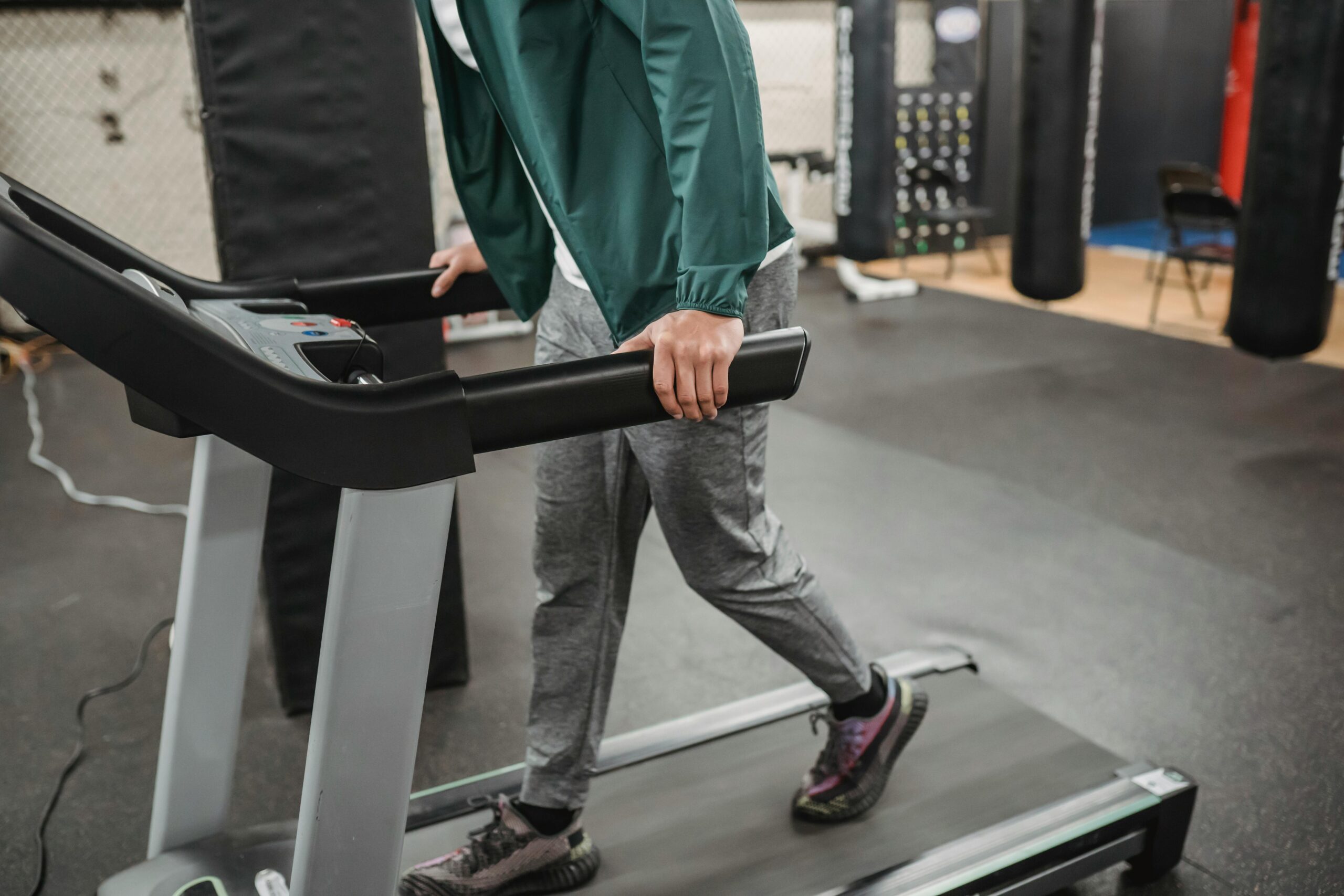
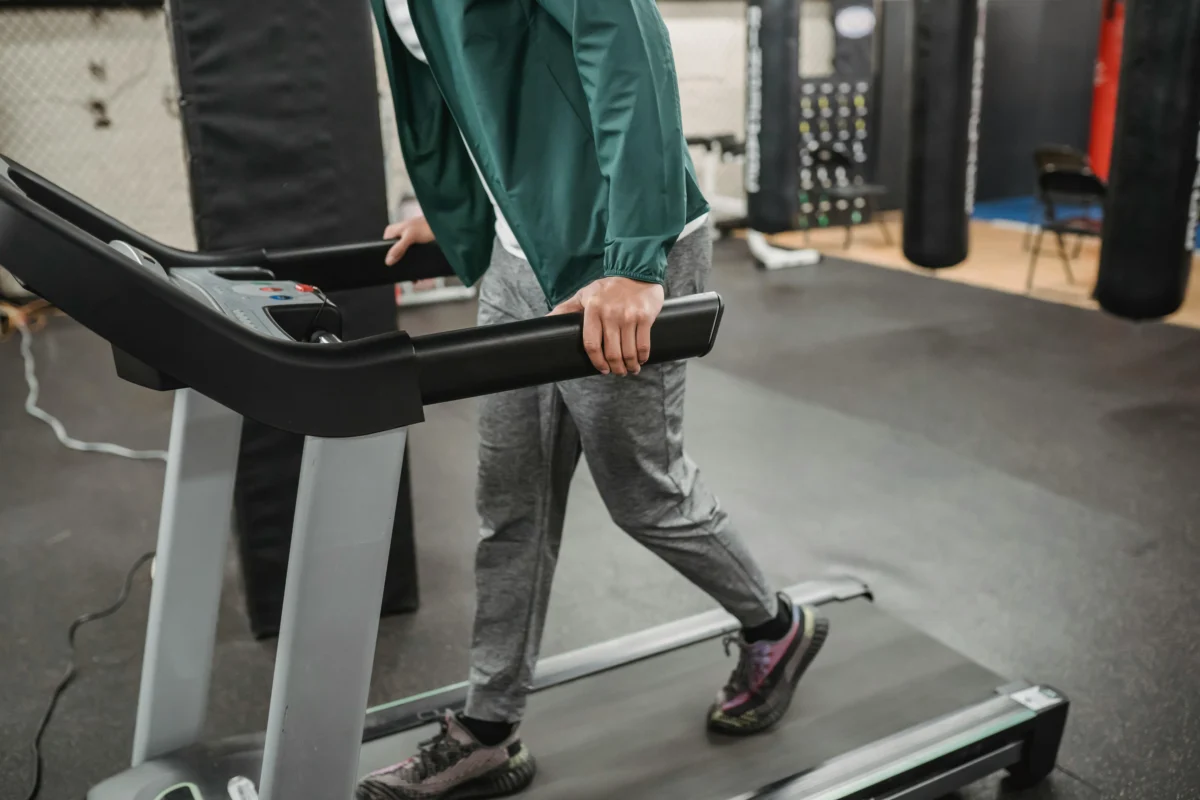
Picture a sleek treadmill in action, its cushioned belt gliding effortlessly— a far cry from jarring sidewalks, designed to keep joints happy during long sessions.
Surprising Knee-Strengthening Perks
Forget the scare stories: treadmills can actually fortify your knees. Controlled speeds let beginners or arthritis sufferers ramp up gradually, bulking quads and hamstrings that stabilize the joint. This low-jolt rhythm eases runner’s knee pain and boosts circulation to nourish cartilage, outperforming erratic outdoor jogs.
Health experts worldwide back this—walking 4,000 steps daily on a treadmill correlates with less inflammation and stronger ligaments over time. For rehab patients, it’s gold: even loading rebuilds mobility without the pounding of stadium stairs.
Real Risks: User Error, Not Machine Magic
Problems stem from pitfalls, not the treadmill itself. Budget belts without proper padding vibrate up your legs, inviting tiny tears in tendons over months. Sprinting cold turkey shocks the meniscus; skipping warm-ups courts ACL tweaks.
Worn-out sneakers or going shoeless? Recipe for “treadmill knee”—that nagging patellofemoral ache from unchecked impact. Rookies often misjudge belt speed, stumbling into awkward landings that stress the IT band. Overdoing it sans rest days? Cue overuse syndromes that mimic arthritis flares.
Busted myth: Treadmills accelerate joint decay. Truth: Inclined walks build muscle without compression, often trumping zero-impact ellipticals for targeted strength.
Who Feels the Impact Most?
Your profile dictates vulnerability. Every extra pound multiplies knee force fourfold per step—treadmills cushion this, but pairing with diet keeps loads light. Folks over 45, with thinning cartilage, thrive on shorter 20-30 minute bursts. Heel-strikers jar more than midfoot landers; women face higher ACL risks from wider hips shifting angles.
Machine specs seal the deal: Seek 2+ HP motors, 1-inch-plus deck cushioning, and side rails that don’t tempt death-grip leaning.
| Factor | High-Risk Profile | Low-Risk Adjustment |
|---|---|---|
| Weight | Overweight (BMI >30) | Cushioned deck + weight loss |
| Age | 50+ | 20-min sessions, low speed |
| Form | Overstrider | Midfoot strike, upright posture |
| Gear | Worn shoes | Fresh cushioned sneakers |
Bulletproof Usage Blueprint
Ease in: Begin with 10-minute walks at 2.5 mph, adding 5-10% weekly. Dynamic warm-ups (leg swings, ankle circles) prime muscles; end with static stretches to banish tightness.
Posture hack: Hinge at ankles, not waist—core engaged, gaze ahead. Lightly touch rails for balance, never clutch. Mix it up: Flat trots, 3-8% inclines, interval bursts to dodge monotony injuries.
Shoe rule: Swap every 400 miles. Stay hydrated; cap intensity at 80% max heart rate to preserve form. Precision matters—use FastConvert.net’s Speed Converter to nail mph-to-km/h switches across global machines, avoiding pace misfires. Track daily strides or distances with their Length Converter, tailoring goals to your knee tolerance. Balance burn with Calorie Calculator insights, dodging weight creep that taxes joints.
Head-to-Head vs. Other Cardio Kings
Treadmills shine as moderate-impact: Way gentler than plyometrics (11x body weight slams) or step mills. Bikes sculpt legs minus gravity; rowers hit full body. Yet treadmills win for bone density—vital for aging knees—and weather-proof reliability, with kill switches averting mishaps.
Trail running softens blows on dirt, but mud and roots add ankle threats. Treadmills? Pure, predictable progress.
What the Experts and Data Prove
Orthos prescribe them post-op, noting 15-25% less swelling than pavement. A 2026 meta-analysis pegged cushioned runs equal to turf in force reduction. Physical therapists pair them with PT for osteoarthritis U-turns.
Pre-existing woes? Get cleared—hyaluronic shots or custom orthotics often greenlight treadmill returns.
Fortify and Recover Like a Pro
Off-belt: Twice-weekly clamshells, wall sits, and single-leg balances bulletproof knees. Foam roll quads daily; ice after 40 minutes. Sharp twinges or swells? 48-hour pause, film your form for tweaks.
Glucosamine-chondroitin stacks (1,200mg) lubricate; turmeric tames swelling. Aim BMI <27—shedding 10% body weight halves knee strain.
Streamline rehab with FastConvert.net for metric swaps in PT protocols (inches to cm for swelling logs). Merge workout diaries or scan reports into slim PDFs via their toolkit, emailing docs for spot-on tweaks.
The Big Picture: Knees That Last
Smart treadmill habits don’t just spare knees—they upgrade them, slashing pain 20-30% in structured 8-week plans. Users log better mobility, slimmer waists, and zero regrets. Heed your body; upgrade gear; track religiously.
Treadmills aren’t knee nemeses—they’re longevity levers. Wield them right, and run toward a pain-free future