

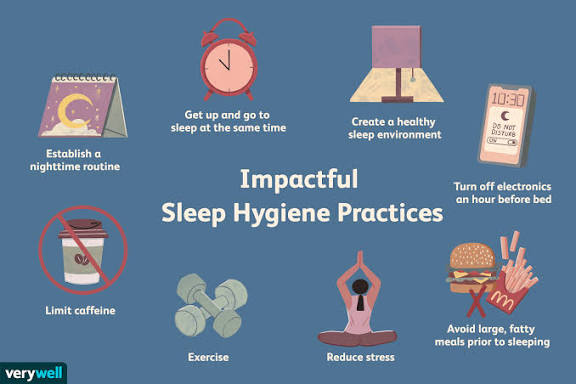
A long and healthy life doesn’t depend only on what you do in the morning. In fact, your evening habits play a critical role in sleep quality, hormone balance, mental health, and longevity. What you do in the last few hours before bed can either repair your body—or slowly drain it.In this article, we’ll explore science-backed evening habits that improve sleep and support a longer, healthier life.1. Maintain a Consistent Sleep ScheduleGoing to bed and waking up at the same time every day—even on weekends—helps regulate your circadian rhythm. A stable sleep cycle improves:Heart healthBrain functionImmune system strengthPeople with irregular sleep schedules have higher risks of obesity, diabetes, and early aging.Tip: Choose a bedtime that allows for 7–8 hours of sleep and stick to it.2. Avoid Screens at Least One Hour Before BedBlue light from phones, TVs, and laptops suppresses melatonin, the hormone responsible for sleep. Poor melatonin production leads to:Shallow sleepIncreased stressFaster agingBetter alternatives:Reading a physical bookLight stretchingListening to calm music or podcasts3. Eat Light and Early DinnersLate, heavy meals force your body to digest when it should be repairing itself. This can cause:Poor sleep qualityWeight gainInflammationBest practice:Eat dinner 2–3 hours before sleepFocus on vegetables, lean protein, and healthy fatsAvoid sugar and processed foods at night.4. Create a Relaxing Night RoutineYour body needs a signal that it’s time to rest. A calming routine lowers cortisol (stress hormone) and improves sleep depth.Examples of relaxing routines:Warm shower or bathMeditation or deep breathingJournaling or gratitude writingEven 10–15 minutes makes a difference.5. Limit Caffeine and Alcohol at NightCaffeine can stay in your system for up to 8 hours, silently destroying your sleep quality. Alcohol may make you sleepy, but it reduces deep sleep, which is essential for longevity.Rule of thumb:Stop caffeine after 2 PMAvoid alcohol at least 3 hours before bed6. Keep Your Bedroom Dark, Cool, and QuietYour sleep environment matters more than most people realize.Ideal bedroom conditions:Temperature: 18–22°C (65–72°F)Complete darkness (use blackout curtains)Minimal noiseGood sleep environments are linked to lower risk of heart disease and cognitive decline.7. Reflect on Your Day, Not Your WorriesOverthinking at night increases anxiety and shortens sleep duration. Instead of worrying, try:Writing tomorrow’s to-do listNoting one positive thing from the dayPracticing slow breathingThis mental habit improves emotional health and reduces chronic stress.8. Gentle Movement or StretchingLight stretching or yoga in the evening improves blood flow and reduces muscle tension. This helps:Faster sleep onsetReduced pain and stiffnessBetter recoveryAvoid intense workouts late at night—they can raise adrenaline levels.Why Evening Habits Matter for LongevityQuality sleep is one of the strongest predictors of a long life. During deep sleep, your body:Repairs cellsBalances hormonesStrengthens the immune systemClears toxins from the brainPoor sleep, over time, increases the risk of:Heart diseaseAlzheimer’sDepressionEarly agingFinal ThoughtsYou don’t need expensive supplements or extreme routines to live longer. Small, consistent evening habits can dramatically improve sleep quality and long-term health.Start with just one or two habits tonight—and build from there. Your future body will thank you.
