
Psychological Impact of Prostate Cancer
Psychological Impact of Prostate Cancer
Prostate cancer is one of the most common cancers affecting men worldwide, yet its effects go far beyond physical health. While medical discussions often focus on diagnosis, treatment options, and survival rates, the psychological impact of prostate cancer remains an equally important aspect that deserves attention. Men diagnosed with prostate cancer frequently face emotional, mental, and social challenges that can significantly affect their quality of life.
The moment of diagnosis is often overwhelming. Many patients experience shock, fear, and uncertainty about the future. The word “cancer” itself can trigger anxiety, even when the prognosis is favorable. For some men, the diagnosis challenges their sense of identity and masculinity, especially since the prostate is closely associated with sexual and reproductive health. This emotional burden can lead to feelings of vulnerability that many men are not accustomed to expressing.
One of the most common psychological responses to prostate cancer is anxiety. Patients often worry about the progression of the disease, the effectiveness of treatments, and the possibility of recurrence. These concerns can persist even after successful treatment, creating a constant sense of unease. For example, a man undergoing regular PSA (prostate-specific antigen) testing may feel intense stress before each appointment, fearing bad news even when there are no symptoms.
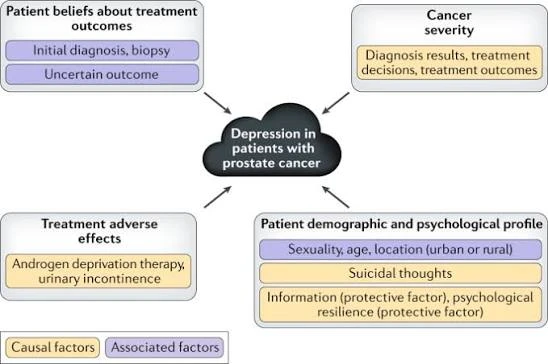
Depression is another significant issue linked to the psychological impact of prostate cancer. The combination of physical side effects, such as fatigue, pain, and changes in sexual function, can contribute to a loss of interest in daily activities and relationships. Some men may withdraw socially, avoid discussing their condition, or struggle with feelings of hopelessness. This is particularly concerning because men are generally less likely to seek mental health support compared to women, which can worsen their emotional state over time.
Sexual dysfunction is a major factor influencing mental health in prostate cancer patients. Treatments such as surgery or radiation therapy can lead to erectile dysfunction or reduced libido. These changes can deeply affect self-esteem and intimate relationships. Many men associate sexual performance with masculinity, so experiencing these issues can lead to embarrassment, frustration, and even relationship conflicts. Open communication with partners and healthcare providers is crucial, but it is often difficult for patients to initiate these conversations.
Another aspect of the psychological impact of prostate cancer is the feeling of loss of control. Patients may feel that their lives are dictated by medical appointments, treatment schedules, and physical limitations. This loss of autonomy can lead to frustration and helplessness. Additionally, side effects like urinary incontinence can create social anxiety, causing patients to avoid public situations or travel due to fear of embarrassment.
Support systems play a vital role in managing the psychological effects of prostate cancer. Family, friends, and support groups can provide emotional comfort and practical assistance. Men who share their experiences with others facing similar challenges often feel less isolated. For instance, joining a prostate cancer support group—either in person or online—can help patients exchange coping strategies and build a sense of community.
Healthcare providers also have a responsibility to address the psychological impact of prostate cancer. Integrating mental health support into cancer care can significantly improve patient outcomes. Counseling, cognitive behavioral therapy (CBT), and stress management techniques such as mindfulness or relaxation exercises can help patients cope with anxiety and depression. Unfortunately, mental health care is sometimes overlooked in oncology settings, making it important for patients and families to advocate for comprehensive care.
Cultural and societal expectations can further complicate the psychological experience of prostate cancer. In many cultures, men are expected to be strong and emotionally reserved, which can discourage them from expressing vulnerability or seeking help. This stigma can prevent early intervention for mental health issues, allowing problems like depression and anxiety to worsen. Encouraging open conversations about men’s health—both physical and psychological—is essential to breaking down these barriers.
Lifestyle changes can also support mental well-being during and after prostate cancer treatment. Regular physical activity, a balanced diet, and adequate sleep can improve mood and reduce stress. Activities such as walking, yoga, or meditation can help patients regain a sense of control over their bodies and minds. Even small daily routines can provide stability and comfort during uncertain times.
It is important to recognize that the psychological impact of prostate cancer does not end with treatment. Survivorship comes with its own challenges, including fear of recurrence and adjusting to a “new normal.” Some men may continue to experience emotional distress long after they are medically cleared. Ongoing support and follow-up care are essential to ensure long-term mental health and well-being.
In conclusion, the psychological impact of prostate cancer is a critical aspect of patient care that should not be overlooked. From anxiety and depression to changes in self-image and relationships, the emotional challenges can be profound. Addressing these issues requires a holistic approach that includes medical treatment, mental health support, and strong social connections. By raising awareness and encouraging open dialogue, we can help men navigate the emotional journey of prostate cancer with resilience and hope.