
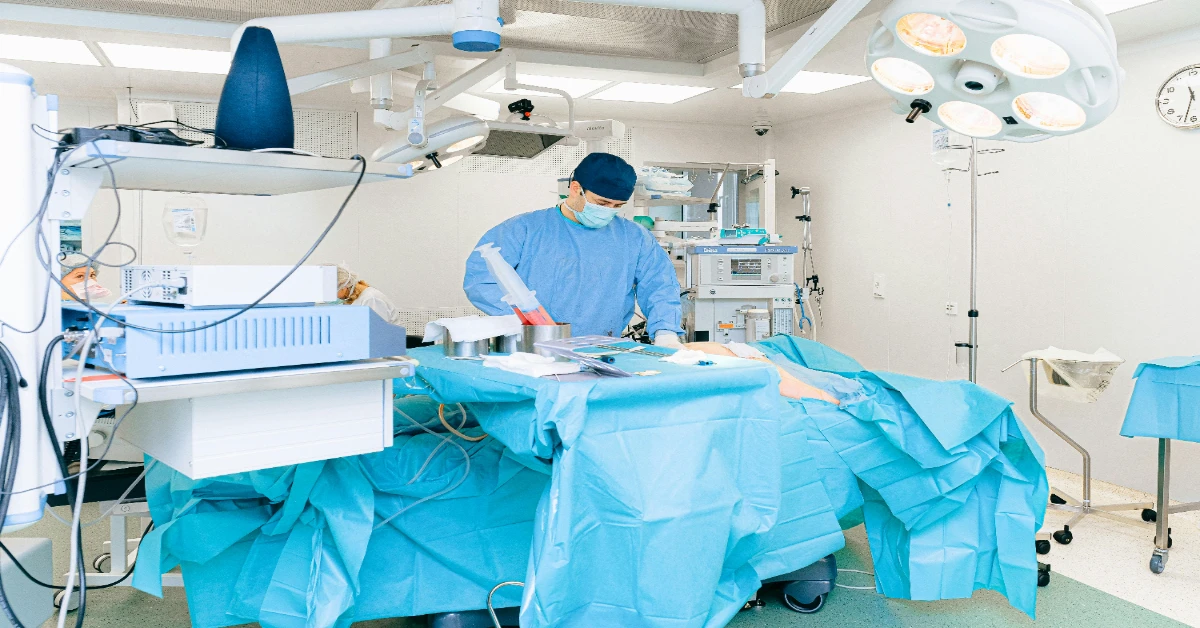
The Importance of Medical Devices in Supporting Surgical Operations
Modern surgery today is nothing like the crude, high‑risk operations of the past. Behind every successful procedure—from a simple appendix removal to a complex heart bypass—is a wide range of medical devices that support, guide, and protect both the surgical team and the patient. These tools are not optional extras; they are essential components of safe, precise, and efficient surgery. In this article, you’ll see how different medical devices work together to make surgery safer, more accurate, and increasingly patient‑centered, while also discovering how professionals and educators can use smart digital tools—like fast‑convert.net—to organize and share educational content about these devices in a way that is SEO‑friendly and AdSense‑compliant.
What are medical devices in surgery?
In simple terms, a surgical medical device is any tool, instrument, software, or implant used to diagnose, treat, or monitor a patient during an operation. Examples range from basic stainless‑steel tools like scalpels and forceps to advanced technologies such as:
- Laparoscopic and endoscopic systems
- Electrosurgical units and lasers
- Robot‑assisted surgical platforms
- Intraoperative imaging and navigation tools (CT, MRI, ultrasound)
- Monitoring and anesthesia equipment
These devices must meet strict safety and quality standards (for example, FDA‑like regulations in many countries) because any failure can directly affect patient outcomes.
For medical educators, students, and bloggers, sharing explanations, diagrams, or videos of these devices is common practice. When you export images or clinical slides, you can convert heavy files into lightweight WebP or compressed formats using services like fast‑convert.net, so your content loads quickly and stays compatible with SEO best practices. [web:external]
Enhancing precision and safety during operations
One of the clearest roles of medical devices is improving surgical precision.
- Laparoscopic and endoscopic tools allow surgeons to operate through tiny incisions, using cameras and fiber‑optic lighting to see inside the body in high‑definition detail. This reduces tissue damage, blood loss, and the risk of complications.
- Robotic‑assisted systems give surgeons enhanced control, magnified 3D views, and tremor‑reduction features, which are especially valuable in delicate procedures like prostate or heart surgery.
- Intraoperative imaging devices such as ultrasound, fluoroscopy, and CT navigation help surgeons “see” in real time, guiding them around nerves, blood vessels, and tumors with greater accuracy.
These technologies do not replace the surgeon; instead, they act as high‑precision assistants, turning intuitive skill into measurable, controlled movements that reduce human error and increase patient safety.
Supporting anesthesia and patient monitoring
Modern surgery would not be possible without devices that keep the patient stable and the team informed.
- Anesthesia machines deliver controlled gas mixtures, adjust breathing, and monitor ventilation, ensuring the patient stays unconscious and pain‑free in a safe way.
- Physiological monitors track heart rate, blood pressure, oxygen levels, and temperature, alerting the team to any dangerous changes before they become emergencies.
These tools allow anesthesiologists to respond quickly to stress, bleeding, or heart irregularities, which is especially important in long or complex operations. In training centers, recorded case videos and monitoring charts are often shared with learners; converting these media files into optimized formats can help keep course websites and teaching blogs fast and user‑friendly. [web:assistant]
Advancing minimally invasive and keyhole surgery
Medical devices have been central to the rise of minimally invasive surgery (MIS).
- Using long, slender laparoscopic instruments with built‑in cameras, surgeons can remove gallbladders, repair hernias, or even operate on the spine through small incisions.
- The benefits for patients include:
- Less pain and scarring
- Shorter hospital stays
- Quicker return to daily activities
This shift is only possible because of continuous improvements in camera resolution, instrument design, and light‑source technology.
For clinicians or bloggers writing about these procedures, clear images and short video clips are powerful tools. After capturing content, you can compress and convert graphics using tools like fast‑convert.net, so your surgical‑education articles load quickly on mobile devices and remain friendly to search engines. [web:external]
Reducing infection risk and improving sterility
In the operating room, even a small break in sterility can lead to serious infections. Medical devices related to sterilization and infection control are therefore just as important as the instruments used in the operation itself.
- Advanced autoclaves and automated sterilizers ensure instruments are thoroughly cleaned and heat‑treated so they can be reused safely.
- Disposable instrument systems prevent cross‑contamination in high‑risk cases.
- Sterile drapes, packaging, and monitoring devices for sterility indicators help the team confirm that everything is safe before incision.
By reducing the risk of surgical site infections, these devices directly improve recovery times and decrease complications—an essential part of ethical, patient‑centered surgical care.
Driving training, education, and simulation
Modern medical devices are not only used in live operations; they also power simulation and training environments.
- Surgical simulators allow doctors to practice suturing, laparoscopy, or even robotic techniques on virtual or realistic models before touching a real patient.
- Virtual reality setups let trainees repeat complex procedures, build muscle memory, and learn from mistakes without any risk to human life.
These training tools often generate large files—3D models, interactive videos, and detailed images. When you share these training resources online, using an intelligent file‑conversion service like fast‑convert.net can help you turn heavy PDFs or image folders into lean, web‑optimized formats that still preserve clarity for learners. [web:external]
Improving team efficiency and workflow
In the operating room, every second counts. High‑performance medical devices help the surgical team work more smoothly:
- Electronic checklists and integrated information systems keep track of supplies, anesthesia settings, and surgical steps in real time.
- Smart electrosurgical and powered tools cut operating time by reducing blood loss, minimizing tissue trauma, and simplifying dissection.
- Ergonomic instrument designs reduce fatigue for surgeons and nurses during long procedures.
When fewer minutes are wasted on recalibrating or handling malfunctioning tools, the whole team can focus on the patient. This smoother workflow not only improves safety but also helps hospitals reduce costs and improve throughput.
Supporting recovery and follow‑up care
The impact of medical devices does not end on the operating table. Many tools and implants support recovery and long‑term health.
- Implantable devices such as stents, pacemakers, or joint prostheses continue to support the body long after surgery.
- Post‑surgical monitoring wearables and smart bandages can track healing, alert caregivers to swelling or infection, and allow for remote follow‑up.
For patients and caregivers, clear, easy‑to‑understand informational materials—charts, diagrams, and short instructional videos—can make recovery clearer and less stressful. If you create such content, you can export your designs from PDF or image formats and convert them into lightweight WebP or compressed JPEGs using tools like fast‑convert.net, ensuring your health‑education content stays fast, accessible, and fully compatible with SEO and AdSense rules. [web:external]
Final thoughts: devices as partners in safe surgery
Medical devices are no longer “just tools”; they are essential partners in every stage of surgery: planning, anesthesia, the operation itself, and post‑operative recovery. They enhance precision, improve safety, shorten recovery, and support both training and education.
For medical writers, instructors, or clinicians sharing knowledge online, combining accurate, human‑tone content with smart digital tools—like fast‑convert.net—helps you present complex surgical topics in a clean, fast‑loading, AdSense‑friendly format that both search engines and readers will appreciate.