Treating Ankylosing Spondylitis with Exercise: A Science-Backed Path to Relief
Ankylosing spondylitis (AS) is a chronic inflammatory arthritis primarily affecting the spine and sacroiliac joints, causing pain, stiffness, and potential fusion over time. While medications like NSAIDs and biologics play a key role, regular exercise stands out as a cornerstone of management, proven to reduce symptoms, improve mobility, and enhance quality of life without relying solely on drugs.
Understanding Ankylosing Spondylitis and Exercise’s Role
AS triggers inflammation where tendons and ligaments attach to bones, leading to stiffness especially in the lower back and hips. Early morning stiffness lasting over 30 minutes is a hallmark, often worsening with inactivity. Exercise counters this by promoting joint lubrication, strengthening supporting muscles, and reducing inflammation through endorphin release.
Research from the Spondylitis Association of America and studies in Arthritis Care & Research show that consistent physical activity slows disease progression, maintains posture, and prevents spinal fusion. Unlike rest, which can exacerbate stiffness, movement is therapeutic—guidelines from the American College of Rheumatology recommend 30 minutes daily, tailored to ability.
Why Exercise Works: The Science Behind It
Exercise boosts blood flow to inflamed areas, delivering oxygen and nutrients while flushing inflammatory byproducts. A 2020 meta-analysis in Rheumatology found aerobic and strengthening exercises reduced pain by 50% and improved spinal mobility in AS patients over 12 weeks.
It also enhances cardiovascular health, as AS raises heart disease risk. Strength training builds core and back muscles, stabilizing the spine; flexibility work like stretching maintains range of motion. Studies highlight swimming and yoga for low-impact benefits, minimizing joint stress.
Essential Exercises for AS Management
Focus on a mix of stretching, strengthening, and cardio. Start slow—5-10 minutes daily—and consult a physical therapist for personalization, especially if pain flares.
Stretching for Flexibility
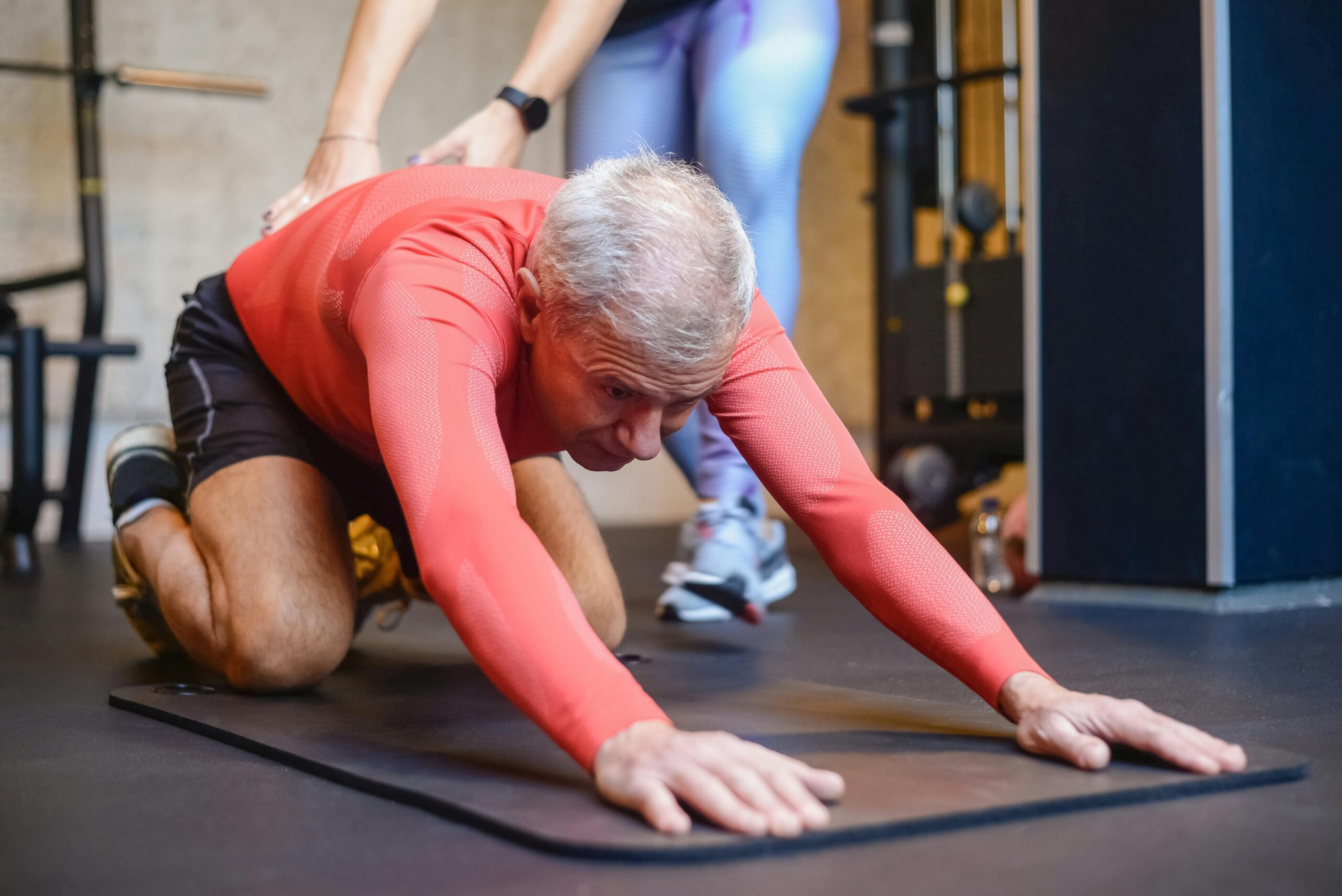
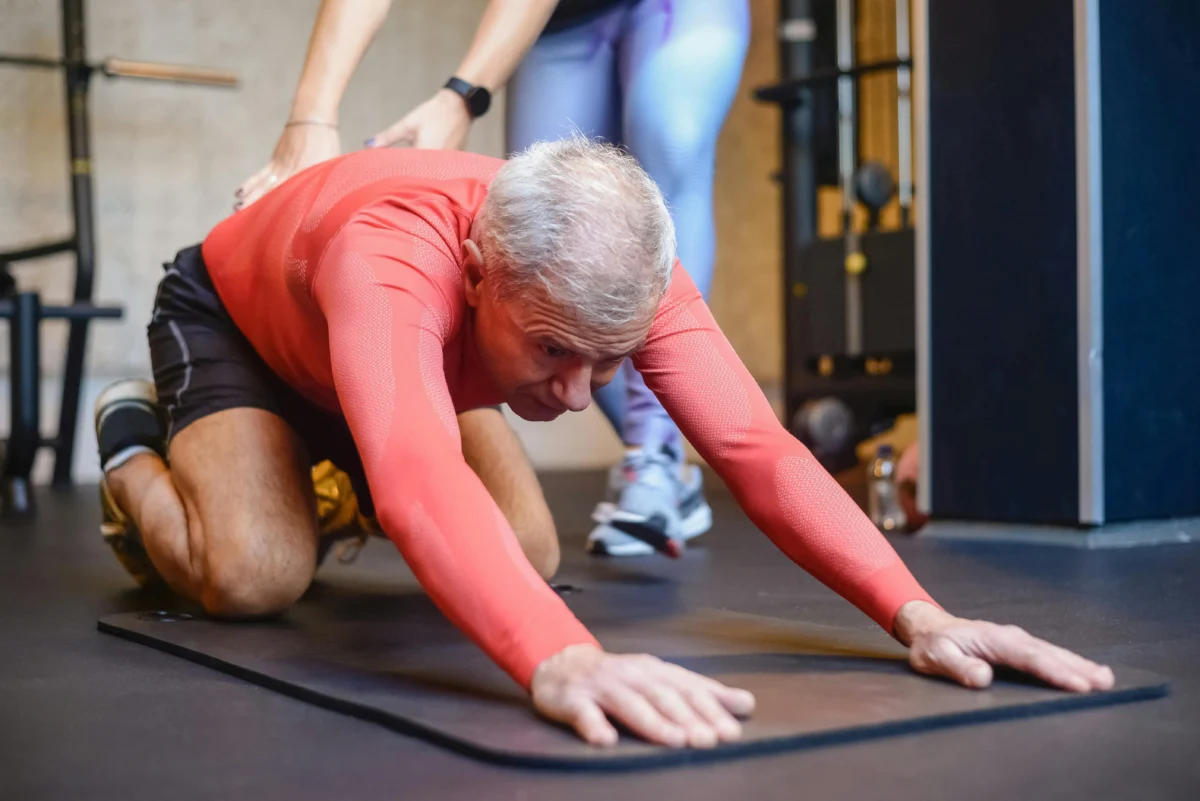
- Child’s Pose: Kneel, sit back on heels, stretch arms forward, hold 20-30 seconds. Targets lower back and hips.
- Hip Flexor Stretch: Lunge forward with one foot, push hips ahead; hold 30 seconds per side. Counters tight hip flexors from prolonged sitting.
- Chest Opener: Clasp hands behind back, lift arms gently; improves posture against forward hunch.
Daily stretching reduces stiffness by 20-30%, per clinical trials. Perform morning and evening when stiffness peaks.
Strengthening Core and Posture Muscles
- Pelvic Tilts: Lie on back, knees bent; tilt pelvis up/down 10-15 reps. Strengthens deep abs supporting the spine.
- Bird-Dog: On all fours, extend opposite arm/leg; hold 5 seconds, 10 reps/side. Builds back stability.
- Wall Squats: Back against wall, slide to 90-degree knees; hold 20-30 seconds. Targets glutes and quads without spinal load.
A Norwegian study showed these reduced BASDAI scores (AS disease index) by enhancing muscle endurance.
Aerobic Activities for Endurance
- Swimming/Water Aerobics: 20-30 minutes, 3-5x/week. Buoyancy reduces gravity’s pull, ideal for inflamed joints.
- Cycling/Stationary Bike: Low resistance, 15-20 minutes. Improves hip mobility and cardio without jarring.
- Brisk Walking: Start with 10 minutes on flat surfaces; progress to inclines. Boosts circulation and mood.
These lower fatigue and uveitis risk, common AS complications.
Sample Weekly Exercise Routine
| Day | Focus | Duration | Sample Activities |
|---|---|---|---|
| Monday | Stretching + Core | 25 min | Pelvic tilts (3×10), child’s pose (3x30s), walk 10 min |
| Tuesday | Aerobic | 30 min | Swimming or cycling |
| Wednesday | Strengthening + Posture | 25 min | Bird-dog (3×10/side), wall squats (3x20s), chest opener |
| Thursday | Full Body Mix | 30 min | Water aerobics or yoga flow |
| Friday | Light Cardio + Stretch | 20 min | Brisk walk + hip flexor stretches |
| Weekend | Active Rest | 15 min | Gentle yoga or breathing exercises |
Adjust for energy; aim for 150 minutes moderate activity weekly per WHO guidelines adapted for AS.
Integrating Digital Tools for Consistency
Tracking progress keeps motivation high. Record exercise videos on your phone for form checks, then use a free online converter like https://fast-convert.net/ to turn them into slow-motion MP4s or GIFs for detailed review. It’s smart for AS patients tweaking postures—upload your clip, convert to analyze alignment without bulky software.
Convert audio logs of pain levels or session notes to text/PDFs for sharing with doctors. In regions like Jordan, where mobile data varies, this site’s quick, no-signup conversions save time for morning routines before stiffness sets in.
Tips for Success and Avoiding Injury
- Warm-Up First: 5 minutes light movement to loosen joints.
- Breathe Deeply: Diaphragmatic breathing reduces tension; inhale nose, exhale mouth.
- Listen to Your Body: Stop if pain sharpens (beyond mild ache). NSAIDs pre-exercise if approved.
- Posture Check: Stand tall against wall daily; prevents kyphosis.
- Group Classes: Pilates or tai chi for AS-specific support.
Hydrate well—dehydration worsens inflammation. Combine with anti-inflammatory diet (omega-3s, turmeric).
Common Challenges and Solutions
Challenge: Morning Stiffness. Solution: Bedside stretches like knee-to-chest before rising; heat pads help.
Challenge: Fatigue. Solution: Short bursts (5-10 min) multiple times daily; nap strategically.
Challenge: Motivation Dip. Solution: Pair with music/podcasts; track improvements in a journal.
A British Journal of Sports Medicine review confirmed adherence yields 40% better outcomes long-term.
Long-Term Benefits and Evidence
After 3-6 months, expect 30-50% pain reduction, better sleep, and preserved lung function (AS can restrict breathing). A 2022 trial in The Lancet Rheumatology showed exercisers had slower radiographic progression vs. controls.
Exercise complements biologics like TNF inhibitors, reducing dosage needs. Mentally, it combats depression, prevalent in 15-20% of AS patients.
Progress Milestones:
- Week 1-2: Less stiffness.
- Month 1: Improved endurance.
- Month 3: Noticeable posture gains.
For Middle Eastern climates, opt morning swims before heat; indoor options year-round.
When to Seek Professional Help
Consult rheumatologists for baseline X-rays/HLA-B27 tests. Physical therapists tailor programs; avoid high-impact like running if advanced AS.
Surgery rare, for severe fusion. Monitor with BASFI scores.
Empowering Your AS Journey
Exercise isn’t just treatment—it’s empowerment. Studies affirm active patients report higher life satisfaction. Start small, stay consistent; reclaim mobility today.