

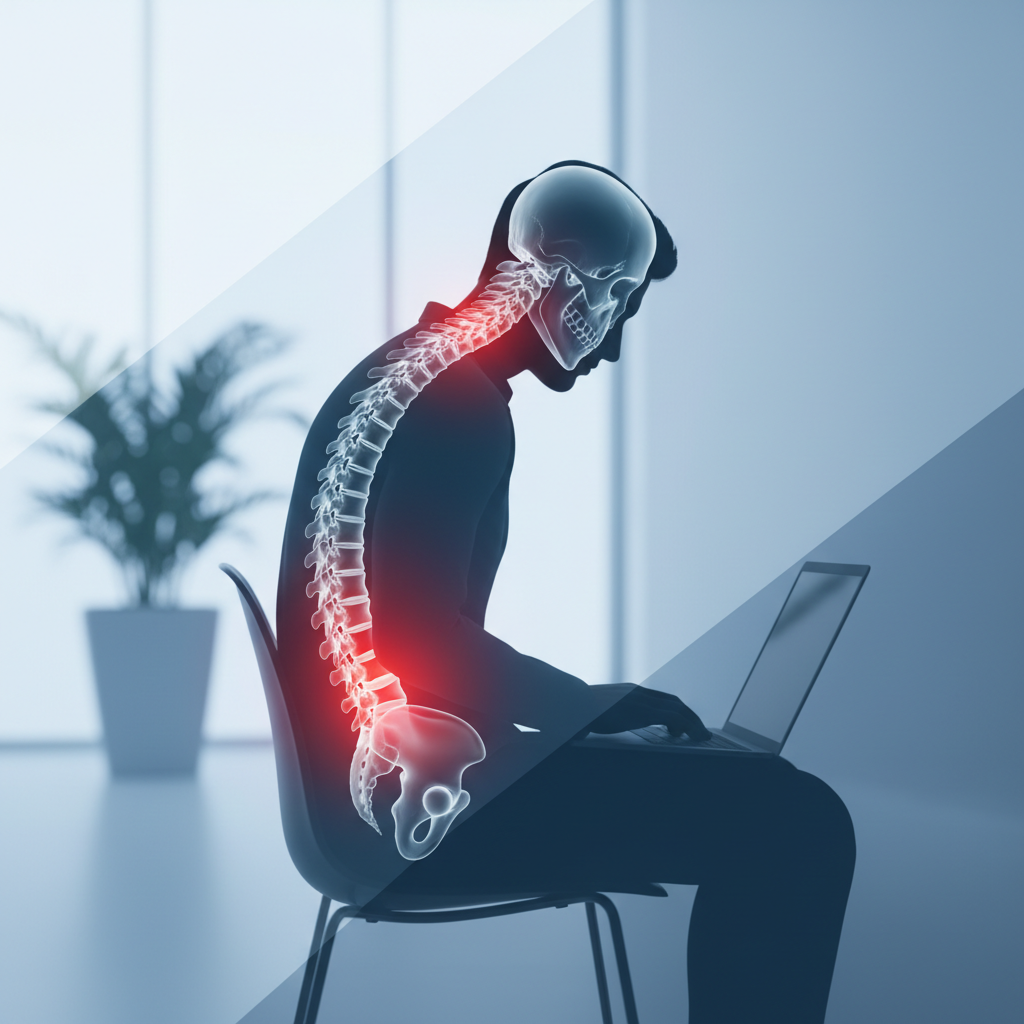
Back pain has become one of the most common health problems in the United States. Millions of Americans experience back discomfort every year, and for many people, it affects daily life, work productivity, and overall well-being.
While back pain can affect people of all ages, it is especially common among adults over 30. Modern lifestyles, long hours of sitting, lack of movement, and daily stress have all contributed to the rising number of back pain cases across the country.
Understanding why back pain happens and how to manage it can help reduce discomfort and prevent long-term problems.
What Is Back Pain?
Back pain refers to discomfort, tension, or stiffness felt anywhere along the spine. It can range from mild aches to sharp or severe pain that limits movement.
Some people experience short-term pain that lasts a few days, while others deal with chronic back pain that continues for weeks or months. The pain may be constant or come and go depending on activity levels and posture.
Common Causes of Back Pain
Back pain often develops gradually due to daily habits rather than a sudden injury. Some of the most common causes include:
Sitting for long periods without movement
Poor posture while working or using electronic devices
Weak core and back muscles
Lifting heavy objects incorrectly
Lack of stretching or physical activity
Stress-related muscle tension
In many cases, multiple factors combine to create ongoing discomfort.
Why Back Pain Is So Common Today
Modern life has changed how people move. Many Americans spend most of their day sitting at desks, driving, or looking down at phones and laptops.
This lack of movement places continuous pressure on the spine and surrounding muscles. Over time, poor posture and limited flexibility can lead to stiffness, pain, and reduced mobility.
In addition, stress plays a major role. Mental stress often causes muscle tension, especially in the neck and lower back, making pain worse.
Lower Back Pain: The Most Frequent Problem
Lower back pain is the most common type of back pain reported in the United States. This area supports much of the body’s weight and is heavily involved in daily movements such as walking, bending, and lifting.
Poor sitting posture, weak abdominal muscles, and improper lifting techniques place extra strain on the lower back, increasing the risk of pain and injury.
Why Back Pain Feels Worse After Age 35
As people age, the spine naturally becomes less flexible. Muscles and joints may take longer to recover after strain, making discomfort more noticeable.
Daily responsibilities also increase with age. Work demands, family obligations, and financial stress can reduce time for physical activity and rest, contributing to muscle tension and pain.
Without proper movement and care, minor discomfort can slowly turn into persistent back pain.
Daily Habits That Make Back Pain Worse
Many common habits increase back pain without people realizing it:
Slouching while sitting or standing
Using laptops or phones at low angles
Sitting for hours without breaks
Sleeping on unsupportive mattresses or pillows
Carrying heavy bags on one shoulder
Over time, these habits place continuous strain on the spine and surrounding muscles.
Simple Ways to Reduce Back Pain
Small lifestyle changes can significantly improve back comfort and mobility.
Regular movement is one of the most effective ways to reduce back pain. Standing up, stretching, and walking for a few minutes every hour helps relieve muscle tension and improve circulation.
Maintaining good posture while sitting and standing reduces unnecessary pressure on the spine. Keeping screens at eye level and using supportive chairs can make a noticeable difference.
Gentle stretching and strengthening exercises also help support the back and improve flexibility.
The Role of Sleep in Back Pain
Sleep quality plays an important role in back health. Poor sleeping positions or unsupportive mattresses can increase pain and stiffness.
Sleeping on the side with a pillow between the knees or on the back with proper support helps maintain spinal alignment during rest.
Getting enough restful sleep allows muscles to recover and reduces overall tension.
Stress and Back Pain Connection
Stress is closely linked to back pain. Emotional stress often causes muscle tightening, especially in the shoulders and lower back.
Chronic stress keeps muscles tense for long periods, increasing discomfort and reducing flexibility. Managing stress through relaxation techniques, regular exercise, and healthy sleep habits can help ease back pain.
When Back Pain Should Not Be Ignored
While most back pain is not dangerous, some symptoms require medical attention.
Seek professional help if back pain:
Lasts longer than a few weeks
Is severe or worsening
Is accompanied by numbness or weakness
Interferes with daily activities
Early evaluation can prevent more serious problems from developing.
Preventing Back Pain Long-Term
Preventing back pain involves maintaining an active lifestyle and paying attention to daily habits.
Regular physical activity, proper posture, stress management, and adequate rest all support long-term spinal health.
Making small adjustments today can help avoid chronic pain in the future.
Final Thoughts
Back pain has become a common part of modern life in America, but it does not have to control daily comfort or mobility.
By understanding its causes and making simple lifestyle changes, many people can reduce discomfort, improve movement, and protect their back health over time.
