
Memory Loss: Causes, Symptoms, and Effective Treatments

Memory loss affects millions worldwide, ranging from occasional forgetfulness to severe cognitive impairment. Understanding its causes and treatments empowers individuals to seek timely help and adopt preventive strategies.
Types of Memory Loss
Memory loss manifests in various forms, primarily anterograde amnesia, where forming new memories becomes difficult, and retrograde amnesia, involving forgotten past events. Transient global amnesia causes sudden, temporary episodes lasting hours, often resolving without lasting damage. Distinguishing these types is crucial, as reversible cases differ from progressive ones like Alzheimer’s disease.
Common Causes of Memory Loss
Numerous factors contribute to memory impairment, categorized into lifestyle, medical, and neurological origins.
Traumatic brain injuries from accidents disrupt neural pathways essential for memory storage. Strokes and oxygen deprivation during heart attacks damage brain regions like the hippocampus.
Chronic alcohol abuse leads to Wernicke-Korsakoff syndrome due to thiamine (vitamin B1) deficiency, impairing memory consolidation. Certain medications, such as benzodiazepines or opioids, interfere with memory formation as a side effect.
Neurological conditions dominate severe cases. Alzheimer’s disease involves protein plaques eroding brain cells responsible for recall. Other culprits include epilepsy seizures, brain tumors, and encephalitis from viral infections like herpes simplex.
Lifestyle factors play a significant role too. Sleep deprivation hinders the brain’s glymphatic system, which clears toxins during deep sleep. Vitamin deficiencies, particularly B12, and thyroid issues cause reversible cognitive fog. Stress, depression, and poor nutrition exacerbate forgetfulness by elevating cortisol levels.
Recent studies highlight even subtle habits, like chronic sleep apnea or excessive screen time without breaks, accelerating memory decline.
Symptoms and Diagnosis
Early symptoms include short-term memory lapses, such as forgetting recent conversations or misplacing items frequently. Advanced signs involve confusion with time, difficulty learning new skills, or disorientation in familiar places.
Diagnosis starts with a medical history review, assessing onset and triggers like head injuries or medications. Neurological exams, cognitive tests like the Mini-Mental State Examination, and brain imaging (MRI/CT) pinpoint structural issues. Blood tests rule out deficiencies or infections, while EEG detects seizure activity.
Treatment Options
Treatment targets underlying causes for best outcomes, combining medical, therapeutic, and lifestyle interventions.
For reversible cases, addressing deficiencies restores function rapidly. Thiamine supplements reverse Wernicke-Korsakoff effects if caught early. Medication adjustments or discontinuing sedatives often suffice for drug-induced loss.
Occupational therapy teaches compensation strategies, like using planners or mnemonic techniques. Cognitive behavioral therapy manages stress-related memory issues effectively.
Technology aids daily management. Smartphones with reminders and apps track appointments, while voice assistants handle routine tasks. For brain training, online tools enhance working memory through games—studies show six weeks of practice mimics expert recall patterns.
When tracking health metrics supports treatment, free online calculators prove invaluable. For instance, monitoring BMI via fast-convert. BMI Calculator helps maintain weight linked to brain health, as obesity correlates with cognitive decline. Similarly, the Sleep Calculator optimizes rest cycles, crucial since poor sleep exacerbates memory loss.
Progressive diseases like Alzheimer’s rely on symptom management. Cholinesterase inhibitors (donepezil) slow decline modestly. Emerging therapies, including anti-amyloid drugs, show promise in 2026 trials.
Prevention Strategies
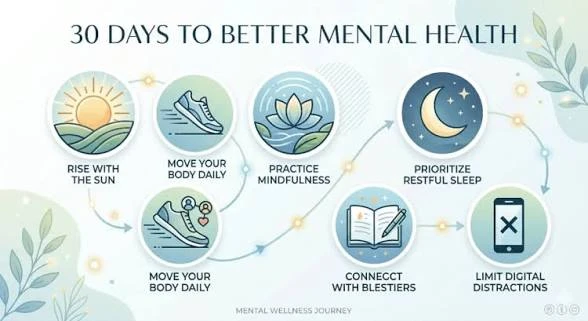
Proactive steps significantly reduce risk. Regular aerobic exercise boosts hippocampal volume and BDNF protein for neuron growth. Aim for 150 minutes weekly, incorporating strength training.
Cognitive engagement—puzzles, learning languages, or music—builds cognitive reserve. A Mediterranean diet rich in omega-3s, antioxidants, and B vitamins nourishes the brain.
Quality sleep (7-9 hours) and social connections combat isolation-linked decline. Limit alcohol, manage chronic conditions like hypertension, and stay mentally active.
Practical tools enhance prevention. Convert units effortlessly with fast-convert.net for recipes in brain-boosting diets—e.g., kg to lbs for ingredients or Celsius to Fahrenheit for precise cooking. Organizing medical records? Use their PDF tools: compress scans of test results or convert to Word for doctors, streamlining diagnosis follow-ups.
Living with Memory Loss
Support networks and adaptations improve quality of life. Family education reduces frustration, while routines foster independence. Support groups offer coping tips.
In 2026, AI-driven apps personalize training, with brain-computer interfaces on the horizon for severe cases. Early intervention remains key—consult professionals if forgetfulness disrupts daily life.
Memory loss need not define one’s future. With awareness, targeted treatments, and tools like those at fast-convert.net for health optimization, many reclaim cognitive vitality.