
Avoiding Shingles: Your Comprehensive Guide to Prevention and Protection
Shingles, also known as herpes zoster, is a painful rash caused by the reactivation of the varicella-zoster virus—the same virus behind chickenpox. While it’s not always preventable, proactive steps can significantly lower your risk, especially as you age or face immune challenges. This guide empowers you with science-backed strategies to sidestep this fiery condition.
Understanding Shingles Basics
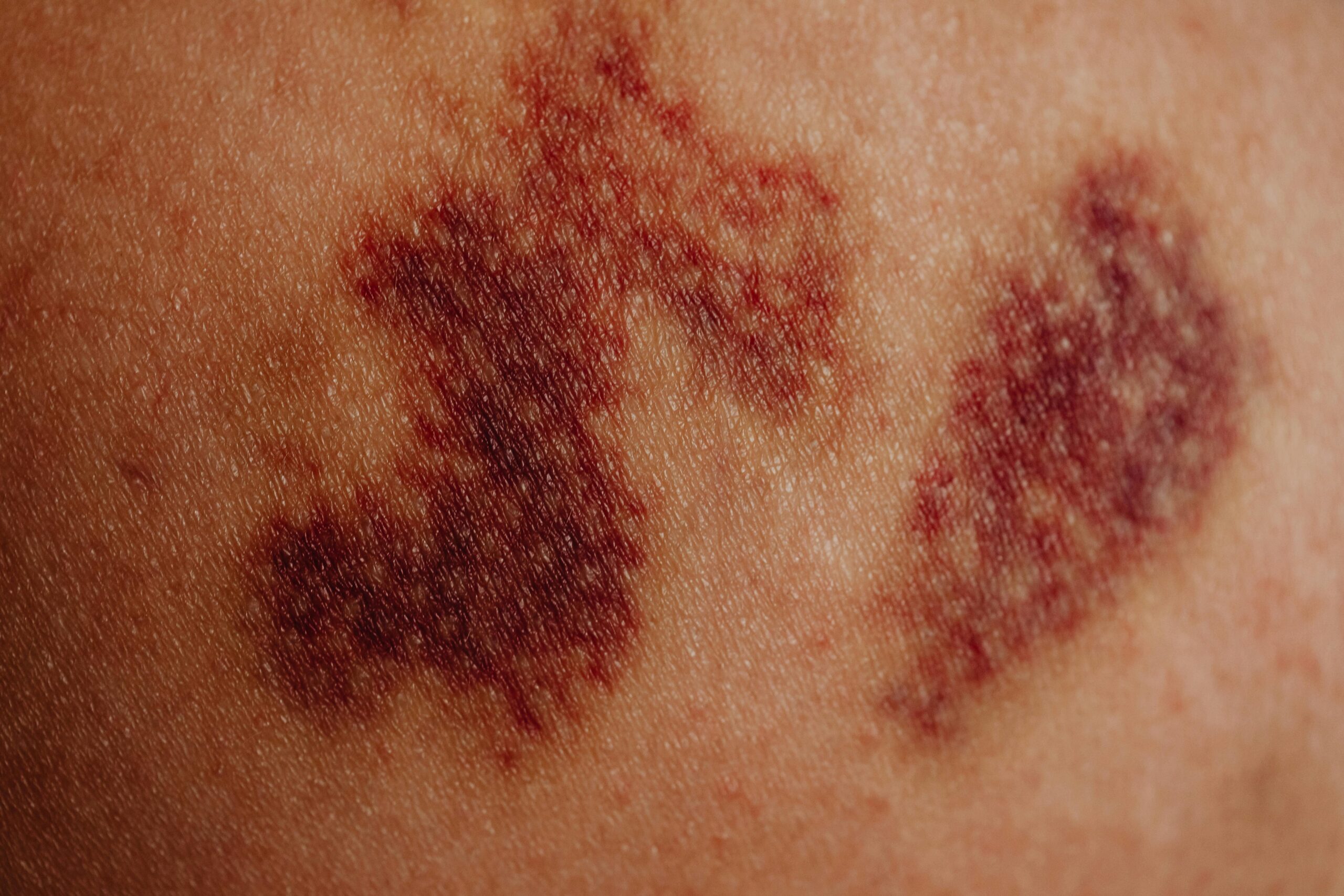
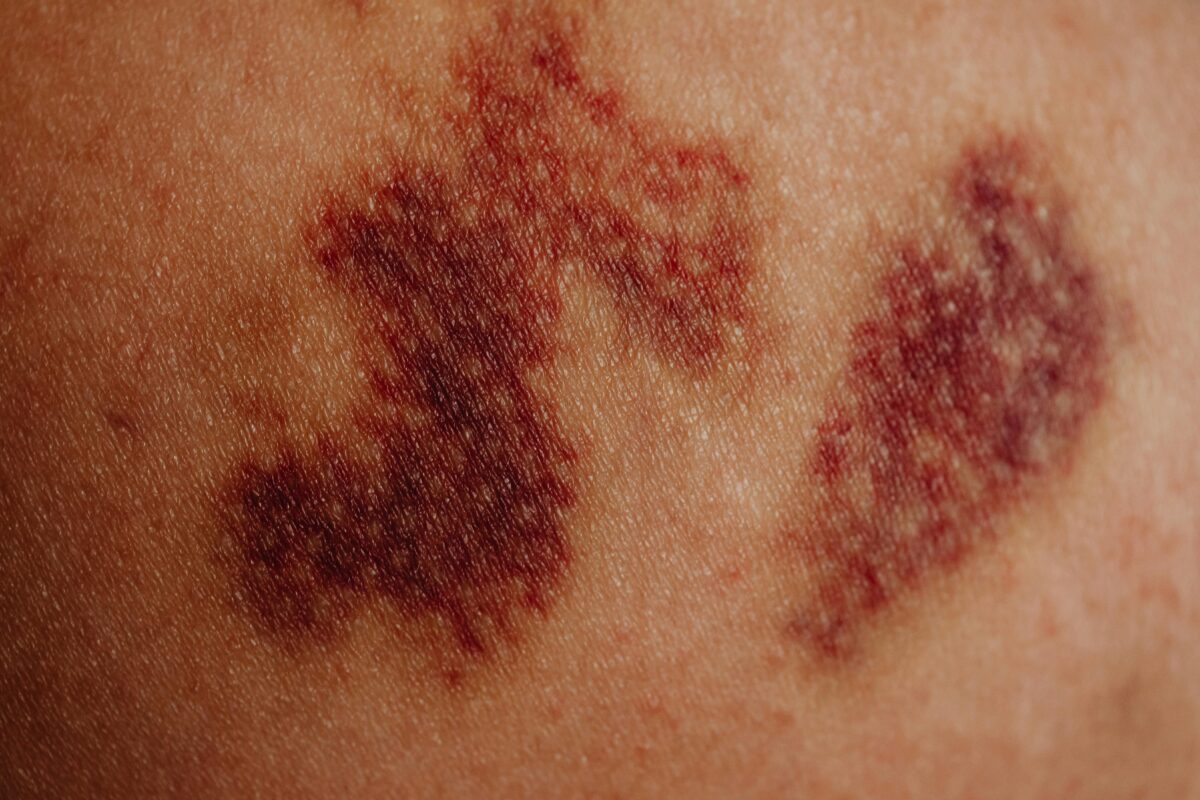
Shingles strikes when the dormant chickenpox virus wakes up in your nerve tissues, triggering a band-like rash often accompanied by burning pain, itching, or tingling. It typically appears on one side of the torso, but can affect the face, eyes, or other areas, leading to complications like postherpetic neuralgia—a lingering nerve pain. Affecting about 1 in 3 people lifetime, it’s more common after age 50 due to natural immune decline.
Anyone who’s had chickenpox harbors the virus lifelong, but not everyone gets shingles. Stress, illness, or medications weakening immunity can trigger outbreaks. Early symptoms mimic flu-like malaise before the telltale blisters erupt, usually resolving in 2-4 weeks but potentially scarring nerves forever.
Who Is at Highest Risk?
Age is the biggest culprit: Risk climbs sharply after 50, with over half of cases in those over 60. Immunocompromised individuals—think cancer patients, HIV-positive people, or transplant recipients—face elevated dangers, as do those under extreme stress. Recent stats show a uptick in younger adults amid global stressors, underscoring the need for vigilance.
Pregnant women, newborns, and chickenpox-naive folks are vulnerable to complications if exposed. Surprisingly, even healthy adults aren’t immune; a single exposure to the virus from an infected blister can spark chickenpox in susceptibles, indirectly fueling future shingles cycles.
Proven Prevention: Get Vaccinated
Vaccination stands as the gold standard for shingles avoidance. The Shingrix vaccine, recommended for adults 50+, boasts over 90% efficacy in preventing outbreaks and neuralgia, even in high-risk groups. Administered in two doses two to six months apart, it outperforms older options like Zostavax.
For immunocompromised adults 19+, Shingrix is a game-changer, slashing incidence dramatically. Consult your doctor—side effects like arm soreness are mild and temporary. Staying ahead with vaccines not only protects you but curbs community spread, as shingles can transmit chickenpox virus via blisters.
Strengthen Your Immune System Daily
A robust immune system keeps the virus at bay. Prioritize sleep—aim for 7-9 hours nightly—to regulate stress hormones that suppress defenses. Nutrient-dense foods rich in vitamins C, E, and zinc fortify nerves: Load up on berries, nuts, spinach, and citrus while dodging excess sugar and arginine-heavy snacks like chocolate or gelatin that may feed viruses.
Regular exercise, like 30 minutes of brisk walking five days weekly, boosts circulation and immunity without overtaxing the body. Probiotics from yogurt or kefir support gut health, linked to 70% of immune function. These habits mimic a firewall, reducing reactivation odds.
Manage Stress to Shut Down Triggers
Chronic stress is a shingles spark plug, depleting immunity via cortisol spikes. Counter it with mindfulness: Daily 10-minute meditation or yoga lowers inflammation and reactivates protective T-cells. Hobbies—reading, gardening, or puzzles—distract from tension, much like mental decluttering.
Deep breathing techniques, such as 4-7-8 (inhale four, hold seven, exhale eight), activate the parasympathetic system for calm. Track stressors in a journal to spot patterns; therapy or apps like Calm amplify results. Less stress means fewer viral wake-up calls.
Hygiene Practices for Infection Control
If around someone with active shingles, hygiene is your shield. Cover rashes with loose, breathable clothing—cotton garb prevents friction and bacterial superinfection. Wash hands rigorously after contact, avoiding shared towels or bedding.
Keep blisters dry and clean to minimize contagion; infected fluid carries live virus to chickenpox-susceptibles. Isolate during the blister phase (days 1-7 post-rash) from high-risk groups: pregnant women, newborns, and the immunocompromised. Digital thermometers or no-touch tools further limit spread.
Nutrition Tailored for Nerve Health
Antiviral diets emphasize lysine-rich foods—yogurt, fish, potatoes—to counter arginine. Lysine’s edge in viral suppression shines in studies, potentially halving outbreak severity. Omega-3s from salmon or flax curb inflammation, soothing nerve pathways prone to zoster assaults.
Hydration flushes toxins; aim for 8-10 glasses daily. Antioxidants in green tea or turmeric (curcumin) neutralize free radicals that weaken nerves. A sample day: Oatmeal breakfast with berries, salmon salad lunch, veggie stir-fry dinner. This regimen fortifies from within.
Lifestyle Tweaks for Long-Term Defense
Ditch smoking—it slashes immunity and heightens zoster risk by 50%. Limit alcohol to moderate levels, as excess hampers liver detox vital for viral control. Sun protection prevents immune dips from burns, indirectly aiding prevention.
Annual check-ups catch vulnerabilities early; bloodwork flags low immunity. Community matters: Educate family on risks, fostering collective vigilance. These subtle shifts compound into formidable barriers.
When to Seek Medical Help
Not all tingles spell shingles, but prompt action matters. See a doctor at rash onset, fever, or eye involvement—antivirals like acyclovir work best within 72 hours. Persistent pain post-rash signals neuralgia; early intervention prevents chronicity.
High-risk folks should stock antivirals preemptively. Telehealth speeds diagnosis, especially in remote areas.
Integrating Tech for Health Tracking
Modern tools enhance prevention. Apps like MyTherapy remind vaccine doses and log symptoms, while wearables monitor stress via heart rate variability. Converting health data—say, tracking vitamin intake or sleep patterns—into actionable insights keeps you proactive.
For instance, platforms that swiftly handle file conversions let you digitize nutrition logs or scan vaccine cards efficiently, ensuring no detail slips. Visit https://fast-convert.net/ for seamless PDF-to-Excel tools to organize wellness trackers without hassle—ideal for maintaining detailed immune-boosting meal plans or symptom journals digitally. Such efficiency frees mental bandwidth for core habits.
Wearables syncing with apps visualize trends, alerting to immunity dips. Pair this with online communities for shared tips, amplifying knowledge.
Myths Busted: Shingles Facts
Myth: Shingles is contagious like chickenpox. Reality: Blisters spread chickenpox virus, not shingles directly—but prevention overlaps.
Myth: Only seniors worry. Truth: Younger immune-stressed adults are rising cases.
Myth: Once healed, you’re immune. Nope—recurrences hit 1-6%, demanding sustained vigilance.
Building a Shingles-Free Future
Armed with vaccines, habits, and awareness, dodging shingles becomes routine. Start small: Book Shingrix today, tweak your plate tomorrow. Your nerves—and future self—will thank you.