
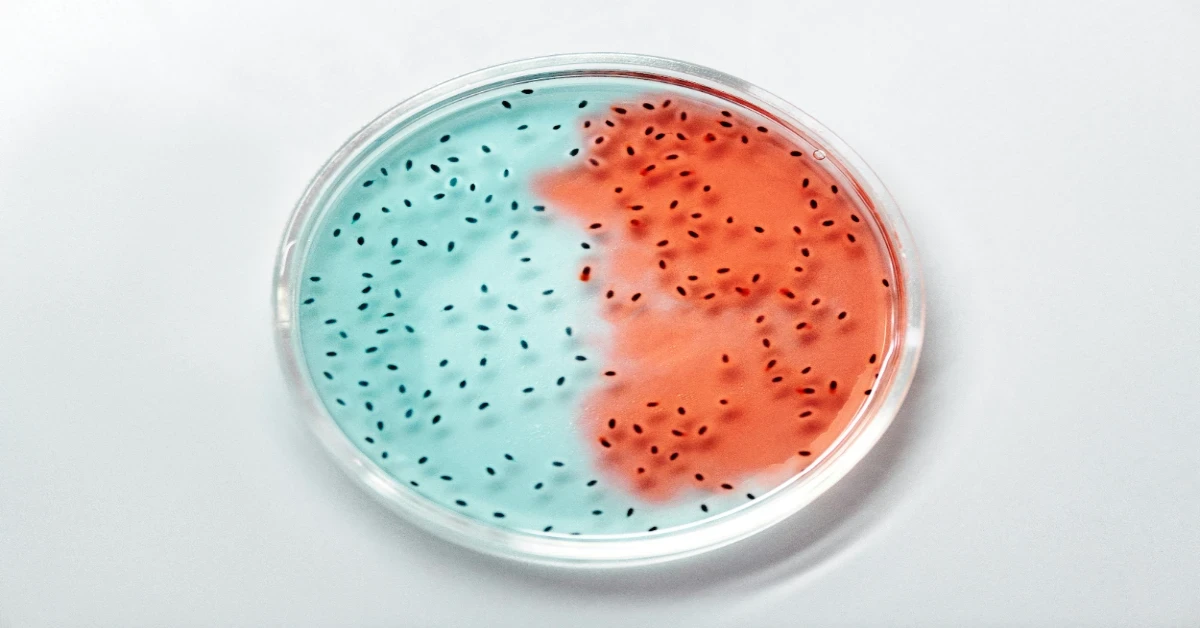
Types of Bacteria in the Human Body: Good, Bad, and Everywhere In Between
The human body hosts trillions of bacteria, forming complex ecosystems known as the microbiome that influence health, digestion, and immunity. These microscopic organisms live in every nook—from the gut to the skin—and play vital roles in keeping us alive and well.
The Human Microbiome Explained
Your body is home to more bacterial cells than human cells, outnumbering us about 10 to 1. The microbiome refers to the collective community of bacteria, fungi, viruses, and other microbes residing in and on the body. Scientists estimate 500 to 1,000 bacterial species in the gut alone, mostly from phyla like Bacillota (Firmicutes) and Bacteroidota.
These bacteria colonize us from birth, shaped by factors like diet, antibiotics, and lifestyle. A balanced microbiome supports nutrient absorption, immune training, and pathogen defense. Disruptions, called dysbiosis, link to issues like obesity, diabetes, and inflammation.
Bacteria in the Gut: The Digestive Powerhouse
The gut, especially the large intestine, boasts the densest bacterial population—up to 100 trillion microbes per gram of content. Dominant players include Bacteroides, Prevotella, Ruminococcus, and Firmicutes like Faecalibacterium. Anaerobic species such as Bifidobacterium, Lactobacillus, and Clostridium thrive in the low-oxygen colon, competing with harmful invaders for space and nutrients.
Beneficial gut bacteria break down fibers into short-chain fatty acids, fueling colon cells and reducing inflammation. They synthesize vitamins K and B, aiding blood clotting and energy metabolism. Imbalances here contribute to irritable bowel syndrome or infections when pathogens like Clostridium difficile overgrow.
Skin Bacteria: Your First Line of Defense
Skin hosts around 1,000 bacterial species across 19 phyla, with Actinomycetota (52%), Bacillota (24%), and Pseudomonadota (16%) leading. Staphylococcus epidermidis and Corynebacterium dominate moist areas like armpits, while drier spots like forearms favor Proteobacteria.
These residents produce antimicrobial peptides, blocking pathogens and maintaining pH balance. Staphylococcus aureus lives harmlessly on many skins but turns opportunistic in wounds. Good skin bacteria prevent acne and eczema by crowding out troublemakers.
Oral Bacteria: Guardians of the Mouth
The mouth ranks second in microbial density, with over 800 species in saliva and 1,000 in plaque. Firmicutes (Streptococcus, 20% of total), Actinobacteria, Bacteroidetes, Fusobacteria, Proteobacteria, and Spirochetes prevail. Streptococcus produces bacteriocins, natural antibiotics inhibiting bugs like Porphyromonas gingivalis.
Healthy oral flora aids digestion by starting food breakdown and bolsters immunity. Poor hygiene lets pathogens cause cavities, gum disease, or halitosis.
Bacteria in Other Body Sites
Vaginal Microbiome
Lactobacillus species (crispatus, gasseri, iners) dominate, producing lactic acid for a pH of 3.8-4.5 to fend off infections. Community state types (CST I-IV) vary; low-lactobacilli CST IV links to bacterial vaginosis via Gardnerella.
Urinary and Respiratory Tracts
Urobacteria like Lactobacillus protect the bladder; disruptions invite UTIs. Upper respiratory Streptococcus and Haemophilus guard against pneumonia.
Nose and Eyes
Nasal Staphylococcus balances immunity; eye microbes prevent conjunctivitis.
Good Bacteria: Unsung Heroes
Beneficial bacteria, or probiotics, fortify health. Lactobacillus and Bifidobacterium in yogurt ease lactose digestion and boost immunity. They crowd out pathogens, produce vitamins, and train immune cells to distinguish friend from foe.
Prebiotics like fiber feed these good guys, promoting diversity. Fermented foods—kimchi, sauerkraut—deliver live cultures for gut harmony.
Harmful Bacteria: When Balance Breaks
Pathogens cause disease only when overpowering good bacteria. Streptococcus pyogenes sparks strep throat or flesh-eating infections. Salmonella and E. coli trigger food poisoning; Mycobacterium tuberculosis leads tuberculosis.
Klebsiella pneumoniae, normally intestinal, causes pneumonia in hospitals. Opportunistic bugs exploit weakened immunity, causing UTIs, skin boils, or sepsis.
Factors Influencing Bacterial Balance
Diet shapes the microbiome: fiber boosts Bacteroides; high-fat diets favor Firmicutes. Antibiotics wipe out good and bad, risking C. difficile colitis. Age, stress, exercise, and birth method (vaginal vs. C-section) alter composition.
Maintaining a Healthy Bacterial Ecosystem
Eat diverse plants for prebiotics—aim for 30 types weekly. Include probiotics via kefir or kombucha. Limit sugars feeding pathogens; exercise diversifies flora.
Stress management aids, as cortisol disrupts balance. Track health metrics like BMI with free online tools, such as the BMI Calculator on FastConvert, to monitor fitness impacting microbiome health.
Minimize unnecessary antibiotics; consider fecal transplants for severe dysbiosis.
Emerging Research and Future Implications
Studies link microbiome to mental health via the gut-brain axis—diverse flora eases anxiety. Personalized probiotics and fecal analysis promise tailored therapies.
Genetics influence bacterial preferences, blending nature and nurture. As research advances, microbiome modulation could prevent allergies, autoimmunity, and cancer.
In summary, bacteria in the body are allies when balanced, foes when not. Nurture them through diet and lifestyle for optimal health.