
Scientific article: Prostate health in men
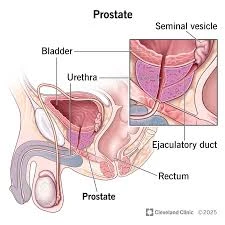
Title: Prostate Disorders and Their Impact on Male HealthThe prostate gland is a walnut‑sized organ located between the bladder and the urethra, playing a key role in urinary control and male fertility. It contributes to seminal fluid by secreting substances that nourish and protect sperm, and it also helps regulate the flow of urine from the bladder.
In aging men, benign prostatic hyperplasia (BPH) is one of the most common prostate disorders, characterized by non‑cancerous enlargement of the gland. This enlargement can compress the urethra, leading to urinary symptoms such as weak stream, frequent urination, nocturia, and a sensation of incomplete bladder emptying, which significantly affect quality of life.
In addition to BPH, prostatitis—an inflammatory condition of the prostate—can cause pelvic pain, burning during urination, and sexual dysfunction. Chronic prostatitis may also impair semen quality and contribute to male infertility, emphasizing the importance of early diagnosis and appropriate antimicrobial or anti‑inflammatory treatment.
Modern urological practice combines medical therapy, minimally invasive procedures, and, when necessary, surgical intervention to manage prostate‑related conditions. Lifestyle modifications, including weight control, smoking cessation, and regular physical activity, are also recommended to reduce the risk of complications and support long‑term prostate health.