
Scientific article: Immunity and hernia in men
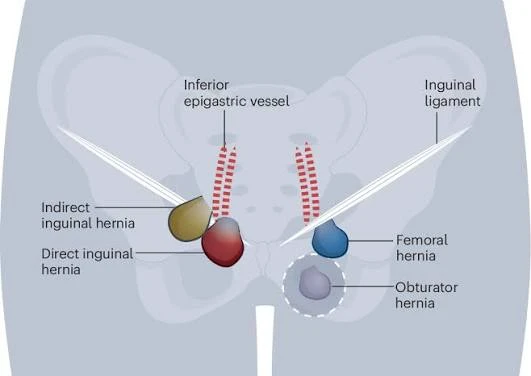
Title: The Interplay Between Immunity and Hernia Development in Adult MalesThe immune system plays a critical role in maintaining the structural integrity of connective tissues, including the abdominal wall where hernias commonly develop. Chronic inflammation, metabolic disorders, and immune dysregulation can weaken collagen fibers and fascial layers, making the abdominal wall more susceptible to herniation under increased intra‑abdominal pressure. Hernias, particularly inguinal hernias, are among the most frequent surgical conditions in men, often occurring in older adults where age‑related decline in immune function and muscle mass further increases tissue fragility. Repeated mechanical stress, such as heavy lifting, chronic coughing, or straining during bowel movements, can trigger protrusion of abdominal contents through a weakened fascial defect.
In recent studies, low‑grade systemic inflammation and impaired immune surveillance have been associated with delayed wound healing and higher rates of recurrent hernia after surgical repair. This suggests that optimizing immune status through proper nutrition, infection control, and management of chronic diseases may improve surgical outcomes and reduce postoperative complications.
From a clinical perspective, physicians should consider the patient’s overall health, immune status, and risk factors when managing hernias in men. Early diagnosis, lifestyle modification, and timely surgical intervention can prevent progression to more serious complications such as incarceration or strangulation of the herniated contents.