High Blood Pressure and Pregnancy: What Women Need to Know
High blood pressure during pregnancy, known as pregnancy‑induced hypertension or gestational hypertension, is a serious health issue that can affect both mother and baby. Some women also enter pregnancy with chronic hypertension, which must be managed carefully. In this article, Khaled explains the different types of high blood pressure in pregnancy, warning signs to watch for, and how proper blood pressure control can protect both maternal and fetal health—using strong keywords like high blood pressure in pregnancy, gestational hypertension, preeclampsia, blood pressure monitoring, pregnancy‑safe antihypertensive drugs, and maternal‑fetal health.Types of high blood pressure in pregnancyThere are several ways high blood pressure can appear during pregnancy:Chronic hypertension: Blood pressure that is high before pregnancy or before the 20th week of gestation.Gestational hypertension: High blood pressure that starts after 20 weeks and usually goes away after delivery.Preeclampsia: A more dangerous condition where high blood pressure is combined with signs of damage to organs, often the liver and kidneys, and sometimes protein in the urine.Eclampsia and HELLP syndrome: Rare but life‑threatening complications that can develop from severe preeclampsia.Each type needs different monitoring and treatment, which is why prenatal check‑ups are so important. Why high blood pressure is dangerous in pregnancyUncontrolled high blood pressure in pregnancy can lead to:Reduced blood flow to the placenta, which may slow the baby’s growth or cause low birth weight.Premature delivery and early birth complications.
Placental abruption, where the placenta separates from the uterus, causing bleeding and danger to both mother and baby.Preeclampsia–related organ damage, including seizures (eclampsia) and liver or kidney problems.For the mother, chronic or pregnancy‑induced hypertension also increases long‑term risk of heart disease and stroke, even after childbirth.
Warning signs to watch forWomen should call a doctor or go to the emergency room immediately if they notice:Sudden, severe headache that does not go away.Vision changes such as blurriness, flashing lights, or dark spots.
Severe upper abdominal pain or pain under the ribs.Sudden swelling in the face, hands, or feet.Shortness of breath, chest pain, or feeling very unwell.These symptoms may signal preeclampsia or a hypertensive crisis, both of which require urgent medical care.
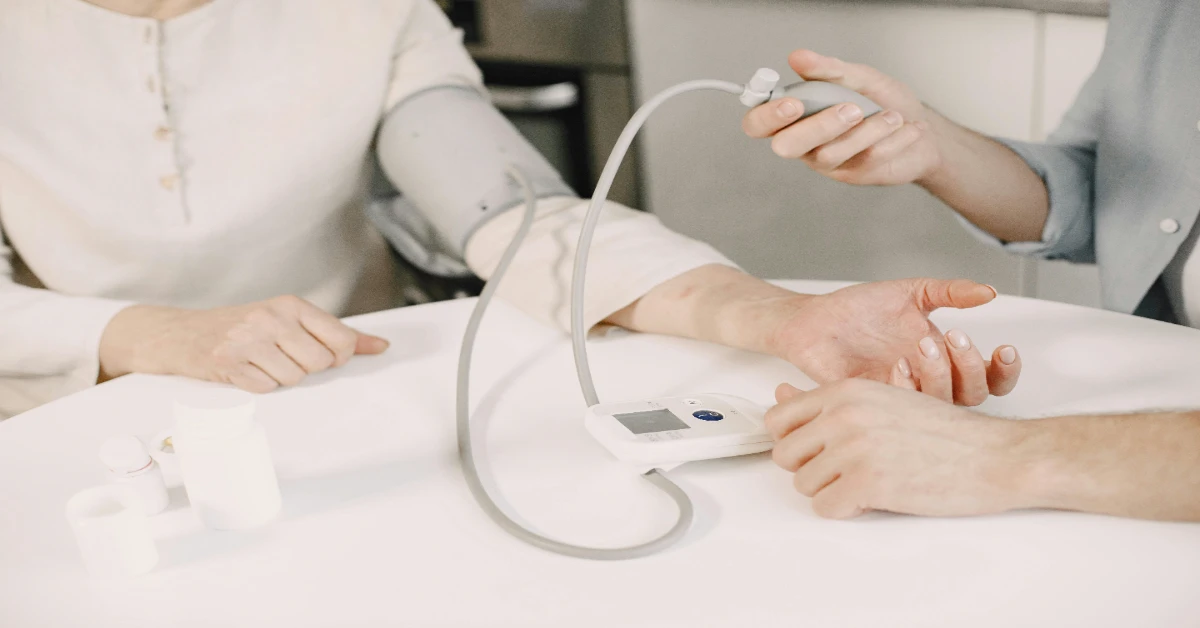
How doctors manage blood pressure during pregnancyDoctors usually follow a careful plan to protect both mother and baby:Close monitoring of blood pressure at every prenatal visit and sometimes at home.Keeping a blood pressure log to track trends and detect problems early.Prescribing pregnancy‑safe antihypertensive medications when needed, such as methyldopa, labetalol, or nifedipine, while avoiding certain drugs that are not safe in pregnancy.Watching for protein in the urine, liver enzymes, and blood counts, which help detect preeclampsia.If blood pressure becomes very high or the mother or baby is in danger, doctors may decide to deliver the baby early, even before full term.
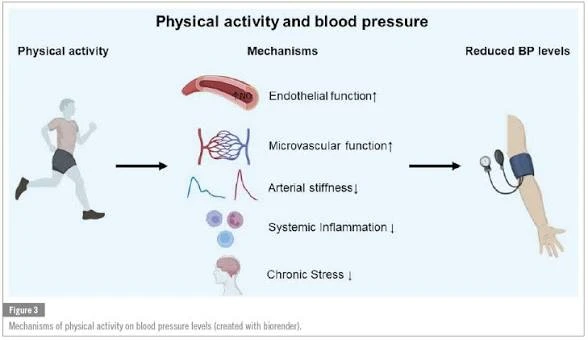
Daily habits that help control blood pressureEven during pregnancy, healthy lifestyle choices make a difference:Eating a balanced diet rich in fruits, vegetables, whole grains, and lean proteins, while limiting salt and processed foods.Staying moderately active (like walking) if your doctor approves.Avoiding smoking, alcohol, and excessive caffeine.Getting enough rest and trying to manage stress through relaxation techniques.These habits can help avoid or reduce the severity of gestational hypertension and support safer pregnancy outcomes.
Long‑term health after pregnancyWomen who had high blood pressure in pregnancy—especially preeclampsia—have a higher risk of hypertension and heart disease later in life. To protect long‑term health, it is important to:Continue regular blood pressure checks after delivery.Maintain a healthy weight, stay active, and follow a heart‑healthy diet.Inform future doctors about any history of pregnancy‑related hypertension when planning future pregnancies or discussing cardiovascular risk.Careful follow‑up after pregnancy can reduce the chance of future complications and support a healthier life.
Strong keywords to attract readersTo make this article more visible and credible to search engines, you can naturally include SEO‑friendly phrases such as:high blood pressure during pregnancy symptomsgestational hypertension vs preeclampsiasafe blood pressure medication in pregnancyhow to monitor blood pressure at home during pregnancypreeclampsia warning signshypertension and pregnancy outcomesmaternal‑fetal health and high blood pressureThese keywords help position your website as a well‑informed, reader‑focused, and medically aware source for pregnant women and their families.Disclaimer: Consult your doctor before making major lifestyle changes.