How to Measure Blood Pressure Correctly at Home
High blood pressure, or hypertension, is often called “the silent killer” because many people feel normal while their readings are already in the dangerous range. Measuring blood pressure at home is one of the best ways to understand your true numbers and support better blood pressure control. In this article, Khaled explains how to choose the right blood pressure monitor, what steps to take for accurate readings, and how to track your data to share with your doctor—using strong keywords like how to measure blood pressure at home, blood pressure monitor, home blood pressure monitoring, hypertension control, white‑coat hypertension, and blood pressure log.
Why home blood pressure monitoring matters
Clinic readings can be affected by stress, anxiety, or “white‑coat hypertension,” where blood pressure rises only in the doctor’s office. At the same time, some people have masked hypertension, where readings look normal in the clinic but are high at home.
Regular home blood pressure monitoring helps:
Detect true patterns, not just one‑time spikes.
Test if lifestyle changes or antihypertensive medications are working.
Reduce unnecessary worries and improve communication with your doctor.
Many professional guidelines now recommend home monitoring for patients with known or suspected hypertension.
Choosing the right blood pressure monitor.
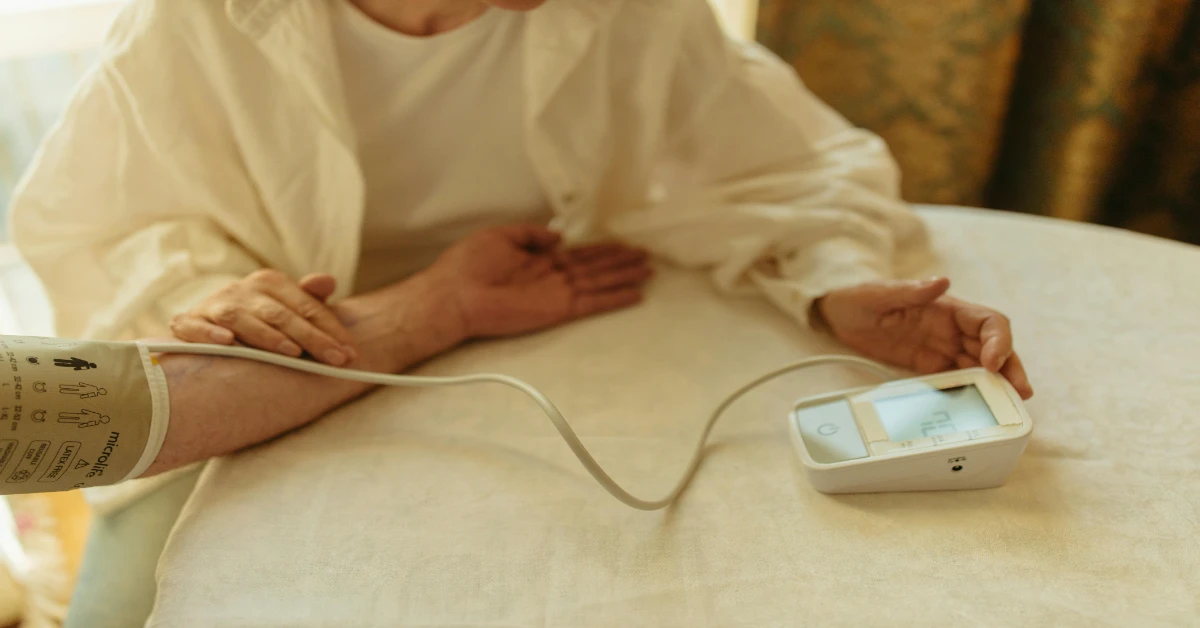
For home use, the most common and reliable type is the upper‑arm automatic blood pressure monitor.
Look for:
A validated device that carries a seal from a recognized organization (like British or European validation marks).
A cuff that fits your arm size properly; too small or too large a cuff can give wrong readings.
A clear digital display and, if possible, memory storage or Bluetooth to connect to a phone app.
Wrist monitors are less accurate and more sensitive to position, so they are usually not recommended as the main device unless your doctor suggests otherwise.
Steps to get an accurate reading
To avoid mistakes, follow these steps every time you measure:
Rest quietly for 5 minutes before measuring.
Sit in a chair with your back supported, feet flat on the floor, and arm at heart level.
Wrap the cuff snugly around bare skin, not over clothing.
Avoid talking, smoking, drinking coffee, or exercising for at least 30 minutes beforehand.
Take two or three readings, 1–2 minutes apart, and average them.
If you notice a big difference between arms, always use the arm with the higher reading for future checks.
When and how often to checkThe exact schedule depends on your doctor’s advice, but common patterns include:Once or twice daily (for example, morning and evening) for a week when starting treatment.Repeat the same schedule before follow‑up visits.Occasional checks for people with normal readings who just want to stay aware.Keeping a blood pressure log (on paper or in an app) helps you and your doctor see trends and adjust treatment if needed.
Understanding your numbersNormal blood pressure is usually below 120/80 mmHg. Readings around 130/80 mmHg or higher on repeated checks may indicate hypertension. If your home readings are:Suddenly very high (for example, above 180/110 mmHg)Rising with symptoms like chest pain, headache, or confusionyou should seek urgent medical care. At the same time, extremely low readings with dizziness should also be reviewed by a doctor.
How home monitoring helps long‑term controlHome monitoring turns hypertension management from a one‑time clinic visit into a daily partnership between you and your healthcare team. It helps:Adjust doses of antihypertensive medications more precisely.Motivate lifestyle changes when you see your numbers improving.Reduce unnecessary treatment if readings are normal at home but high in the clinic.Patients who use their home blood pressure monitor correctly often feel more in control of their health and less anxious about their numbers.
Strong keywords to attract readersTo make this article more visible and professional‑sounding to search engines, you can naturally include SEO‑friendly phrases such as:
how to measure blood pressure at home correctlybest blood pressure monitor for home usehome blood pressure monitoring guidelineswhite‑coat hypertension and home readingsblood pressure log templatehypertension management at homehigh blood pressure warning signs at homeThese keywords help position your website as a trusted, expert‑style, and reader‑friendly resource for people managing high blood pressure.Disclaimer: Consult your doctor before making major lifestyle changes.