
Diabetes and Its Treatment: A Scientific Overview
Diabetes mellitus is a chronic metabolic disorder characterized by persistent hyperglycemia resulting from defects in insulin secretion, insulin action, or both. It is one of the most common noncommunicable diseases worldwide and, if poorly controlled, can lead to serious complications affecting the eyes, kidneys, nerves, heart, and blood vessels.
Types of DiabetesThe main forms of diabetes are type 1 diabetes, type 2 diabetes, and gestational diabetes .
Type 1 diabetes is an autoimmune disease in which the immune system destroys pancreatic beta cells, leading to absolute insulin deficiency.
Type 2 diabetes is more common and is usually associated with insulin resistance and a relative decline in insulin secretion over time. Gestational diabetes develops during pregnancy and may increase the risk of complications for both mother and baby.
PathophysiologyThe core problem in diabetes is impaired glucose regulation. In type 1 diabetes, the body produces little or no insulin because beta cells are damaged by autoimmunity.
In type 2 diabetes, tissues become less responsive to insulin, while the pancreas may eventually fail to compensate with enough insulin production.
This leads to elevated blood glucose levels and long-term metabolic stress on multiple organs.
Clinical ConsequencesUncontrolled diabetes can cause both acute and chronic complications. Acute complications include severe hyperglycemia and, in type 1 diabetes, diabetic ketoacidosis. Chronic complications include diabetic retinopathy, nephropathy, neuropathy, cardiovascular disease, and peripheral vascular disease.
Because of these risks, early diagnosis and sustained treatment are essential.
Treatment ApproachesDiabetes treatment depends on the type of diabetes, glucose levels, age, body weight, comorbidities, and overall risk profile.
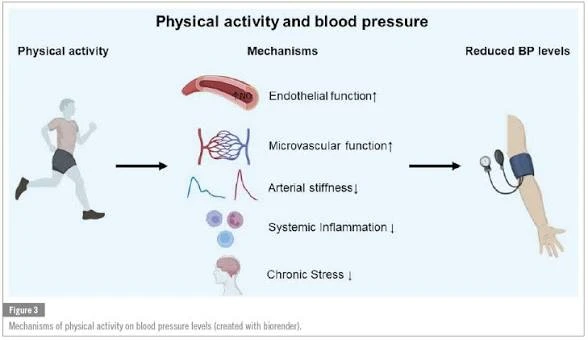
For all patients, lifestyle modification remains a foundation of care.
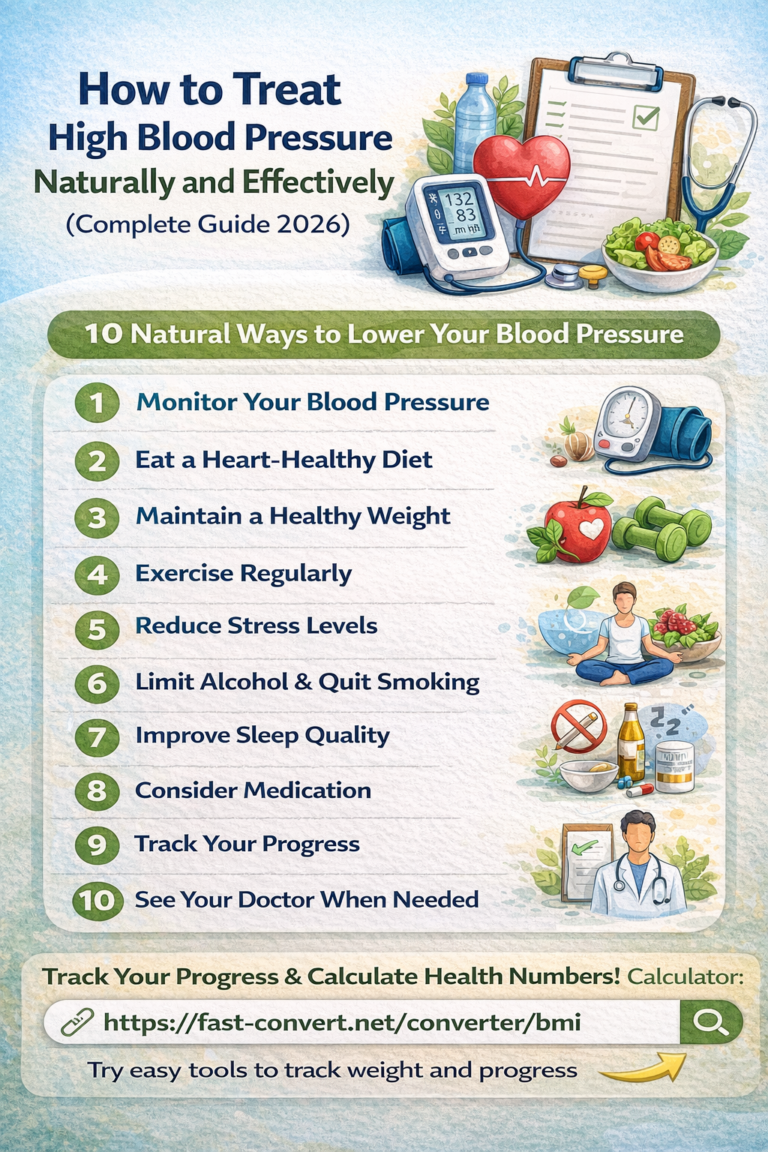
Lifestyle ManagementMedical nutrition therapy, physical activity, weight control, and patient education are central components of diabetes management.
A balanced diet and regular exercise can improve insulin sensitivity and reduce blood glucose levels.
In type 2 diabetes, weight loss may significantly improve glycemic control and reduce cardiovascular risk .
Insulin TherapyInsulin is essential for people with type 1 diabetes and is also used in many patients with type 2 diabetes and gestational diabetes when blood glucose cannot be controlled adequately by other means.
Different insulin regimens are available, including short-acting, long-acting, and combination strategies.
Insulin remains the most effective treatment for replacing the hormone that the body lacks or cannot use properly.
Oral and Injectable MedicationsFor type 2 diabetes, metformin is widely used as a first-line medication because it reduces hepatic glucose production and improves insulin sensitivity.
Other drug classes include sulfonylureas, sodium-glucose cotransporter-2 inhibitors, DPP-4 inhibitors, and GLP-1 receptor agonists.
Newer agents such as SGLT2 inhibitors and GLP-1 receptor agonists may offer additional benefits, including weight reduction and improved cardiovascular outcomes. Emerging TherapiesResearch continues to explore advanced strategies such as stem cell therapy, gene therapy, immunotherapy, and beta-cell replacement for diabetes treatment.
These approaches aim to restore insulin production or prevent immune-mediated destruction of pancreatic cells, especially in type 1 diabetes.
Although promising, many of these therapies are still under investigation and are not yet standard clinical care.
ConclusionDiabetes is a complex chronic disease that requires long-term management and individualized treatment .
Effective care combines lifestyle changes, medication, and regular monitoring to reduce complications and improve quality of life.
Ongoing research is expanding treatment options and may lead to more precise and durable therapies in the future .