
Diabetes: Early Warning Signs You Should Never Ignore
Understanding Diabetes: A Brief Overview
Diabetes is a chronic condition that affects how your body processes glucose, the sugar in your blood. There are two main types: Type 1 diabetes, which typically develops in children and young adults, and Type 2 diabetes, which is more common in adults and often linked to lifestyle factors. If left unmanaged, diabetes can lead to severe health complications, making it crucial to recognize the early warning signs.
Why Recognizing Early Signs Matters
Early detection of diabetes can significantly impact your management of the disease and your overall health. By catching the warning signs early, you can make essential lifestyle changes or seek treatment that can delay or even prevent the onset of diabetes.
Common Early Warning Signs of Diabetes
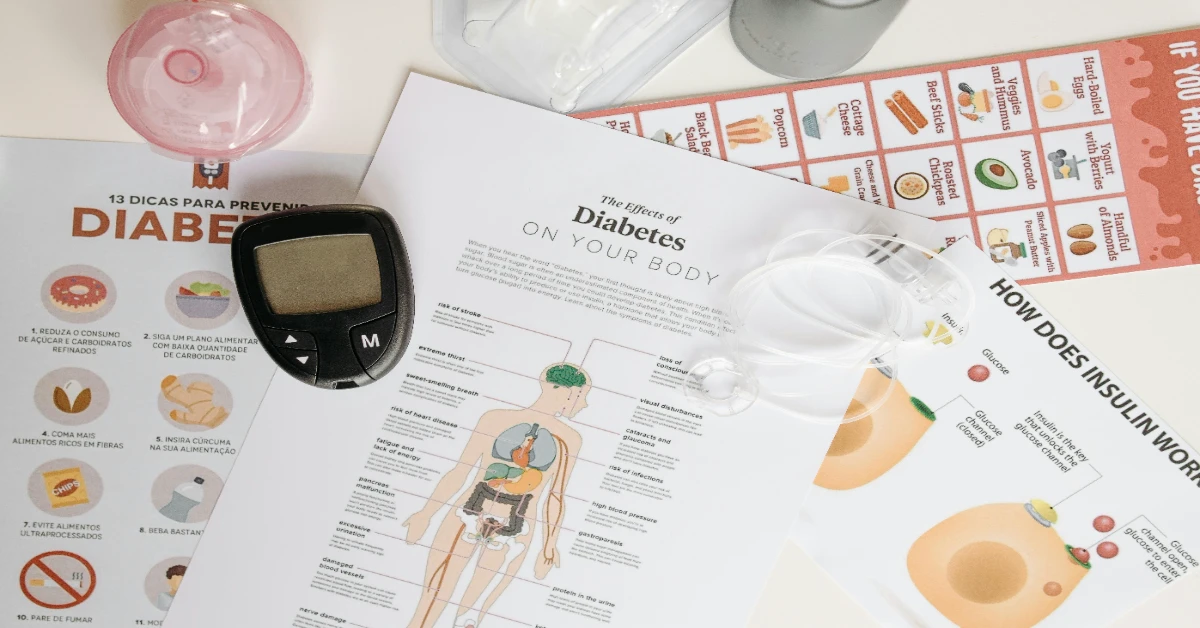
Understanding the symptoms of diabetes can help you take action before the condition worsens. Here are key early warning signs you should never ignore:
1. Increased Thirst and Frequent Urination
One of the first signs of diabetes is excessive thirst (polydipsia) and frequent urination (polyuria). When your blood sugar levels are high, your kidneys work harder to filter and absorb the excess sugar, leading to increased urination and, subsequently, dehydration.
2. Unexplained Weight Loss
Despite eating normally, individuals with diabetes may experience sudden weight loss. This occurs when the body starts breaking down fat and muscle for energy due to a lack of insulin or how the body processes it. If you’re shedding pounds without trying, it may be time to consult a healthcare professional.
3. Extreme Fatigue
Feeling unusually tired or fatigued can also be a sign of diabetes. When your body cannot effectively use glucose for energy, you may feel drained and lethargic, making it difficult to perform daily tasks.
4. Blurred Vision
High blood sugar levels can affect your eyesight. When fluid is pulled from your lenses, it can cause blurred vision. If you notice changes in your vision, especially if they are accompanied by other symptoms, seek medical advice.
5. Slow-Healing Sores or Frequent Infections
High glucose levels can impair your body’s natural healing process. You may notice that cuts, bruises, or sores take longer to heal. Additionally, frequent infections, particularly of the skin or gums, can also indicate diabetes.
6. Dark Patches on the Skin
A condition known as acanthosis nigricans can occur in people with insulin resistance, a precursor to Type 2 diabetes. This condition presents as dark, velvety patches of skin, often found in areas like the neck, armpits, or groin.
7. Tingling or Numbness in Hands and Feet
Diabetes can damage nerves, leading to a condition called diabetic neuropathy. Symptoms often include tingling, numbness, or pain in the hands and feet. If you experience these symptoms, it’s essential to seek medical attention.
When to See a Doctor
If you notice one or more of these early warning signs, don’t hesitate to schedule a consultation with your healthcare provider. Early diagnosis and management can help you live a healthier life and prevent complications.
How to Prevent Diabetes
While not all forms of diabetes are preventable, especially Type 1, you can reduce your risk of developing Type 2 diabetes with the following lifestyle changes:
- Maintain a Healthy Weight: Aim for a balanced diet and regular physical activity.
- Stay Active: Engage in at least 150 minutes of moderate aerobic exercise weekly.
- Eat a Balanced Diet: Focus on whole grains, fruits, vegetables, lean proteins, and healthy fats.
- Regular Check-Ups: Get your blood sugar levels checked regularly, especially if you have risk factors.
Conclusion
Diabetes can be a silent threat, but recognizing the early warning signs is the first step toward prevention and management. If you experience any of the symptoms discussed, please consult a healthcare professional. Remember, early intervention can lead to a healthier, longer life. Stay informed, stay healthy!