
Magnesium Benefits: What the Science Actually Says in 2026
Magnesium has become one of the most recommended supplements online, credited with everything from better sleep to reduced anxiety to fewer muscle cramps. Some of that reputation is well-earned. Some of it has outpaced the evidence. Here’s an honest look at what magnesium actually does, and where the research still falls short of the hype.
Why Magnesium Matters in the First Place
Magnesium is involved in more than 300 enzymatic reactions in the body, playing a role in muscle and nerve function, blood sugar regulation, blood pressure, and the production of protein, bone, and DNA. It’s genuinely one of the more essential minerals for basic bodily function — which is part of why deficiency symptoms can feel so wide-ranging when they show up.
Despite its importance, a meaningful portion of adults don’t consistently reach recommended intake levels through diet alone, largely due to modern eating patterns that lean heavily on processed foods, which tend to be low in magnesium compared to whole grains, leafy greens, nuts, and legumes.
Where the Evidence Is Strong
Muscle cramps and function.
Magnesium’s role in muscle contraction and relaxation is well documented, and supplementation has shown benefit specifically for people with a documented deficiency. The evidence is much weaker for otherwise healthy, non-deficient individuals using it purely for athletic performance.
Migraine prevention.
Several clinical studies support magnesium supplementation as a preventive measure for people who experience frequent migraines, with some headache specialists recommending it as a first-line, low-risk option before turning to prescription preventives.
Blood pressure and cardiovascular health.
Diets higher in magnesium are consistently associated with modestly lower blood pressure, and supplementation has shown small but measurable effects in people with existing hypertension.
Where the Evidence Is Weaker Than the Hype Suggests
Sleep.
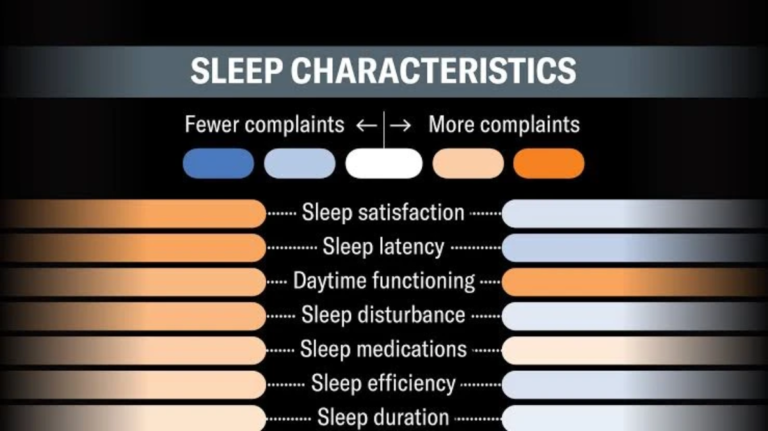
Magnesium is widely marketed as a sleep aid, and there’s a plausible biological mechanism — it plays a role in regulating neurotransmitters involved in sleep regulation. But the clinical evidence specifically for magnesium improving sleep quality in people without a diagnosed deficiency is limited and mixed, with many studies showing modest or inconsistent effects.
Anxiety and mood.
Some small studies suggest a possible link between magnesium levels and mood regulation, but the research base is thin, and the effect sizes reported so far don’t support the strong claims often seen in social media wellness content.
General energy and fatigue.
Beyond correcting an actual deficiency, there’s little solid evidence that magnesium supplementation meaningfully boosts energy levels in people who already have adequate intake.
Types of Magnesium (And Why It’s Confusing)
Part of the hype cycle around magnesium comes from the sheer number of forms available, each marketed for a slightly different purpose:
Magnesium glycinate —
often marketed for sleep and relaxation, generally well tolerated with less digestive upset than other forms
Magnesium citrate —
commonly used and well absorbed, though higher doses can have a laxative effect
Magnesium oxide —
cheaper and widely available, but has notably lower absorption than other forms
Magnesium malate —
sometimes marketed for muscle pain and energy, though evidence specific to this form is limited
The differences matter more for tolerability and absorption than for dramatically different health outcomes — much of the specific-form marketing outpaces what head-to-head research actually shows.
Who Should Actually Consider Supplementing
People most likely to benefit from magnesium supplementation include those with a diagnosed or likely deficiency, certain older adults, people with digestive conditions that impair absorption, and those taking medications known to deplete magnesium levels. For people already eating a varied diet rich in leafy greens, nuts, seeds, and whole grains, the case for supplementation is considerably weaker.
Bottom Line
Magnesium is a genuinely important mineral with solid evidence behind specific uses — migraine prevention, cramps tied to real deficiency, and modest blood pressure support. Its reputation as a cure-all for sleep, anxiety, and fatigue outpaces what the research currently shows. Before starting any supplement, it’s worth talking to a healthcare provider, particularly if you take other medications or have an existing health condition.Disclaimer:
This article is for informational purposes only and is not intended as medical advice. Always consult a qualified healthcare provider before starting any new supplement, especially if you are pregnant, nursing, or taking other medications.