Red Blood Cells: Structure, Function, and What Your Results Mean
Introduction
Every second, your body produces millions of tiny cells that carry the very oxygen you breathe to every tissue and organ. Red blood cells, also called erythrocytes, are the most abundant cells in your blood and arguably the hardest-working. Understanding what they do, what their levels mean, and how to keep them healthy is essential knowledge for everyone.
What Are Red Blood Cells?
Red blood cells are microscopic, round, disc-shaped cells — similar to a doughnut but without the hole in the center. This unique shape helps them squeeze through even the smallest blood vessels and carry oxygen efficiently. They contain hemoglobin — an iron-rich protein that binds to oxygen and gives blood its bright red color.
They are produced in your bone marrow — the soft tissue inside certain bones. Under normal conditions, your body creates about 2 million new red blood cells every second, and each one lives for approximately 120 days before being broken down and recycled.
Primary Functions of Red Blood Cells
🫁 Oxygen Transport
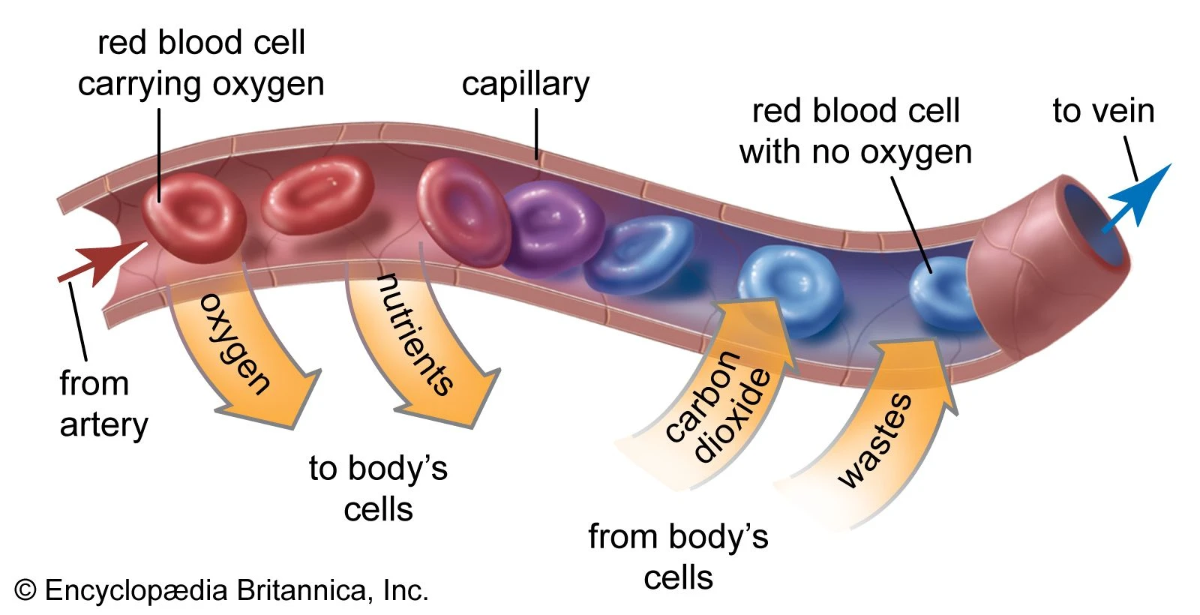
The most important job: delivering oxygen from your lungs to every cell in your body. Cells need oxygen to produce energy and function properly. Without enough red blood cells, your tissues literally starve for oxygen.
💨 Carbon Dioxide Removal
On their return trip, they pick up carbon dioxide — a waste product — from your cells and carry it back to your lungs to be exhaled when you breathe out.
🌡️ Regulating Blood pH
Red blood cells help maintain the proper chemical balance of your blood, keeping it from becoming too acidic or too alkaline.
Normal Red Blood Cell Count Ranges
These are general reference ranges. Always check the specific reference values on your own lab report, as they may vary slightly:
Group Normal Range (cells per microliter)Men 4.7 – 6.1 millionWomen 4.2 – 5.4 millionChildren 4.0 – 5.5 million
⬇️ Low Red Blood Cell Count — Anemia
When your red blood cell count falls below the normal range, the condition is commonly called anemia. It means your blood isn’t carrying enough oxygen to your body’s tissues.
Common Symptoms:
– Persistent fatigue and weakness-
-Pale skin or gums-
-Shortness of breath — especially during physical activity-
-Dizziness or lightheadedness-
-Cold hands and feet- Rapid heartbeat
– Rapid heartbeat
Common Causes:
– Iron deficiency — the most common cause worldwide; not enough iron to make hemoglobin
– Vitamin B12 or folate deficiency — these vitamins are essential for cell production
– Chronic blood loss — from heavy menstruation, ulcers, or other sources
– Bone marrow issues — where production is impaired
– Increased destruction — conditions like sickle cell anemia or thalassemia
⬆️ High Red Blood Cell Count — Polycythemia
Less common but also important: when your body produces too many red blood cells. This thickens your blood and slows circulation.
Common Symptoms:
– Headaches and dizziness
-Flushed or reddened skin
-Blurred vision
-Itching — especially after a warm bath
-High blood pressure
Common Causes:
- Dehydration — the most common and temporary cause; fluids lost but cells remain concentrated
- Smoking — reduces oxygen delivery, triggering overproduction
- Lung or heart disease — the body tries to compensate for low oxygen
- Living at high altitude — where oxygen levels are naturally lower
- Polycythemia vera — a rare bone marrow disorder
Hemoglobin and Hematocrit — Key Related Terms
When you get a blood test, you’ll almost always see these two measurements alongside your red blood cell count:
Hemoglobin (Hb)
- The iron-rich protein that actually carries oxygen
- Low hemoglobin = low oxygen delivery = anemia
- Normal: ~13.5–17.5 g/dL for men; ~12.0–15.5 g/dL for w
Hematocrit
– The percentage of your blood volume made up of red blood cells
-Helps determine whether low or high results are due to cell count or fluid levels in your blood
How to Support Healthy Red Blood Cell Production
Your diet and lifestyle directly impact how well your body makes these essential cells:
Iron — The Building Block
– Red meat, liver, poultry, fish — heme iron, most easily absorbed- Spinach, lentils, beans, fortified cereals — plant-based iron-
Important: Pair plant iron with vitamin C (citrus, bell peppers) to boost absorption. Avoid drinking tea or coffee with meals, as tannins and caffeine block iron absorption.
Vitamin B12 –
Found in meat, eggs, dairy, and fortified plant milks- Essential for making healthy new cells
Vegetarians and vegans should consider supplementation
Folate (Vitamin B9)
- Leafy greens, broccoli, citrus fruits, beans, and avocados
- Critical for cell division and preventing birth defects
Stay Hydrated
- Water is essential for healthy blood volume
- Dehydration falsely elevates your red blood cell count in tests
to Consult a Healthcare Provider
Many people have slightly abnormal results at some point — it doesn’t always mean illness. However, seek medical advice if you notice:
- Symptoms that persist or worsen over time
- Significant changes in your energy levels or exercise tolerance
- Unexplained bruising, bleeding, or weight loss
- Results far outside the reference range
Your doctor will look at your complete blood count as a whole, not just one number, before making any diagnosis.
Final Thoughts
Red blood cells are the oxygen delivery system that powers every moment of your life — from thinking to breathing to moving. Keeping them healthy comes down to simple, consistent habits: nutrient-rich food, proper hydration, adequate sleep, and regular check-ups. Your blood tells a story — understanding what it’s saying helps you take control of your health.
Disclaimer:
This article is for educational purposes only and does not constitute medical advice. Always consult a qualified healthcare professional for interpretation of your lab results and medical decisions.
Useful Links:
🔗 https://tech.nashs.online
🔗 https://fast-convert.net